
Starter Guides

Mini-Toolkits for Improving Adolescent-Centered Care
Our Starter Guides are mini-toolkits that offer concrete, actionable steps to improve adolescent care. Browse our library of free Starter Guides below.
Looking for customized support to make your health center more adolescent-centered? We offer technical assistance to providers across the United States. Contact us today for more information!
Starter Guide Library

Adolescent Risk Screening
Conversations about risk-taking behaviors can sometimes be difficult for health care professionals to navigate. This Starter Guide includes strategies and best practices for assessing risk-taking behaviors with adolescent patients.

Adolescent Well Exam
Parents/caregivers and adolescents may not see the value in adolescnet well-visits, and adolescents typically won’t make these appointments themselves or come in independently for a check-up. Learn more about increasing adolescent and young adult (AYA) well-visits at your health center.

Chlamydia Screening
Chlamydia screening is not always offered to asymptomatic youth and may not be offered outside sexual health visits. Review strategies and best-practices for increasing chlamydia screening rates in this Starter Guide.

Adolescent Vaccinations and Human Papillomavirus (HPV)
It can be challenging to keep adolescent and young adult (AYA) patients up to date on vaccines. This Starter Guide includes tips on increasing AYA vaccination rates at your health center.

Integrated Behavioral Health in a School-Based Health Center
Integrating behavioral health services into a medical center’s structure provides an effective approach to caring for people with substance use disorders and mental health concerns. This Starter Guide introduces an integrated approach that can allow patients to receive behavioral health care with fewer barriers.

Primary Care Provider (PCP) and School-based Health Center (SBHC) Partnerships for an Expanded Medical Home
Developing or strengthening a partnership between a primary care provider (PCP) and a school-based health center (SBHC) can improve adolescents’ access to health services while decreasing fragmentation and redundancy, leading to better health outcomes.

Strategies for Providing Youth-Friendly Services
Youth-serving organizations must take young people's unique needs and concerns seriously and implement changes to make their organizations more youth-friendly. This Starter Guide provides ways your organization’s policies, practices, and environment can become more youth-friendly.

Collecting Patient Satisfaction Surveys From Adolescents
Patient satisfaction surveys can offer insight into a patient’s experience accessing care at your health center. This Starter Guide covers why it is important to routinely collect feedback from young people to ensure your health center is providing patient-centered care to adolescents and how to do so effectively.
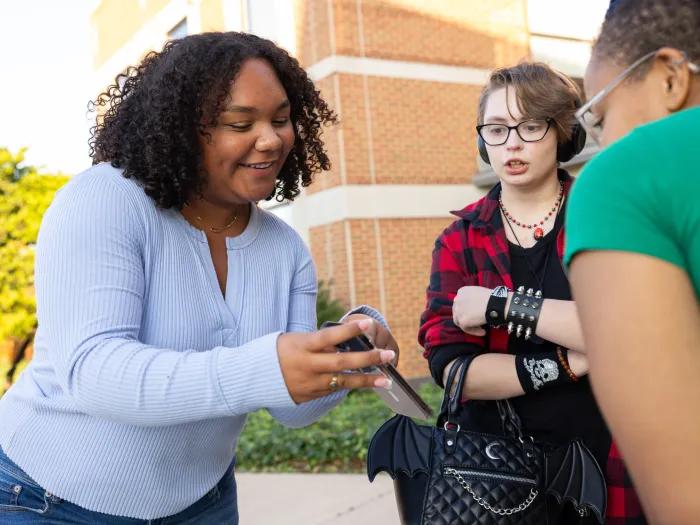
Engaging with Youth on Social Media
Social media and other online platforms (such as an up-to-date website) can improve health care outcomes for patients by providing them with health messages or identifying locations where they can receive youth-friendly services. Explore best practices and strategies in this Starter Guide.

Creating Successful Youth Partnerships in Presentations
Intentionally partnering with a diverse community of youth to ensure their experiences are centered in your work is vital to meeting the health care needs of young people. This Starter Guide outlines some ways to practice the motto “nothing about us, without us.”

LGBTQIA2S+ Youth-Friendly Services
LGBTQIA2S+ (Lesbian, Gay, Bisexual, Transgender, Queer or Questioning) patients are more likely to have had negative experiences with health care systems, affecting their likelihood of seeking services. Learn how to implement best practices to deliver LGBTQIA2S+ centered care and improve patient experiences.

School and School-Based Health Center (SBHC) Collaboration
Creating and maintaining positive relationships between your School-Based Health Center (SBHC) and school can be challenging. Learn more about improving School and SBHC relationships with this Starter Guide.

Youth-Friendly Websites and Apps
There is a lot of information online about health, and each young person has different needs and values. A resource that is perfect for someone at age 13 might not be so when they are 15 or 19. This Starter Guide includes websites and apps geared toward youth to help them find the health information that’s right for them.

Adolescent Mental Health in Primary Care
Having a trusted adult to talk with about serious problems can reduce the occurrence of mental health concerns and suicidality in young people. Medical providers have a unique opportunity to support young people, help identify signs of mental health concerns early and connect youth to life-saving treatment and resources.
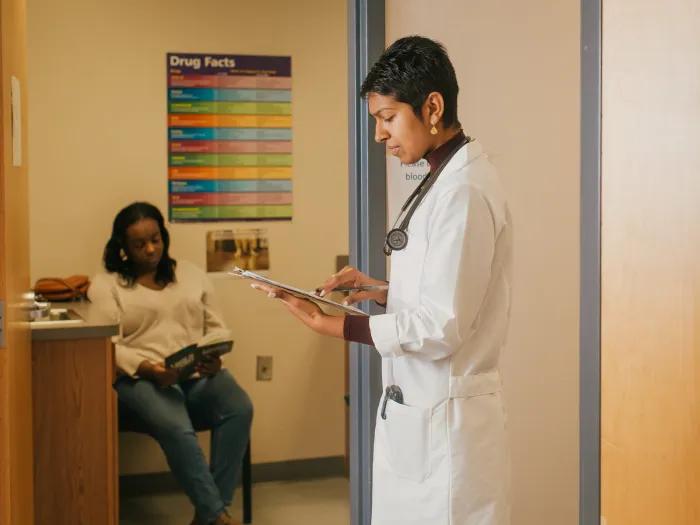
Best Practices for Addressing Adolescent Opioid Use
Because opioid use is less common among adolescents compared to older age groups, providers may underestimate its prevalence, resulting in missed opportunities for prevention, screening, and treatment.

Trauma-Informed Care for Adolescents in Primary Care
Unfortunately, experiencing or being exposed to trauma is a common occurrence among adolescents. It is important that primary care settings are equipped to meet the needs of adolescents who are impacted by trauma.
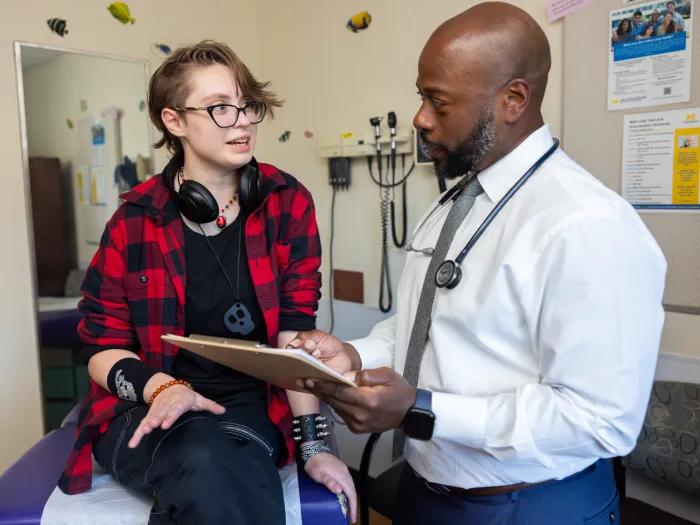
Youth-Friendly Referral System
Develop and implement a youth-friendly referral system to direct adolescents to the services and community resources they need.
We Can Help!
Looking for customized support to make your health center more adolescent-centered? We offer technical assistance to providers across the United States.
