
Kelly Malcom
Lead Research Communicator
Malcom is a lead research communicator for Michigan Medicine and research communications strategist for the U-M Medical School, with more than 20 years of experience in strategic communications, marketing, and health and science writing. She covers the basic science departments, pulmonary and critical care medicine, infectious disease, pathology and anesthesiology. Contact: [email protected]


Health Lab
How to Prepare for COVID-19
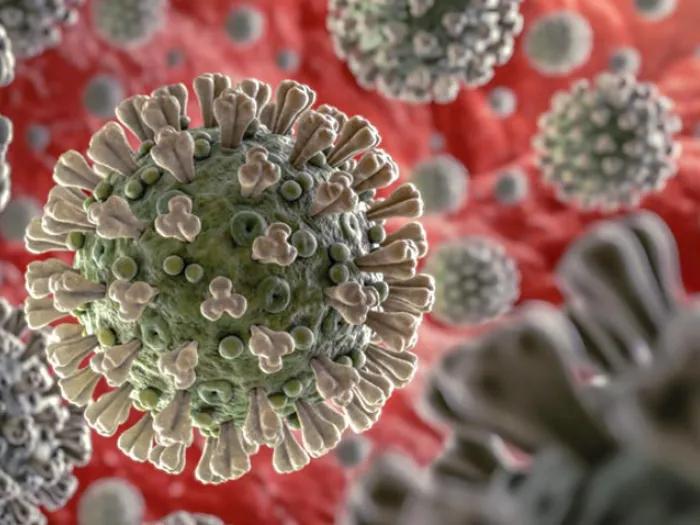
A lot of uncertainty still surrounds the evolving coronavirus outbreak. A Michigan Medicine expert offers nine practical things you can do to prepare yourself in the event that COVID-19 comes to your community.
Health Lab
Updated Information on COVID-19: What Can You Do to Protect Against Coronavirus
The spread of COVID-19 is an evolving situation. Learn what you can do to protect against coronavirus.

Health Lab
Approach Brings Pain Relief Without Opioids
Learning to manage chronic pain without prescription painkillers is a priority for many in the wake of the opioid crisis. A new approach to pain relief is helping hundreds manage their pain without pills.

Health Lab
New Therapy Stops Seizures in Mouse Model of Rare Childhood Epilepsy
Researchers have made a genetic breakthrough in mice that could lead to new, revolutionary treatment options for SCN8A-related encephalopathy seizure disorder in babies.
Health Lab
Abnormal Bone Formation After Trauma Explained and Reversed in Mice
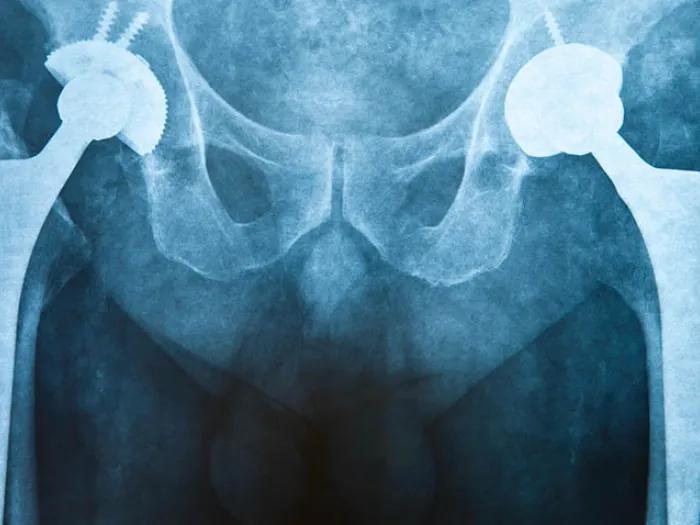
Heterotopic ossification (HO) is a form of abnormal healing typified by bone forming within muscle or soft tissue as the body heals from injury or surgery. Historically, there has been no treatment for HO, but new research suggests that could change.

Health Lab
Back Pain Procedure Leads to Opioid Use for Some
Filling an opioid prescription after lumbar radiofrequency ablation is a risky move.
Health Lab
Innate Immune Activation Behind Asthma Attacks from Common Cold
Most asthma attacks in children are caused by viruses like the common cold. Michigan researchers get closer to explaining why.
Health Lab
Lung Bacteria Predicts Outcomes in ICU
Findings point to new clinical tool to assess--and perhaps treat—patients.

Health Lab
The 2019 Novel Coronavirus: Should You Be Worried?
As the recent coronavirus outbreak, COVID-19, continues to develop, Michigan Medicine experts share what we know so far, and provide helpful context and facts for this evolving situation.

Health Lab
Antiviral Compound Offers Hope Against Deadly Flu
A new study in mice finds an antiviral compound modeled after a banana protein is effective against several deadly viruses, including flu and coronaviruses.

Medicine at Michigan
$20M from the Maxine and Stuart Frankel Foundation
Gift will establish the Frankel Innovation Initiative to accelerate the development of life-saving therapies

Health Lab
A Replacement for Exercise?
Michigan Medicine researchers recently found that Sestrin, a naturally occurring protein in the body, mimicked the benefits of exercise in flies and mice.
Health Lab
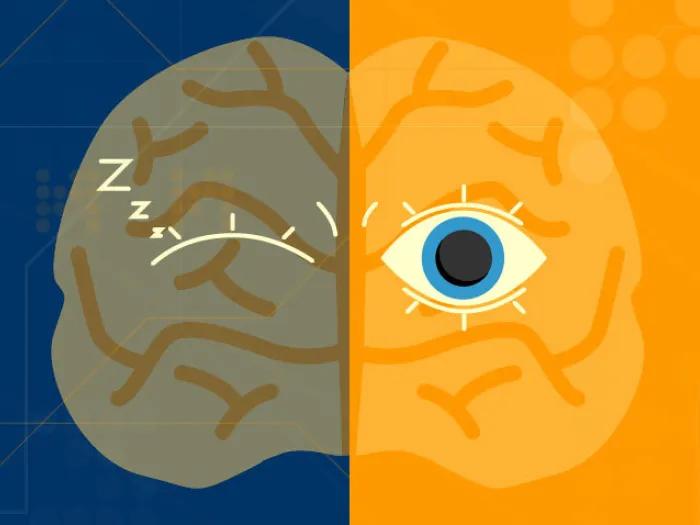
How to Tell If a Brain Is Awake
Are EEG’s a reliable determinant of consciousness? Findings from a new study add to the continuing scientific debate and urge more cautious readings of EEG results.
News Release
$20M gift from Maxine and Stuart Frankel Foundation to fund innovative research
The University of Michigan has received a $20 million gift from the Maxine and Stuart Frankel Foundation of Bloomfield Hills, Michigan, to support the research and development of life-saving therapies at Michigan Medicine in collaboration with other institutions.

Health Lab
The Danger Behind Certain Biologics
New autoimmune disorder research may provide clues as to why TNF inhibitors, the drugs used to treat these diseases, carry serious infection and cancer risks.
