
Kelly Malcom
Lead Research Communicator
Malcom is a lead research communicator for Michigan Medicine and research communications strategist for the U-M Medical School, with more than 20 years of experience in strategic communications, marketing, and health and science writing. She covers the basic science departments, pulmonary and critical care medicine, infectious disease, pathology and anesthesiology. Contact: [email protected]


Health Lab
Looking to Mouse, Macaque and Human Germ Cells for New Insight into Infertility
Researchers are comparing the way genes are expressed in thousands of these sperm-forming cells in mice, macaques and humans to look for similarities and differences. This comparison provides clues about how sperm has evolved in mammals.
Health Lab
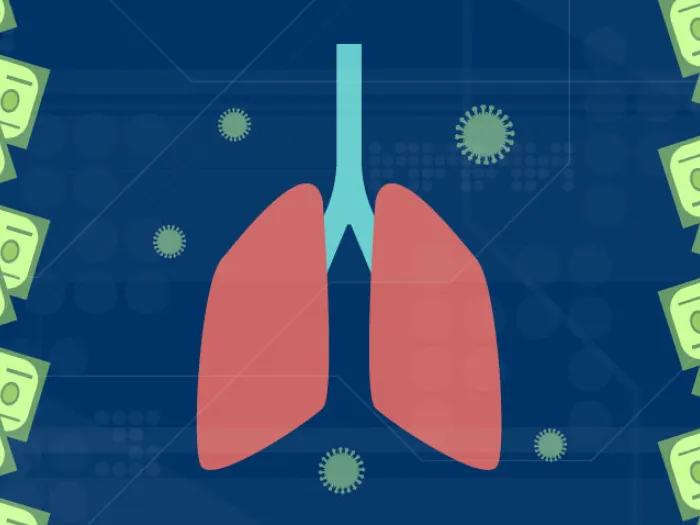
Patients with ARDS, COVID-19 Face Significant Financial Effects in Recovery
COVID-19 has intensified the need for crucial health policy changes to protect patients from financial toxicity resulting from overwhelming medical bills associated with ARDS
News Release
Deerfield commits up to $130M to commercialize drug discovery at the University of Michigan
A new partnership between the University of Michigan and health care investment firm Deerfield Management Co. will create a company to commercialize therapeutic projects that hold promise in solving unmet medical needs.

Health Lab
Staying Summer Safe During the Pandemic
Five ways to reduce your risk of COVID-19 over the holiday weekend and beyond.
Health Lab
At-Risk Older Women Aren’t Discussing Symptoms of Urinary Incontinence with Clinicians
New study points to a missed opportunity to improve quality of life for many women with incontinence.

Health Lab
What the SARS-CoV-2 Genome Reveals
Researchers are mapping the genome of SARS-CoV-2, the virus that causes COVID-19, to better understand how the novel coronavirus behaves.
Health Lab
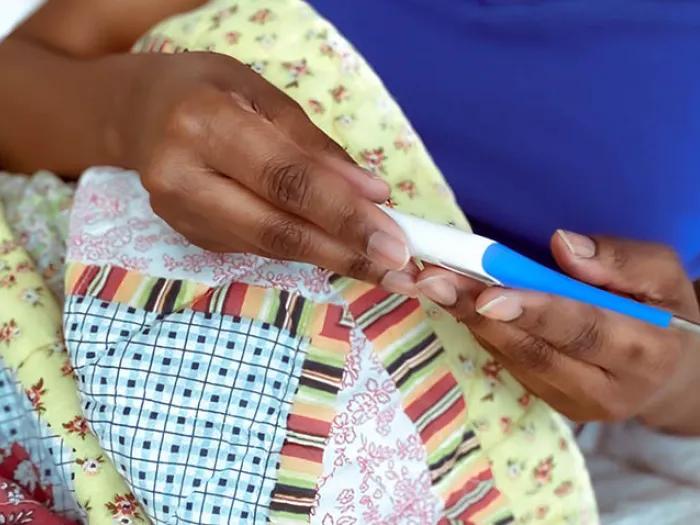
Racial Disparities in the Time of COVID-19
Black Americans have experienced a vastly disproportionate death rate during the COVID-19 pandemic, acutely magnifying the racial disparities and health inequities that affect communities of color.

Health Lab
Caring at a Distance: Telehealth and the COVID-19 Pandemic
The COVID-19 pandemic has required an unprecedented ramp up in telehealth capabilities. Now, telehealth is offering more peace of mind in a stressful time to expecting parents and others in need of non-urgent medical care.

Health Lab
COVID-19: Behind the Scenes of Testing
Duane Newton, Ph.D., director of the clinical microbiology laboratory at Michigan Medicine, explains the challenges of COVID-19 testing and how U-M is helping to address them.
Health Lab
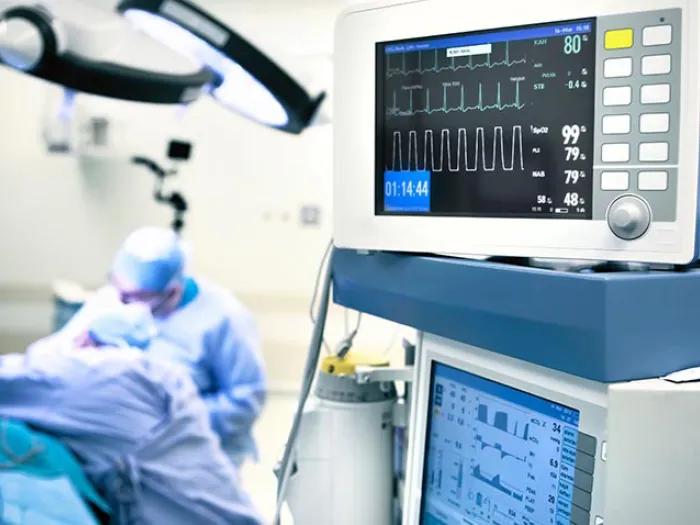
Rates of Pulmonary Complications Drastically Reduced with Newer Drug
New study shows significantly fewer post-surgery lung complications such as pneumonia and respiratory failure when sugammadex is used to reverse the effects of muscle relaxants used with anesthesia during surgery.
News Release
U-M researchers launch a wide range of efforts to study and address coronavirus pandemic
Research projects and innovations related to COVID-19 have ramped up quickly across the University of Michigan, spurred by doctors, public health experts, scientists, economists and engineers, and encouraged by research leaders.

Health Lab
The Pandemic Fight Over Plaquenil
A patient with lupus weighs in on the COVID drug debate.
Health Lab
Unlocking the Secrets of Brown Fat
Two Michigan researchers make major inroads into the biology of brown fat and its implications for weight loss and obesity-related diseases

Health Lab
How a New Valve Therapy for COPD Helped One Patient Breathe Easier
Janice Bright describes how minimally invasive treatment for advanced COPD improved her quality of life.
Health Lab
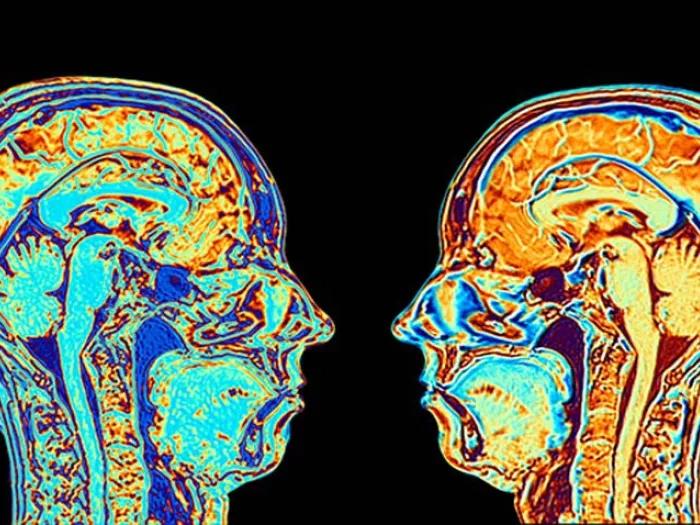
Study Reveals a Delicate Dance of Dynamic Changes in the Conscious Brain
To study consciousness, Michigan Medicine researchers use anesthesia in an attempt to gain a better understanding of moment-to-moment changes in the brain.
