
Kelly Malcom
Lead Research Communicator
Malcom is a lead research communicator for Michigan Medicine and research communications strategist for the U-M Medical School, with more than 20 years of experience in strategic communications, marketing, and health and science writing. She covers the basic science departments, pulmonary and critical care medicine, infectious disease, pathology and anesthesiology. Contact: [email protected]

News Release
George Mashour, M.D., Ph.D. appointed as chair of U-M Department of Anesthesiology
Today, the U-M Board of Regents approved the appointments of George A. Mashour, M.D., Ph.D. as chair of the Department of Anesthesiology and the Robert B. Sweet Professor of Anesthesiology, effective December 1.

Health Lab
Eating and Tweeting: What Social Media Reveals about Neighborhood Attitudes on Food
Researchers are using Twitter to analyze how we talk about food in our communities to gain insights into public health.

Health Lab
New Health Insurance Benefit at UM Led to Increased Rates of IVF
IVF can be cost prohibitive. By expanding coverage, U-M has increased access to IVF for employees in all income brackets.
Health Lab
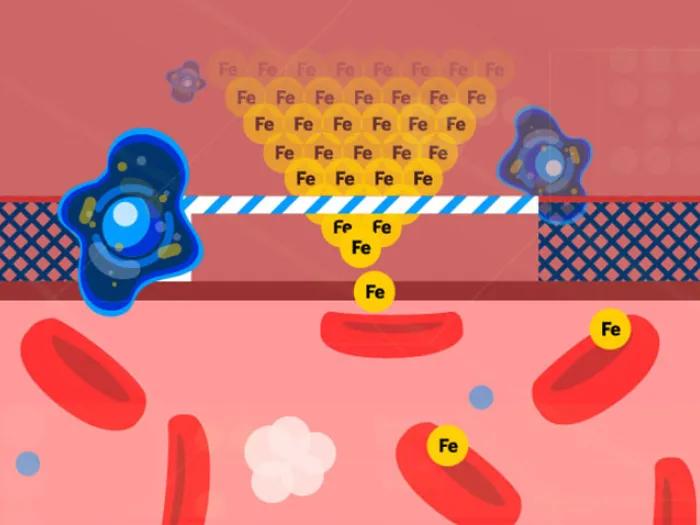
Gut Microbiome Puts the Brakes on Iron Absorption
Research finds gut microbiome plays an essential role iron absorption, inspiring new treatment ideas for both anemia and iron overload.
Health Lab
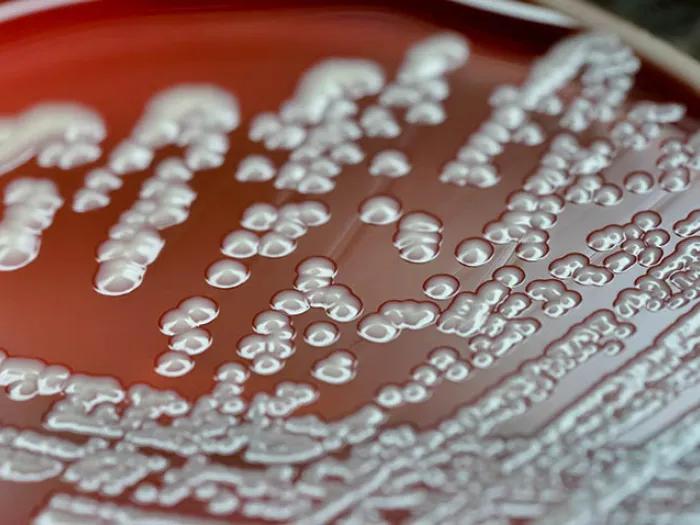
E. coli Gain Edge by Changing their Diets in Inflammatory Bowel Disease
A mouse study hints that the gut microbiomes of Crohn’s disease and IBD patients may be improved through dietary changes.

Health Lab
Immune system targets vitamin B12 pathway to neutralize tuberculosis bacteria
Immune system compound itaconate shown to block vitamin B12 pathway that tuberculosis-causing bacteria need to survive.

Health Lab
Should You Take CBD for Pain?
CBD oil and other supplements containing cannabidiol are gaining popularity, but does CBD work for treating chronic pain?

Health Lab
Genes Linked to Sex Ratio and Male Fertility in Mice
New Michigan Medicine research find genes that help maintain the 50-50 balance between male and female offspring.
Health Lab
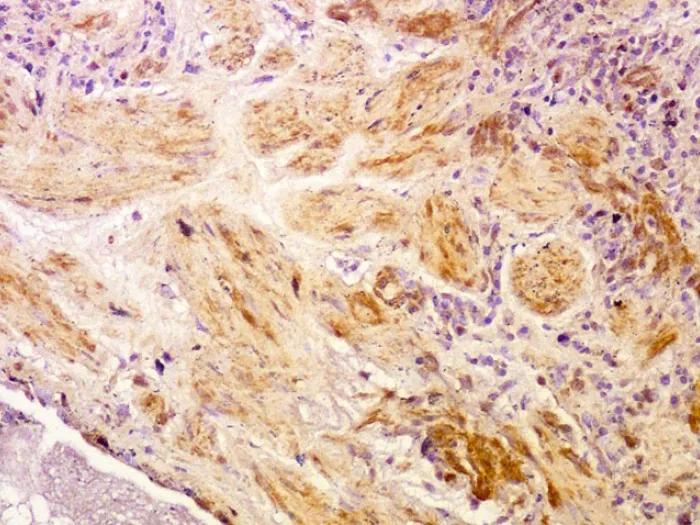
Epigenetic Changes to Gene Affect Key Cells Behind Idiopathic Pulmonary Fibrosis
A recent epigenetic discovery could inspire new treatments for patients living with idiopathic pulmonary fibrosis (IPF).

Health Lab
How the Colon Prioritizes Gas Detox Over Energy Use
Smelly farts are one way our bodies manage our well-being. It turns out expelling noxious gas takes priority in our guts.
News Release
U-M teams receive $25.5 million for opioid-related prevention and treatment research
As the nation continues to battle an epidemic of addiction and overdose related to opioids and other drugs, several teams of University of Michigan researchers have received millions of dollars in new federal funding to address the issue head-on.
News Release
Michigan Medicine names executive vice dean for research, chief scientific officer
Steve Kunkel, Ph.D., has been appointed as the permanent executive vice dean for research and chief scientific officer for Michigan Medicine, effective Sept. 1.

Health Lab
Basic Cell Discovery Could Lead to Improved Drugs for Heart Failure
Investigators at Michigan Medicine determine that receptors inside heart cells could be targets for better beta blockers and could lead to improved drugs for heart failure.
Health Lab
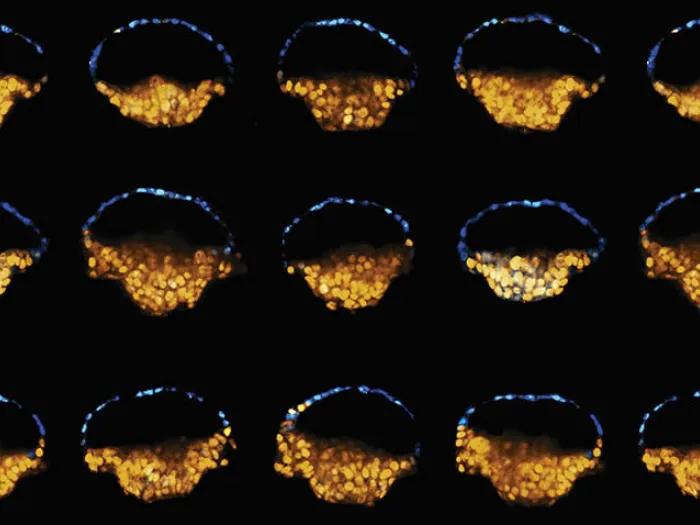
Induced Pluripotent Stem Cells Harnessed to Reliably Create Embryo-like Structures
Researchers develop new way to reliably create induced pluripotent stem cell (iPSC) colonies from adult tissue.

Health Lab
Anxiety Among Patient Factors Linked to More Opioid Use After Surgery
New research from Michigan Medicine could help doctors identify which patients are more likely to continue opioids after surgery
