
Health Lab
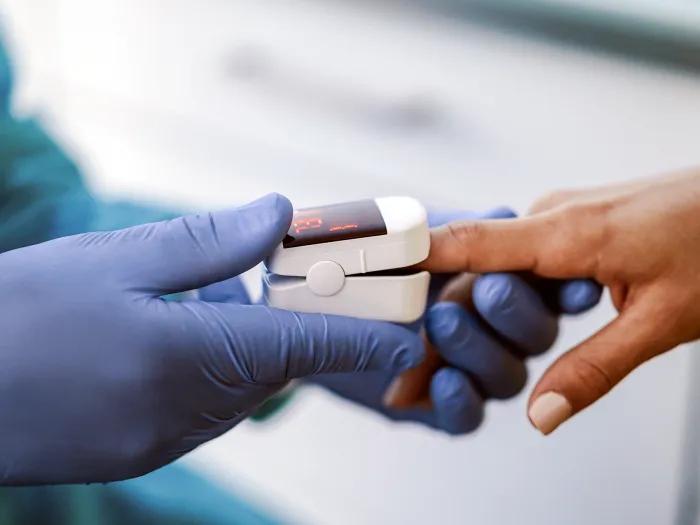
Inaccurate pulse oximeter readings could limit transplants, heart pumps for Black patients with heart failure
Racially biased readings of oxygen levels in the blood using pulse oximeters may further limit opportunities for Black patients with heart failure to receive potentially lifesaving treatments, such as heart pumps and transplants
Health Lab
What is heart disease?
Tanuka Piech, M.D., a cardiologist at the University of Michigan Health Frankel Cardiovascular Center, answers questions about heart disease, why we should care and what we can do to help prevent it.

Health Lab
Menopause and migraines: New findings point to power of prevention
Women who have both migraines and a long-term history of hot flashes and/or night sweats have a slightly higher risk of heart disease and stroke, and young women who have migraines have a higher risk of later persistent menopause symptoms.

News Release
Statewide cardiovascular consortium, hosted at Michigan Medicine, receives national award for patient safety, quality efforts
A collaborative partnership dedicated to improving statewide cardiovascular care and outcomes — hosted at Michigan Medicine — received national recognition for efforts in patient safety and quality. BMC2 received the award for its significant improvements in the documentation of radiation use, a decrease in high-dose radiation exposure and reduction in opioid prescribing rates for patients.
Health Lab
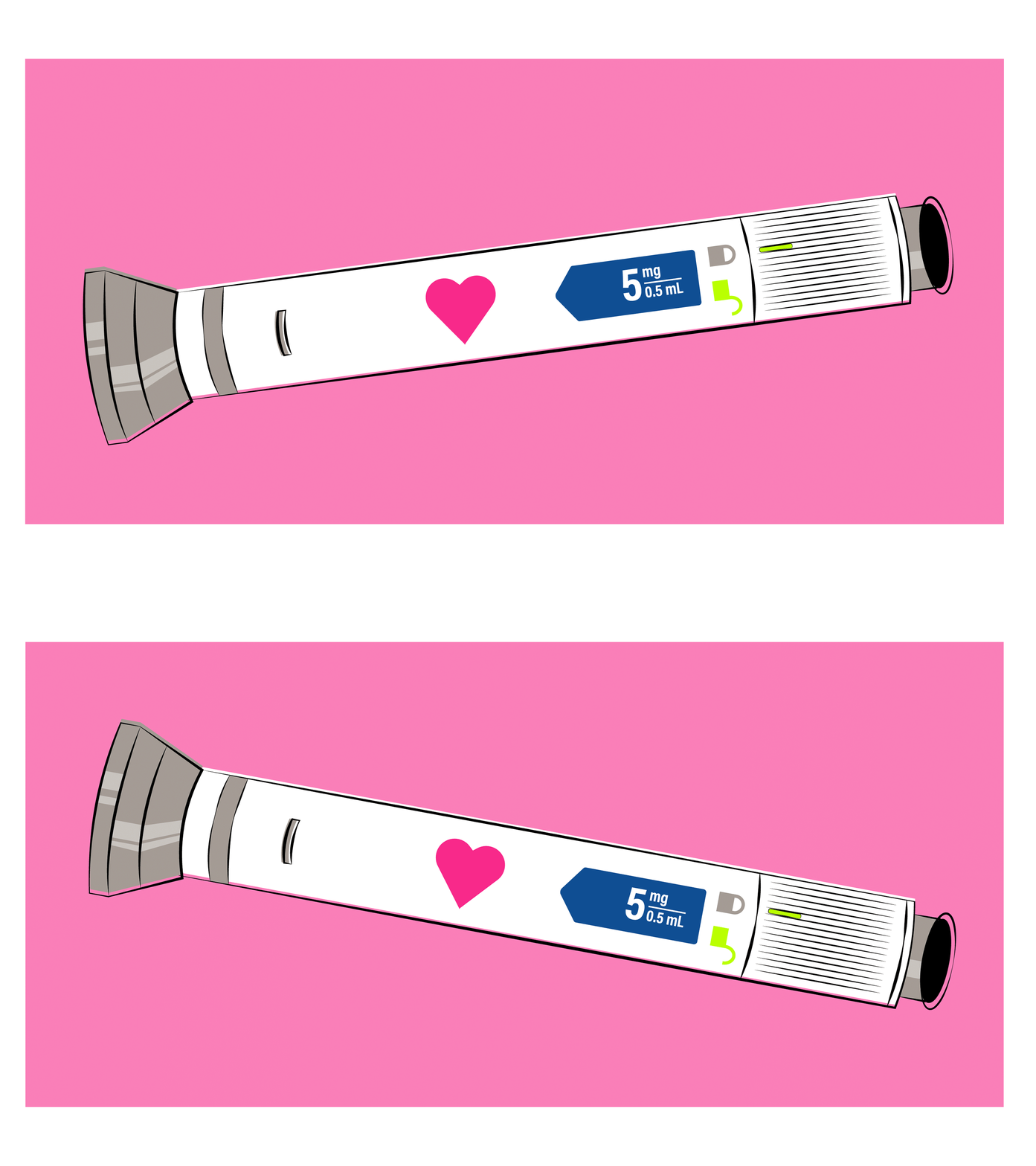
Should heart patients consider taking weight loss medications?
Cardiologist shares how weight loss medications may impact cardiovascular health.
Health Lab Podcast
How AI is helping to predict death and complications after heart procedures
It showed high levels of accuracy at predicting death, major bleeding events and the need for blood transfusion. Visit Health Lab to read the full story. The BMC2 Probability of Events Following PCI application can be found here.
Health Lab
AI model predicts death, complications for patients undergoing angioplasty, stents
Researchers at Michigan Medicine developed an AI-driven algorithm that accurately predicts death and complications after PCI — which could emerge as a tool for clinicians as they determine treatment for blocked heart arteries.
Health Lab Podcast
Study finds bipolar disorder surpasses smoking in mortality risk
A large study shows having bipolar disorder is associated with a four- to six-fold risk of dying prematurely, suggesting more preventive efforts needed. Visit Health Lab to read the full story.
Health Lab
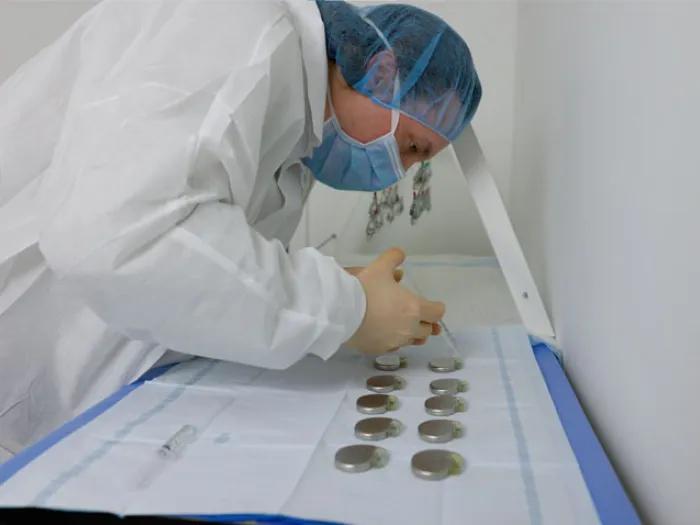
Can recycled pacemakers from the U.S. save lives overseas?
Researchers and clinicians at the U-M Health Frankel Cardiovascular Center began sending reconditioned pacemakers to low- and middle-income countries for compassionate use cases in 2010 through the “My Heart Your Heart” program.
Health Lab
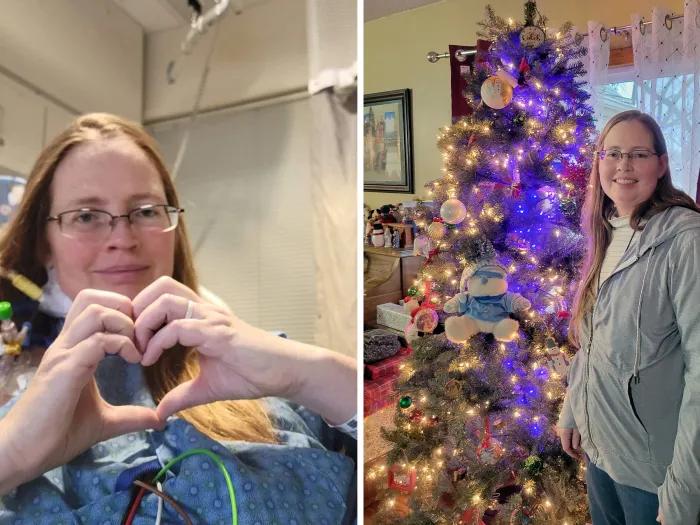
A heart transplant for her birthday
At Michigan Medicine, a mother of eight kids underwent a heart transplant surgery through a process called donation after circulatory death, or DCD, which saved her life.
Health Lab
Nearly 30% of caregivers for severe stroke survivors experience psychological distress
Post-traumatic stress worse among Mexican American caregivers compared to white caregivers.

Health Lab
Immune metabolite reduces atherosclerosis in mice
Itaconate shows promise in reducing inflammation for several conditions
Health Lab
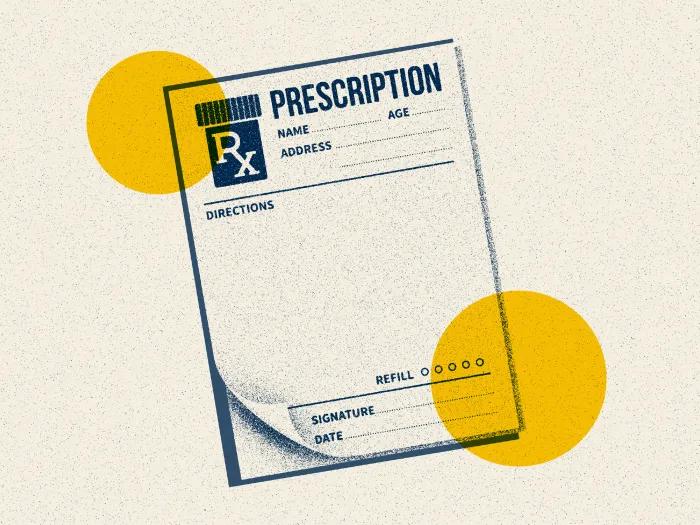
Popular blood thinner associated with higher risk of bleeding complications
In a study of the three most commonly prescribed blood thinners, the oral anticoagulant rivaroxaban, known by the brand name Xarelto, was associated with a significantly higher risk of bleeding complications than apixaban (brand name Eliquis) and warfarin for patients with blood clots or atrial fibrillation.
Health Lab
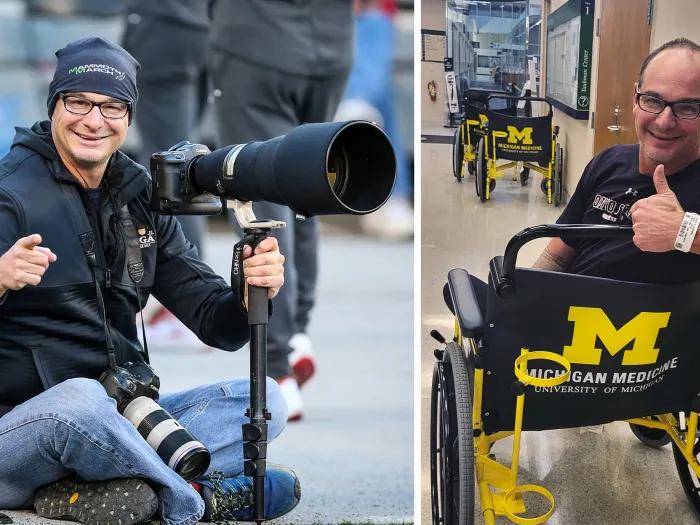
Heart attack at Michigan-Ohio State game ends in win for Ohio photographer
An Ohio-based sports photographer is recovering safely at home — and feeling somewhat victorious, despite the Buckeye loss — after having a heart attack at the conclusion of the Michigan-Ohio game.

Health Lab
Both virtual and in-person nutrition visits help to lower cholesterol
The use of telehealth remains high, with over 20% of American adults taking appointments online. These visits include video calls with registered dietitian nutritionists, who have a critical role in helping patients take on lifestyle changes through medical nutrition therapy. With a focus on the changing digital landscape, researchers at Michigan Medicine found that telemedicine patients with hyperlipidemia — an excess of cholesterol or fats in the blood — experienced similar positive health benefits compared to those who had in-person visits.
