
More articles about: Cardiovascular: Diseases & Conditions
Health Lab
Metformin may reduce Afib after ablation in adults with obesity
Taking the diabetes medication metformin may reduce episodes of atrial fibrillation, or Afib, in people with obesity. Preliminary findings were presented as late-breaking science at the 2025 American Heart Association Scientific Sessions.

Health Lab
After 25 procedures and constant fainting, patient finds long term relief
After 25 procedures and constant fainting, patient finds long term relief at Michigan Medicine.

Health Lab
Women missing cardiac rehabilitation, despite key benefits
Cardiac rehabilitation can significantly improve short and long term recovery, but attendance remains poor — with even fewer women utilizing the programs available says an American Heart Association scientific statement on cardiac rehabilitation in women.
Health Lab
Biologic drug reduces symptoms, hospitalization for severe pulmonary hypertension after diagnosis
Prescribing the biologic drug sotatercept alongside standard treatment for the most severe form of pulmonary hypertension significantly reduces the likelihood of worsening disease when added within the first year after diagnosis, according to a study published in the New England Journal of Medicine by Michigan Medicine.

Health Lab
Telestroke patients more likely to receive treatment, but with greater delays
Stroke patients evaluated using telemedicine (telestroke) have higher odds of receiving essential treatment, yet it takes longer for them to be treated — potentially limiting the benefits, finds a Michigan Medicine.
Health Lab
Peripheral artery disease: What to know
A multidisciplinary team at Michigan Medicine answers important questions about peripheral artery disease, also known as PAD.

Health Lab
Returning to normal life after heart failure through LVAD therapy
Thirty-one-year-old is not letting his heart diagnosis define his life or his future.
Health Lab
Understanding why kids with Fontan heart procedures face higher risks after heart transplant
Study finds that the strongest risk factors for poor transplant outcomes in children with Fontan circulatory failure include low oxygen levels, hospitalizations and significant mental health challenges.

Health Lab
High triglycerides drive life threatening aortic aneurysms, study in mice finds
High levels of triglycerides, the most common type of fat in the body and the foods you eat, directly cause abdominal aortic aneurysms, according to a study in mice. A drug candidate lowered triglyceride levels by up to 50% and prevented aneurysm formation, showing promise as a treatment avenue.

Health Lab
Nearly 1 in 6 older adults take aspirin despite no history of heart disease
Around 1 in 6 older adults take aspirin as their primary method of preventing cardiovascular disease, despite stricter guidelines. For some patients, the benefit of aspirin may not outweigh the risk of bleeding.

Health Lab
Ischemic stroke: what’s the right treatment?
Most strokes are ischemic, meaning blood flow to part of the brain is blocked by a clot. Here, a neurologist shares treatment options and how providers decide when time is short.
Health Lab
Researchers uncover novel mechanism that leads to high blood pressure
Researchers at Michigan Medicine have uncovered a key mechanism that regulates blood pressure and vascular remodeling in people with a genetic variant linked to high blood pressure.

Health Lab
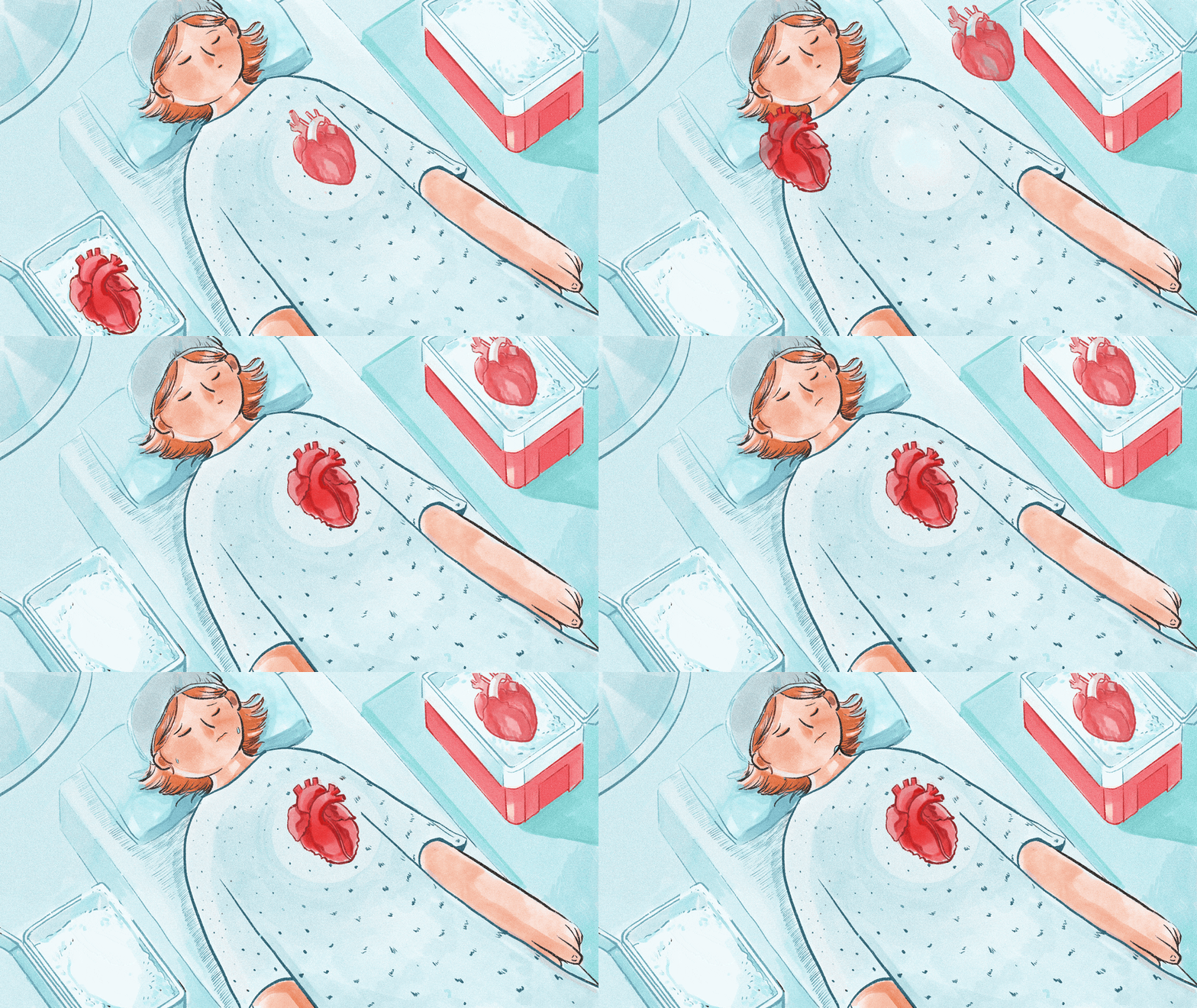
Why donor hearts fail in cold storage — and how to prevent it
Researchers have discovered a new molecular process that occurs when donor hearts are preserved in cold storage which contributes to failure after transplant, a study in both humans and animals shows. Fortunately, therapy that is typically prescribed for high blood pressure can target this process to reduce cold preservation associated with cardiac injury. This discovery has potential to improve the consistent function of donor hearts and extend the distance they can be safely transported in cold storage.
Health Lab
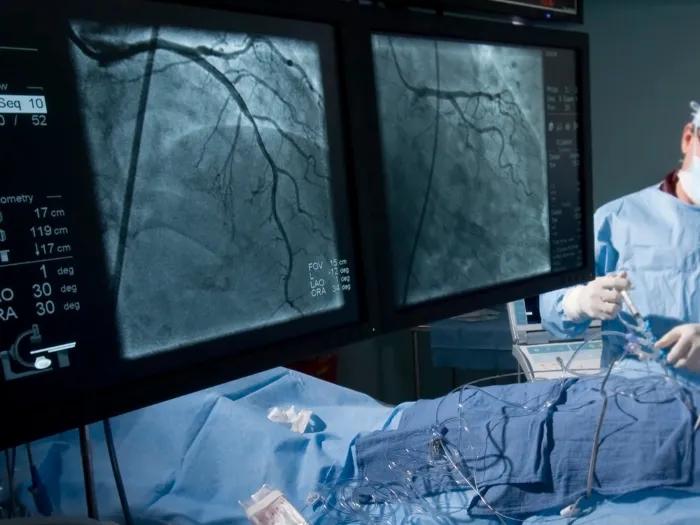
Researchers find significant differences in care of life threatening shock after heart attack
A study finds most hospitals don’t see many cardiogenic shock patients. When they do, providers often do not have a standardized way of treating them.
Health Lab
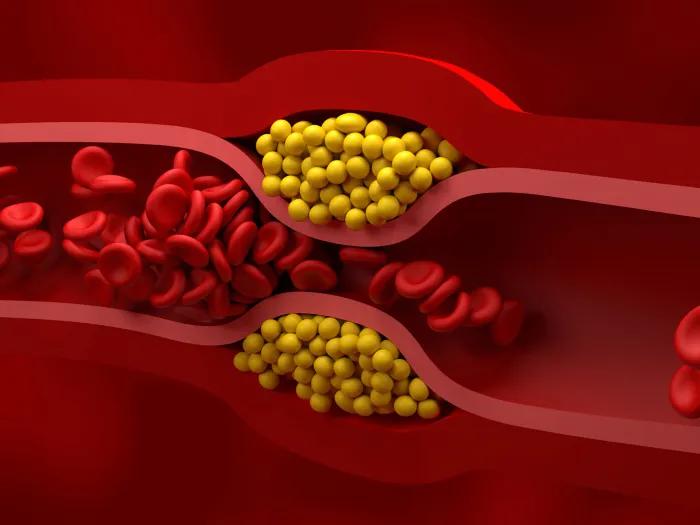
Drug candidate successfully treats atherosclerosis, fatty liver disease in large mammals
A compound that was previously found to treat severe fatty liver disease also reduces atherosclerosis, a primary driver of cardiovascular death, in non-human primates. The drug candidate was developed at the University of Michigan.
