
Kelly Malcom
Lead Research Communicator
Malcom is a lead research communicator for Michigan Medicine and research communications strategist for the U-M Medical School, with more than 20 years of experience in strategic communications, marketing, and health and science writing. She covers the basic science departments, pulmonary and critical care medicine, infectious disease, pathology and anesthesiology. Contact: [email protected]

News Release
NIH High-Risk, High-Reward program awards three U-M Medical School investigators
Three U-M investigators—Changyang Linghu, Longhua Guo and Sundeep Kalantry—have been acknowledged by the National Institutes of Health’s (NIH) prestigious High-Risk, High-Reward Research program.

Health Lab
A personalized RNA therapeutic treats twins with ultra-rare form of Batten disease
A therapeutic developed by Michigan Medicine's Michelle Hastings, Ph.D., is now being used to treat twin girls with a rare form of juvenile Batten disease.

Health Lab
Drug used for alcoholism shows potential for stopping inflammatory disease
A study shows that disulfiram, known for causing severe hangover symptoms by blocking alcohol breakdown, also inhibits the inflammatory NLRP3 complex.

Health Lab
Less than 1% of COPD patients receive pulmonary rehab following hospitalization
Rehabilitation can help patients who are recovering from an injury or illness. However, new data suggests patients hospitalized for chronic obstructive pulmonary disorder, or COPD, aren't receiving it.

Health Lab
How the brain's inner chamber governs your state of consciousness
Investigators at Michigan Medicine, who are studying the nature of consciousness, have successfully used the drug to identify the intricate brain geometry behind the unconscious state, offering an unprecedented look at brain structures that have traditionally been difficult to study.
Health Lab
The environmental toll of inhalers for asthma and COPD
In a JAMA research letter, Medicare and Medicaid claims data were used to estimate the greenhouse gas emissions of inhalers using propellants versus those that are propellant-free in the United States.

Health Lab
Pathologists aid in patient understanding and quality of care
Researchers examined how a pathology explanation clinic, or PEC, could improve the experience of a small group of patients newly diagnosed with prostate cancer.
News Release
Amy Kilbourne named U.S. VA Executive Director of Health Systems Research
Amy Kilbourne, PhD, MPH, Associate Chair for Research and Professor of Learning Health Sciences at U-M Medical School has been appointed Executive Director of Health Systems Research for the U.S. Department of Veterans Affairs Health System, effective June 30, 2024.

Health Lab
How a gene for obesity affects the brain
How a gene for obesity affects the brain: The discovery could lead to new treatments for metabolic diseases with fewer side effects

Health Lab
This anesthesia technique makes surgery safer, less scary for pediatric patients
The pediatric spinal anesthesia program offers a needle-based technique that provides sensory and motor block without the need for intubation or general anesthesia for pediatric surgical procedures below the belly button. This means the patient will not feel anything below chest level.
News Release
$3.2M NIH grant to enable more accurate identification of bone fracture risk
The multi-institution grant will establish a novel approach to identify individuals at increased risk of hip fragility fractures.

Health Lab
Primary care physicians are hesitant to accept chronic pain patients using opioids or cannabis
Michigan Medicine research finds that patients with chronic pain who use either substance may find it harder to find primary care physician than those who don’t.
News Release
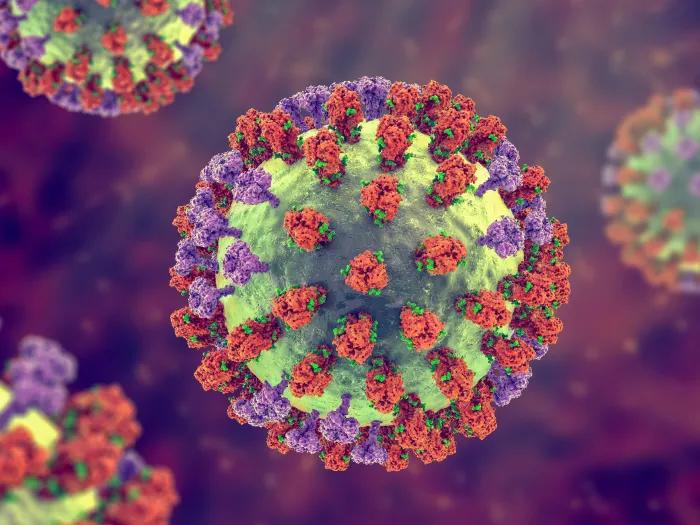
$10 million NIH-award establishes new U-M center to study genomics of infectious disease pathogens
A new NIH award will establish the Michigan Infectious Disease Genomics (MIDGE) Center, the goal of which is to use whole genome sequencing and functional genomic assays to determine how genetic differences among strains or isolates affect the behavior, transmission, and drug resistance of viral, bacterial, and fungal pathogens.

Health Lab
Circadian rhythm drives the release of important immune cells
A study shows circadian rhythm drives the release of important immune cells in the body.

Health Lab
Studies uncover the critical role of sleep in the formation of memories
Two new studies from University of Michigan reveal what's happening inside the brain during sleep and sleep deprivation to help or harm the formation of memories.
