
Kelly Malcom
Lead Research Communicator
Malcom is a lead research communicator for Michigan Medicine and research communications strategist for the U-M Medical School, with more than 20 years of experience in strategic communications, marketing, and health and science writing. She covers the basic science departments, pulmonary and critical care medicine, infectious disease, pathology and anesthesiology. Contact: [email protected]

Health Lab
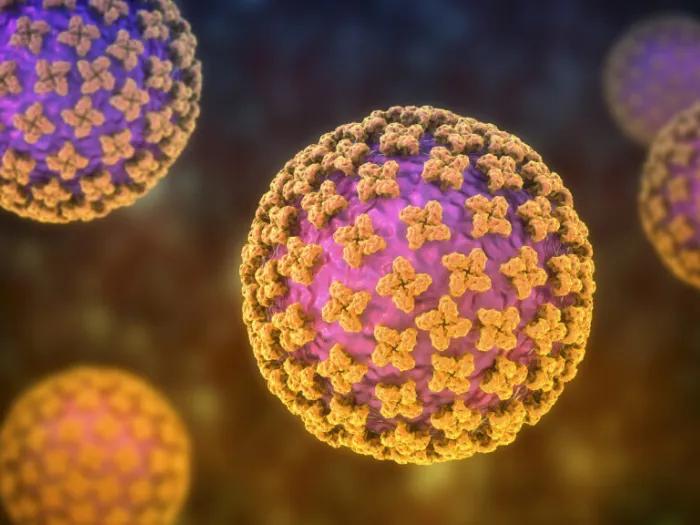
Hantavirus: Do we need to worry about this rare infection?
Emily Abdoler's message to the public about hantavirus is to not panic–and to acknowledge that public health is vital to managing the ever-present threat posed by communicable diseases.
Health Lab
New study hints at cause of pachyonychia congenita and a long-awaited potential treatment
New University of Michigan-led offers much needed answers about a specific protein, called keratin 16 (K16), implicated in pachyonychia congenita and other skin conditions.

Health Lab
New study hints at the cause of a painful skin condition—and at a long-awaited potential treatment
New University of Michigan-led research from the lab of Pierre Coulombe, Ph.D. offers much needed answers about a specific protein, called keratin 16 (K16), implicated in pachyonychia congenita (PC) and other skin conditions.

Health Lab
Surviving sepsis: New guidelines harness life saving evidence for treating adults
An updated clinical guideline for treating sepsis in adults emphasizes pre-hospital care and judicious use of antibiotics and antifungals

Health Lab
Post-operative prescription-fill patterns differ amongst patients on high dose opioids
A team at University of Michigan Medical School noted a lack of evidence around prescription practices for patients who come to surgery on high doses of opioids for chronic conditions.

Health Lab
Researchers uncover why a rare disease resulting in abnormal fat loss can also lead to diabetes
With help of patients with FPLD2, a research team has finally found some answers to why familial partial lipodystrophy can lead to diabetes and metabolic disease.
Health Lab
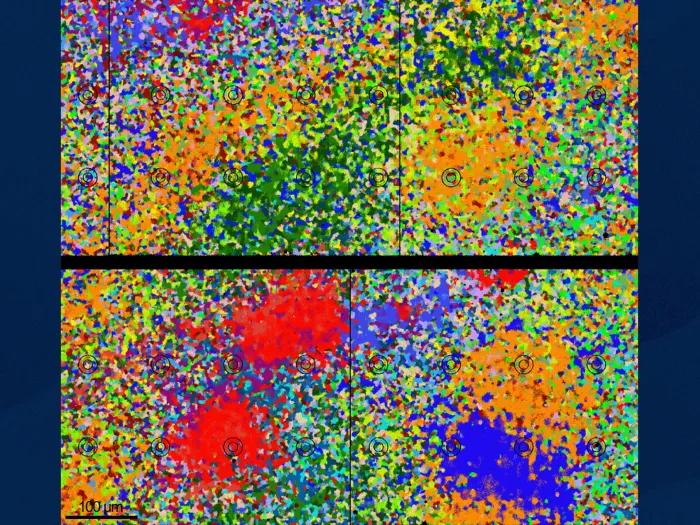
An upgrade to U-M developed tech enables researchers to see even finer transcription detail inside cells
A technology developed at University of Michigan called Seq-Scope revolutionized the ability to map gene activity within intact tissue at microscopic resolution, enabling researchers to measure all expressed mRNA molecules and determine precisely where they are located within the tissue, using an Illumina sequencer machine. The team behind the Seq-Scope method has recently taken the technology even further. Their findings are described in Nature Communications.

Health Lab
A protein tape-recorder enables scientists to measure and decode cellular processes at scale and over time
A new tool, developed at the University of Michigan, acts as a tape recorder produced and maintained by the cell itself, enabling scientists to rewind back in time and view interactions on a large scale and over long periods of time.
Health Lab
Reducing screentime leads to lowered stress for health care workers
A simple intervention of reduced work-related apps on personal devices led to an increase of wellbeing for health care workers a Michigan Medicine study found.
Health Lab
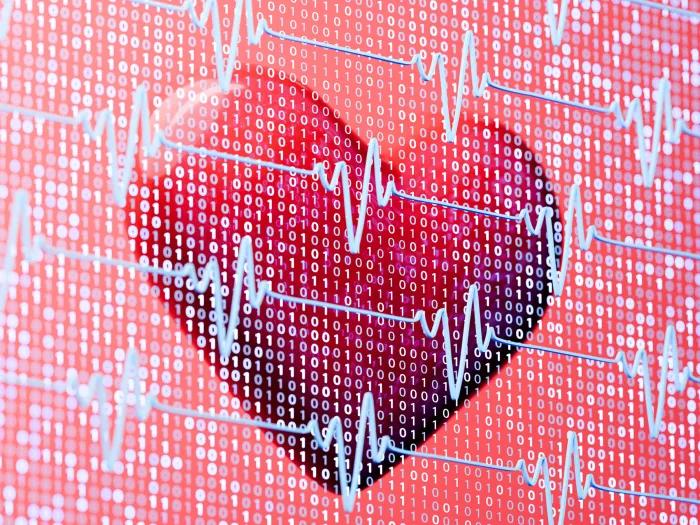
AI tool can predict heart failure from genetic and health record data
Michigan Medicine researchers found that by collecting genetic information and clinical data from an individual patient can help predict their heart failure risk a decade before it’s diagnosed.

Health Lab
Child survivors of critical illness are missing out on timely follow up care
Critically ill or injured kids may be missing out on vital follow up care, finds a study from Michigan Medicine.
Health Lab
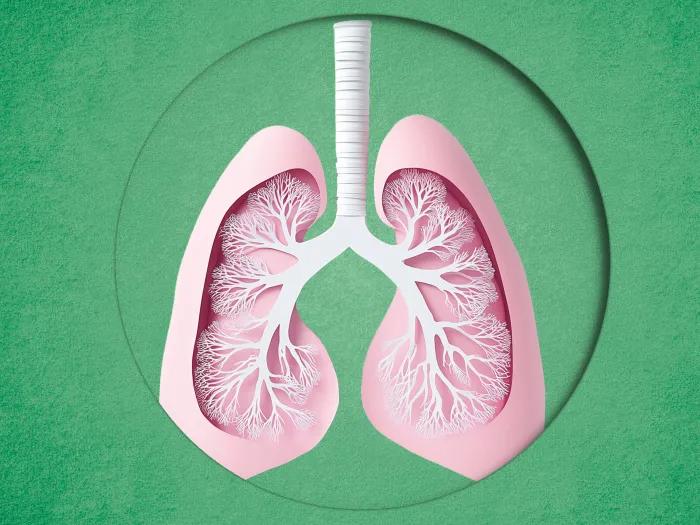
New hope for patients with idiopathic pulmonary fibrosis
A pulmonary and critical care doctor and research at Michigan Medicine discussed idiopathic pulmonary fibrosis (IPF) and the latest advancements in treating the condition.

Health Lab
Study reveals the dual role for a protein critical for healing nerve damage
A recent University of Michigan study in mice finds a specific protein inside of the nerves, called Sarm1, appears to be essential for nerve regeneration.

Health Lab
Insights from worms could help scientists harness the power of dietary restriction for longevity
Research from the University of Michigan Medical School uncovers interesting connections between a longevity gene, behavior and the environment.

Health Lab
Brains and stock markets follow the same rules in crisis, study finds
University of Michigan researchers reveal that the behaviors of brains and economies during crises can be explained using observations common in the realm of physics.
