
Kara Gavin
Research and Policy Media Relations Manager
Gavin draws on more than 25 years of experience in communicating about science, medicine and health policy. She focuses mainly on the health services research done by members of the U-M Institute for Healthcare Policy and Innovation, who work to understand and improve the safety, quality, equity and affordability of health care. As part of the Michigan Medicine communication team, she has lead responsibility for primary care and mental health topics. Contact: [email protected]; Twitter: @Karag


Health Lab
Mental health apps may help those waiting for care, study finds
People with depression, anxiety and even suicidal thoughts can wait weeks for a mental health appointment, but a new study shows mobile apps and activity trackers might help during the wait.

Health Lab
An unequal toll of financial stress
Inflation rates may have cooled off recently, but a poll shows many older adults are experiencing financial stress – especially those who say they’re in fair or poor physical health or mental health

News Release
From ‘trial and error’ to targeted precision: $17.9M grant accelerates U-M mental health research
A new major grant aims to bring the same precision to mental health care for depression, anxiety and other psychiatric conditions that already exists for cancer and heart disease.
Health Lab
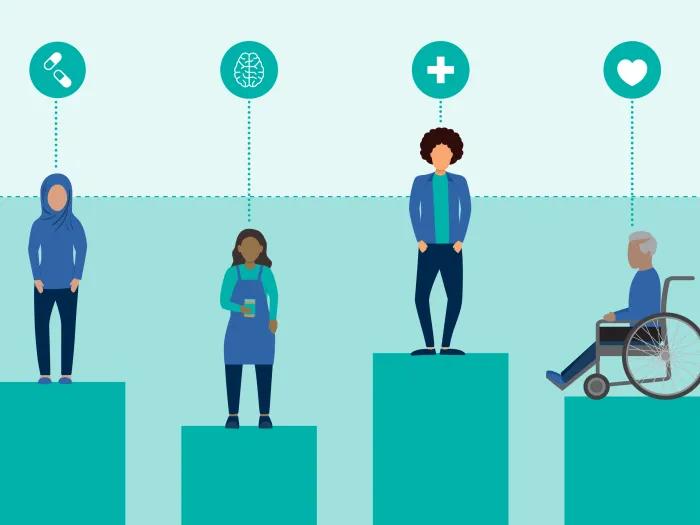
What can America do to make health care and health outcomes more equal?
Inequality in health care access and delivery, and in health outcomes, have changed somewhat in the past 20 years but more needs to be done to reduce racial and ethnic disparities.

Health Lab
Cost may not keep people from filling opioid addiction treatment prescriptions
Buprenorphine prescriptions almost always get filled by those who receive them to treat opioid addiction, even when costs are higher, suggesting more effort is needed to increase prescribing.
Health Lab
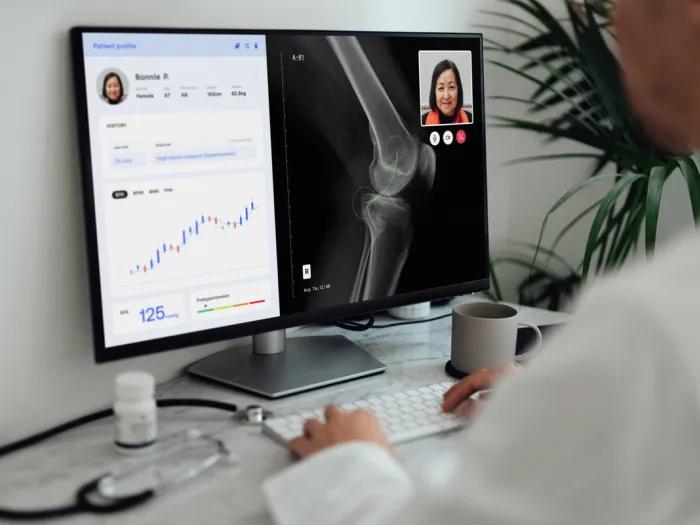
Pre-op visits by video? Most surgeons say no – but open to post-op telehealth
A survey of surgeons shows most aren’t in favor of operating on a patient they’ve never seen in person, but many are open to telehealth appointments after a successful operation.
Health Lab
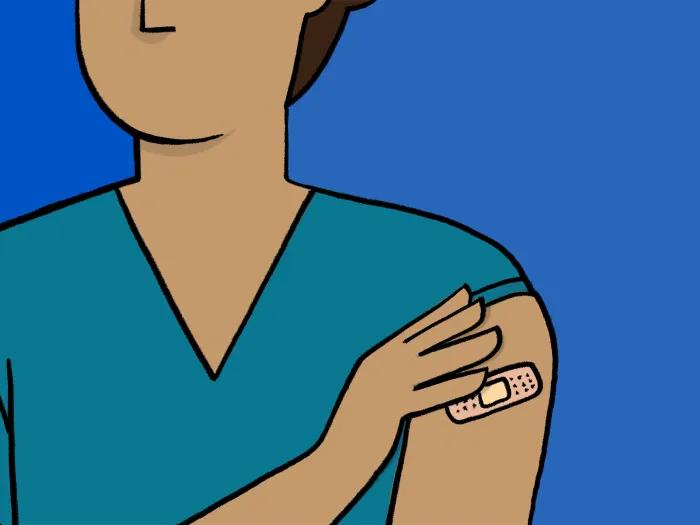
More hospitals than ever require staff to get flu shots
Flu vaccination mandates for hospital staff have increased in recent years, especially at hospitals serving veterans
Health Lab
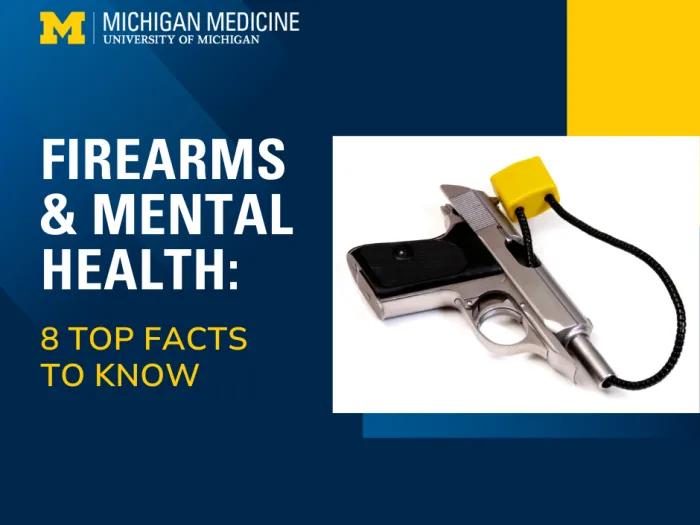
Firearms and mental health: 8 top facts to know
For people with mental health conditions, whether diagnosed or not, easy firearm access during a crisis can be dangerous. There experts offer tips for how to reduce the risk.

Health Lab
Uncovering mysteries of the developing brain
The ABCD study, a long-term study of the brains of thousands of young people from preteen to late teen years, is revealing important insights into behavior and mental health.

Health Lab
Most older adults don’t know about resources for navigating aging and caregiving
Social and health services aimed at older adults have low awareness rates among people over 50, suggesting more effort is needed to spread the word to patients and caregivers.

Health Lab
Adding obesity experts to primary care clinics improves patients’ weight loss outcomes
A weight navigation program for primary care patients with obesity led to more use of proven weight management strategies and more weight loss

Health Lab
Better medical record-keeping needed to fight antibiotic overuse, studies suggest
Efforts to reduce overuse of antibiotics may be hampered by incomplete medical records that don’t show the full reasons for prescriptions.

Health Lab
The doctor is in…. but what’s behind them?
A study reveals that what a doctor has behind them during a telehealth visit can make a difference in how the patient feels about them and their care.

Health Lab
Widening inequality seen where cancer clinical trials are available
The availability of clinical trials of new treatments for cancer varies greatly by geography, and a new study shows more socially vulnerable areas have far fewer.

Health Lab
Health costs top older adults’ list of concerns for people their age, poll finds
People over 50 of all backgrounds say they’re most concerned about various kinds of health costs affecting people their age, including insurance, prescriptions, medical care, dental care and home or longterm care.
