
Kara Gavin
Research and Policy Media Relations Manager
Gavin draws on more than 25 years of experience in communicating about science, medicine and health policy. She focuses mainly on the health services research done by members of the U-M Institute for Healthcare Policy and Innovation, who work to understand and improve the safety, quality, equity and affordability of health care. As part of the Michigan Medicine communication team, she has lead responsibility for primary care and mental health topics. Contact: [email protected]; Twitter: @Karag

Health Lab
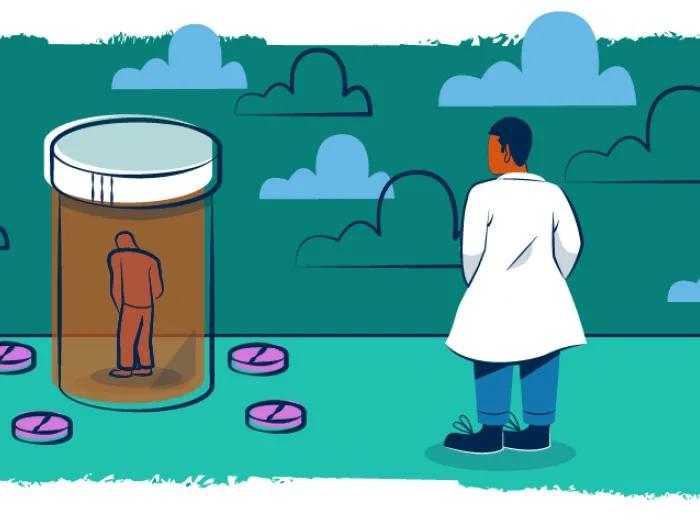
It’s easier now to treat opioid addiction with medication -- but use has changed little
Buprenorphine prescribing for opioid addiction used to require a special waiver from the federal government, but a new study shows what happened in the first year after that requirement was lifted.

Health Lab
Rise seen in use of antibiotics for conditions they can’t treat – including COVID-19
Overuse of antibiotics can lead bacteria to evolve antimicrobial resistance, but Americans are still receiving the drugs for many conditions that they can’t treat.
Health Lab
In drive to deprescribe, heartburn drug study teaches key lessons
An effort to reduce use of PPI heartburn drugs in veterans because of overuse, cost and potential risks succeeded, but provides lessons about deprescribing efforts.

Health Lab
Thinking outside the doctor’s office: How older adults use urgent care & in-store clinics
In the past two years, 60% of people age 50 to 80 have visited an urgent care clinic, or a clinic based in a retail store, workplace or vehicle, according to new findings from the University of Michigan National Poll on Healthy Aging.

Health Lab
Medicare pays for message-based e-visits. Are older adults using them?
Telehealth study of patient portal e-visits by Medicare participants shows few had an interaction for which their provider billed them.

Health Lab
Want to cut U.S. heart risks? Get more people into primary care, study suggests
Most people with risk factors for cardiovascular disease – what are sometimes called the Essential Eight – are managed by primary care clinics, or haven’t seen any provider recently

Health Lab
Rapid rise seen in mental health diagnosis and care during and after pregnancy
Perinatal mental health research shows more pregnant people and those who have recently given birth are getting diagnosed and treated for depression, anxiety and PTSD, but disparities remain.
Health Lab
In sickness and in health, older couples mostly make Medicare moves together
A new study suggests the need for more efforts to help both members of a couple weigh and choose their Medicare options together, because most changes of plan occur with both members of the couple changing from the same option to the same option.

Health Lab
Most new doctors face some form of sexual harassment, even after #MeToo
Sexual harassment of all kinds is a common experience among first-year medical residents, also known as interns, especially those in surgical specialties, but it may be declining.
Health Lab
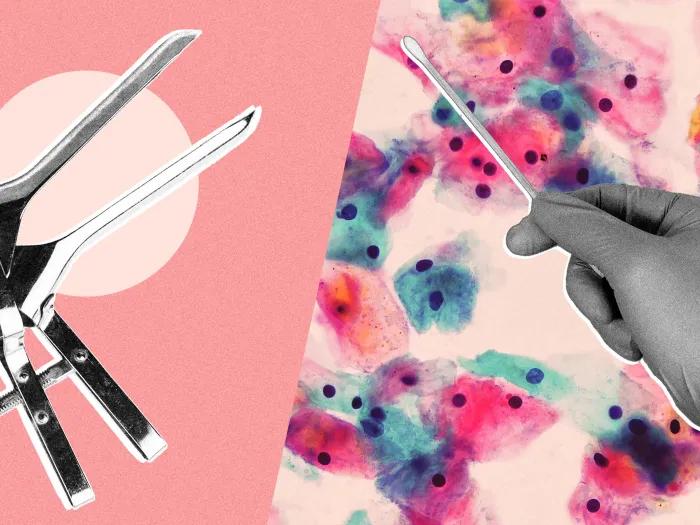
U.S. could cut cervical cancer cases, deaths by up to 20% if more patients followed up after screening, study suggests
Many women don’t get cervical cancer screening such as Pap tests, or don’t go for follow up diagnostic tests; a new study shows what could happen if all of them did.

Health Lab
Michigan’s new firearm injury prevention laws: What everyone should know
Michigan has a set of new laws related to firearms, all designed to reduce the risk of injury and death across the state.
Health Lab
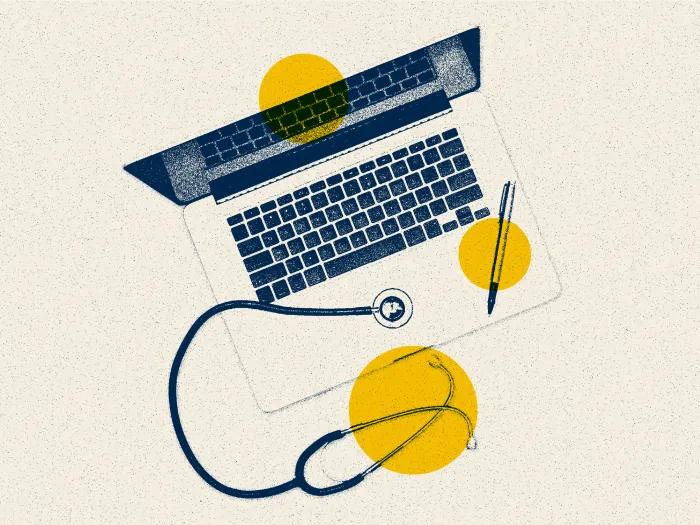
Same patient. Different visit. Different race and ethnicity?
Data on the race and ethnicity of patients underpins efforts to reduce health care disparities, but a study shows inconsistent recording in emergency departments

Health Lab
Primary care scarcity linked to more surgical emergencies, problems
Patients living in areas with the worst shortages of primary care providers are more likely to have emergency surgery, surgical complications and hospital readmissions.
Health Lab
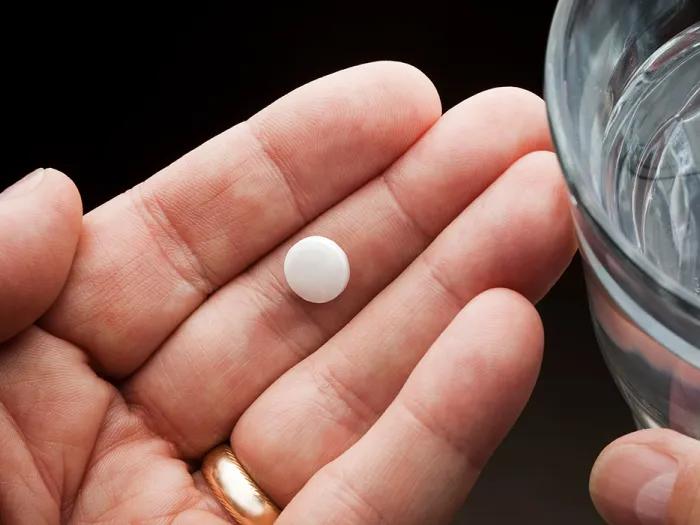
An aspirin a day? Some older adults who take it may be following outdated advice
Many people aged 50 to 80 who said they take aspirin multiple times a week may not need to do so and could be causing health risks, according to National Poll on Healthy Aging.

Health Lab
Four years later, what do we know about COVID-19?
Today, thanks to researchers, medical and public health experts, pharmaceutical companies, engineers and others, we know more and can do more about the coronavirus called SARS-CoV2, and the disease called COVID-19, than ever before.
