
Kara Gavin
Research and Policy Media Relations Manager
Gavin draws on more than 25 years of experience in communicating about science, medicine and health policy. She focuses mainly on the health services research done by members of the U-M Institute for Healthcare Policy and Innovation, who work to understand and improve the safety, quality, equity and affordability of health care. As part of the Michigan Medicine communication team, she has lead responsibility for primary care and mental health topics. Contact: [email protected]; Twitter: @Karag

News Release
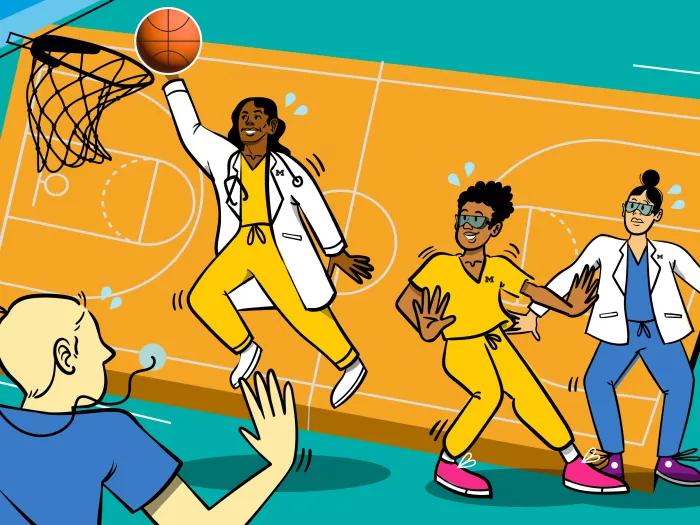
Four U-M teams selected for virtual tournament of science
U-M researchers' work made the bracket in the 2024 STAT Madness tournament of science, and need public support to advance
Health Lab
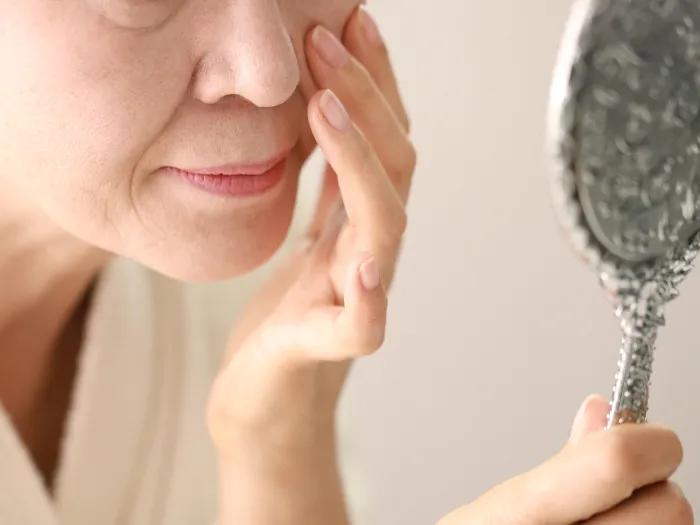
Does trying to look younger reduce how much ageism older adults face?
How do ageism and positive age-related experiences differ for people who have tried to look younger, or feel they look younger, than they actually are? A new study examines this and the relationship with health

Health Lab
Obesity care can make a big difference, but few get it, study suggests
Obesity care under a health care provider’s supervision, whether through nutrition counseling, medication, meal replacement or bariatric surgery, can help people with high BMI, but many don’t receive it.
News Release
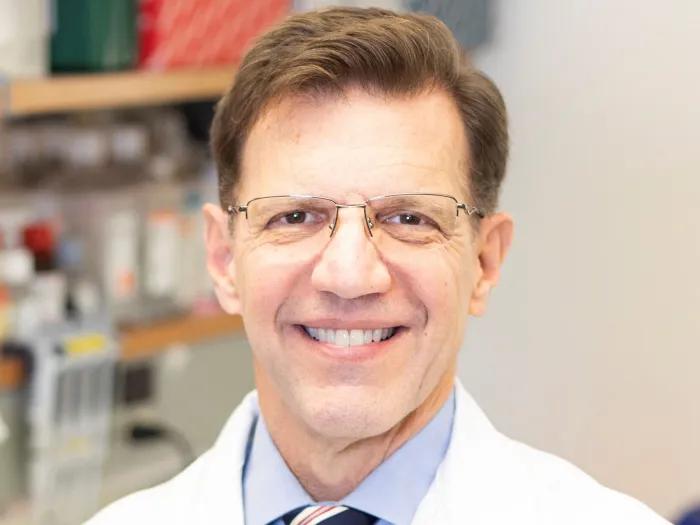
Timothy S. Blackwell, M.D., named the chair of U-M Department of Internal Medicine
Lung disease specialist comes to Michigan from Vanderbilt University School of Medicine to lead largest department

Health Lab
Menopause and migraines: New findings point to power of prevention
Women who have both migraines and a long-term history of hot flashes and/or night sweats have a slightly higher risk of heart disease and stroke, and young women who have migraines have a higher risk of later persistent menopause symptoms.

Health Lab
Ketamine’s promise for severe depression grows, but major questions remain
New findings about the impact of IV ketamine on treatment resistant depression add more fuel to the potential for broader use and insurance coverage.
Health Lab
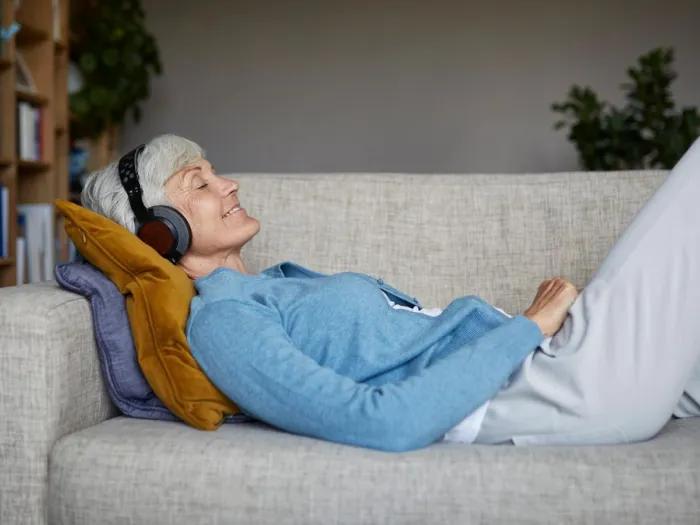
Music may bring health benefits for older adults
Making music by singing or playing an instrument, or listening to music, brings health and wellbeing benefits to many older adults.

Health Lab
Ketamine helped many severely depressed veterans, study shows
Intravenous (IV) ketamine helped relieve the depression symptoms of half of the veterans who received it at VA hospitals.
Health Lab
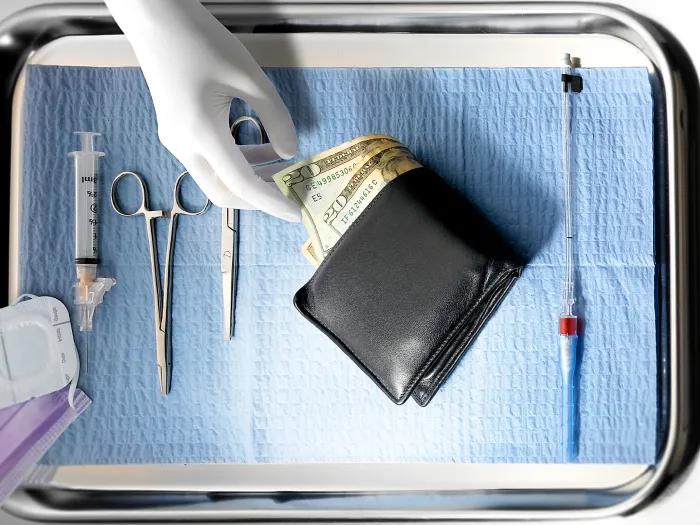
Worries about costs, time off work and COVID-19 kept some older adults from having surgery
Elective surgery study shows older adults have concerns about what it will cost them, how much work they’ll miss and whether they’ll catch COVID-19.
Health Lab
Few older adults use direct-to-consumer health services; those who do don’t tell their regular provider
Buying health care services directly online offers convenience but also risks if patients don’t tell their regular doctor or provider. Poll looks at older adults’ use and attitudes.
Health Lab
For surgery patients, AI could help reduce alcohol-related risks
Surgery patients who drink at a risky level have higher risks of complications; surgical teams could use artificial intelligence to search their records for signs that they may need to cut back.
Health Lab
Sickle cell raises COVID risk, but vaccination lags
Vaccination against the coronavirus was much lower in adults and children with sickle cell disease despite a higher risk of severe COVID-19.
Health Lab
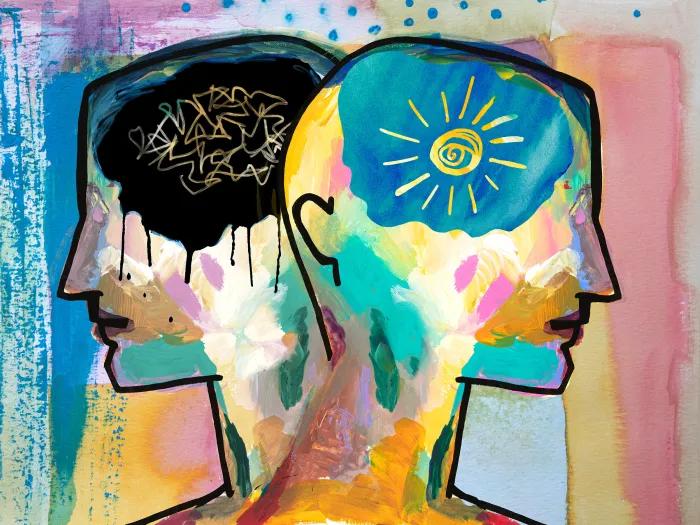
Bipolar disorder linked to early death more than smoking
People with bipolar disorder have a higher risk of early death than people who smoke, and more efforts to improve detection and care are needed.
Health Lab
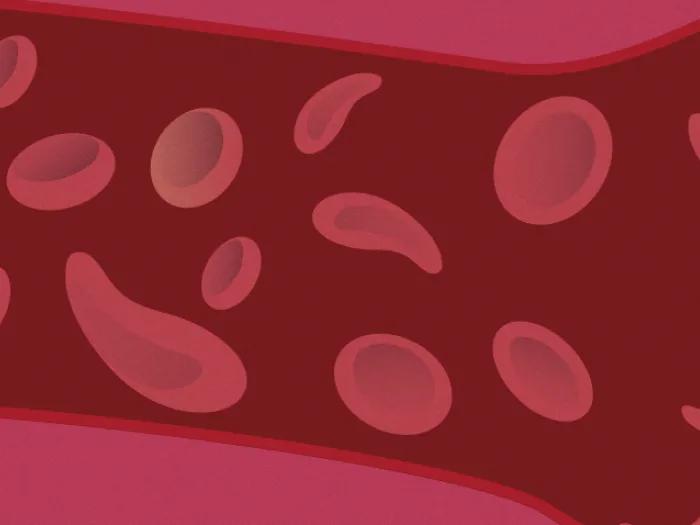
Most babies with sickle cell disease face double disadvantage
Babies born with sickle cell disease face social inequality as well as a lifelong chronic disease that is often undertreated with proven drugs.

Health Lab
Genetic “protection” against depression no match for pandemic stress
By studying first-year college students’ experiences and backgrounds, scientists may have discovered a way to go beyond genetics to predict which students might be more or less vulnerable to stress-related depression.
