
Kara Gavin
Research and Policy Media Relations Manager
Gavin draws on more than 25 years of experience in communicating about science, medicine and health policy. She focuses mainly on the health services research done by members of the U-M Institute for Healthcare Policy and Innovation, who work to understand and improve the safety, quality, equity and affordability of health care. As part of the Michigan Medicine communication team, she has lead responsibility for primary care and mental health topics. Contact: [email protected]; Twitter: @Karag
Health Lab
COVID-19 hits older adults hardest; which ones want the updated vaccine?
Older adults face a higher risk of severe COVID-19, but an updated vaccine offers additional protection. A new poll shows which people over 50 are most likely to get it.

Health Lab
Cannabis & older adults: Poll looks at use, beliefs and risk
Many older Americans use cannabis products containing THC for a range of reasons, but a sizable percentage may be taking risks or facing potential addiction.

Health Lab
What will it take to make mental health coverage and care better?
Access to mental health care has lagged even as diagnoses have risen; new federal rules aim to increase insurance coverage of care.
Health Lab
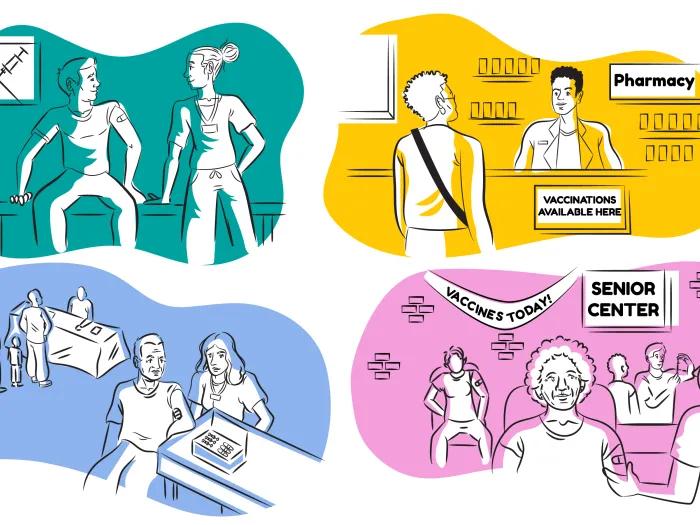
Vaccines: A few minutes now could spare you misery later
Adults, especially people over 65, should get immunized against COVID-19, flu and other infections, to prevent fall and winter illness, hospitalization and worse
Health Lab
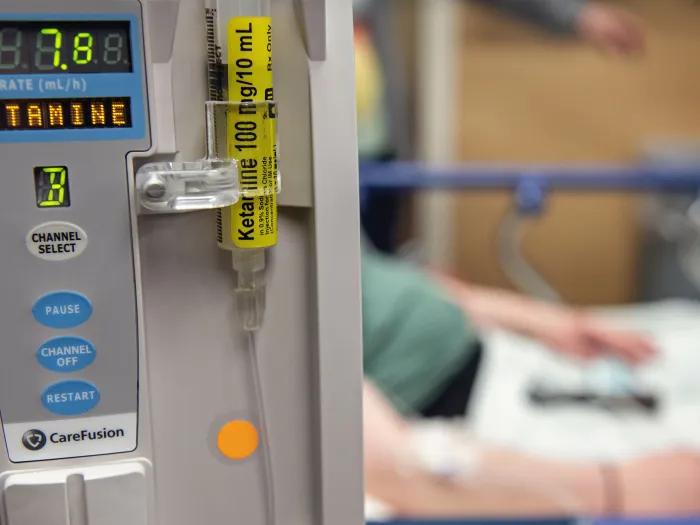
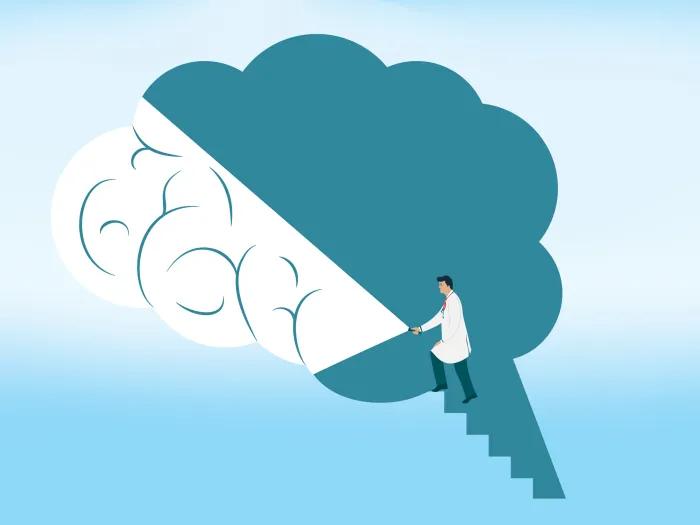
Ketamine clinics vary widely in pregnancy-related safeguards, study finds
Ketamine, whether given as an IV, a nasal spray or sublingual, may harm a developing fetus, but a study shows clinics vary greatly in handling patients who could become pregnant during treatment.
Health Lab
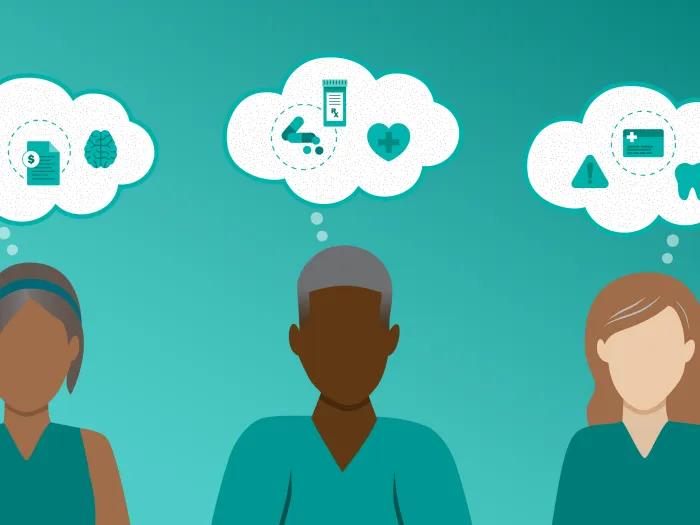
Same person. Different place. Twice the odds of a dementia diagnosis
Dementia risks vary by person and by population. But a new study shows diagnosis of the disease varies by region even after those differences are taken into account.
Health Lab
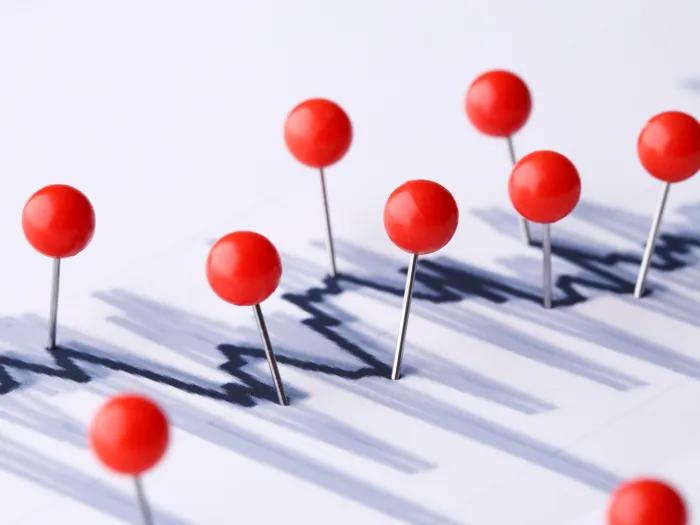
As election approaches, national poll shows which health topics concern older adults most
Health care costs of different kinds, and financial scams, are top of mind for people age 50 and older going into the November election.
Health Lab
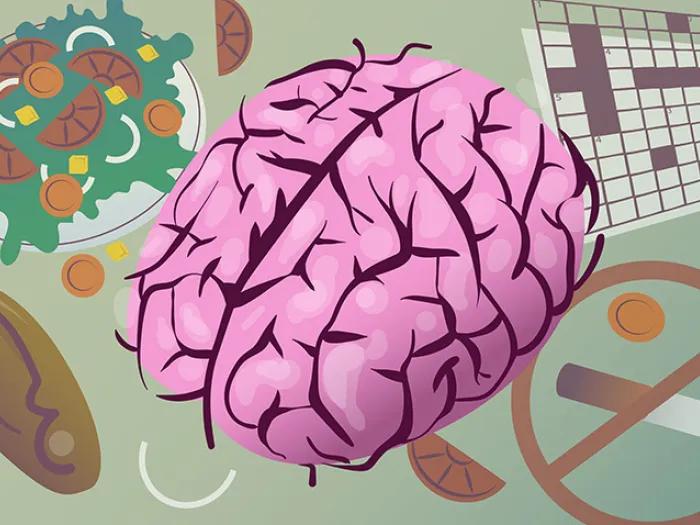
A new way to measure bipolar disorder
For people with bipolar disorder, a new way to measure the impact of treatment may be to measure the size of the “spikes” in their measures of mood and mania

Health Lab
How did mental health parity laws affect new moms?
Mental health parity was a goal of two major laws more than a decade ago. A study shows they helped increase care and reduce cost for pregnant and postpartum women, but there are still gaps.
Health Lab
11 ways to reduce your risk of dementia
Learn how to take care of your brain health from several experts who share practical tips to maintain healthy brain habits throughout your lifespan.
Health Lab
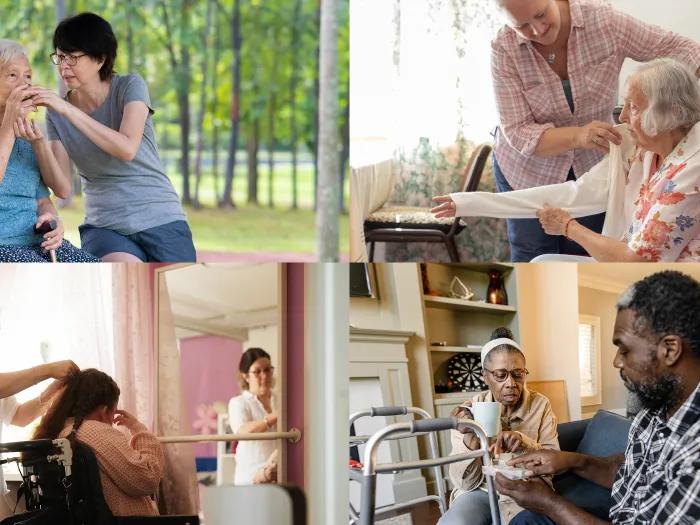
Caregiving: Poll reveals who’s providing care and who they’re caring for
Caregivers are more likely to be in their 50s and early 60s, female and believe the government should take the lead on the cost of caring for older adults.
News Release
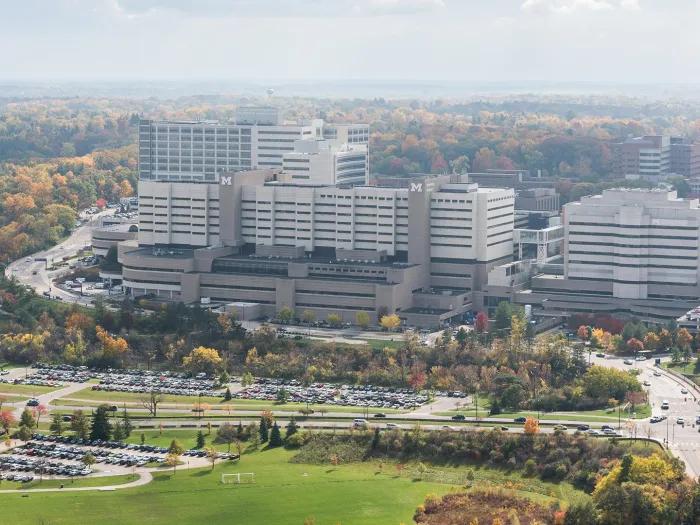
U-M care gets top marks from national hospital rating system
University of Michigan Health's Ann Arbor hospitals and health centers have received the top ranking of five stars from the Center for Medicare and Medicaid Services for quality, safety, timeliness and value, for the sixth consecutive time.
Health Lab
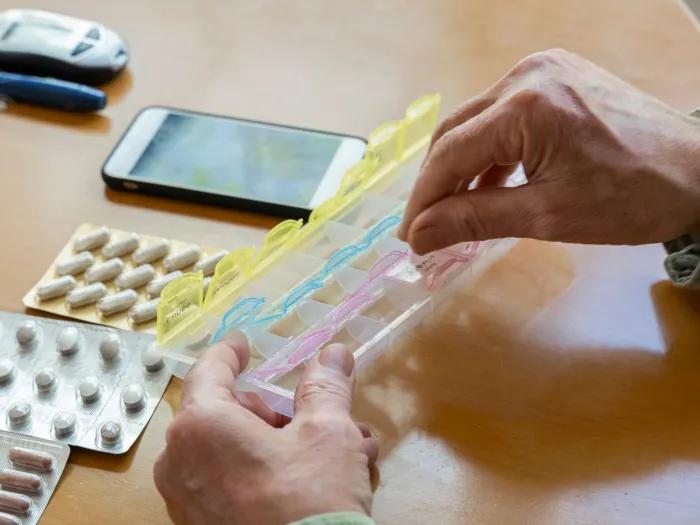
Older adults want to cut back on medication, but study shows need for caution
The idea of deprescribing is popular among older adults who take prescription drugs, especially those taking medication for symptomless conditions like high blood pressure.
Health Lab
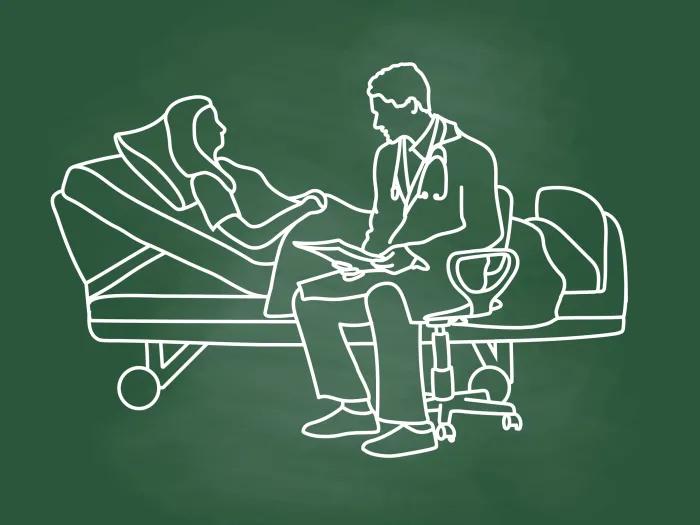
Have a seat, doctor: Study suggests eye level connection makes a difference in hospitals
When doctors sit at hospitalized patients’ bedsides, it can have a more positive impact than if they stand, a review of data suggests – but a new study seeks to find out for sure.
Health Lab
Bipolar disorder and alcohol: It’s not as simple as 'self-medication'
People with bipolar disorder have a high risk of alcohol use issues, which have been seen as “self medication,” but a study shows that changes in drinking predict worse symptoms.
