
Kara Gavin
Research and Policy Media Relations Manager
Gavin draws on more than 25 years of experience in communicating about science, medicine and health policy. She focuses mainly on the health services research done by members of the U-M Institute for Healthcare Policy and Innovation, who work to understand and improve the safety, quality, equity and affordability of health care. As part of the Michigan Medicine communication team, she has lead responsibility for primary care and mental health topics. Contact: [email protected]; Twitter: @Karag
Health Lab
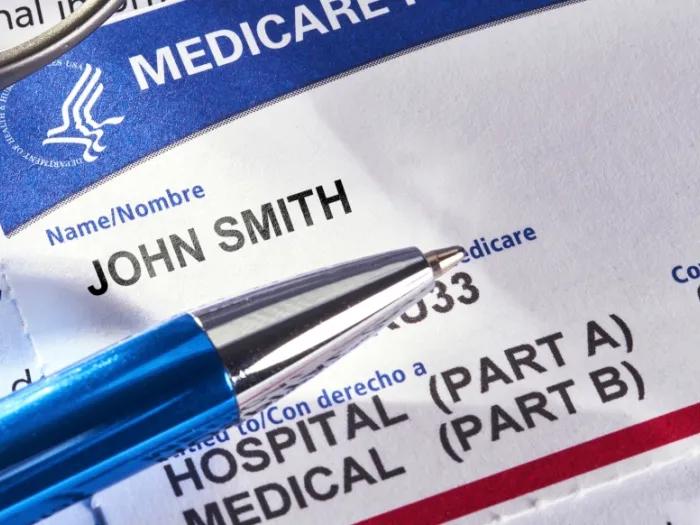
How did health insurance coverage changes affect older adults?
Two University of Michigan studies show how past policy decisions have affected older Americans with modest or low incomes.
News Release
Eight U-M researchers win PECASE awards
Three U-M medical researchers, and five others from the U-M faculty, have received one of the nation's top honors for scientists and engineers, as announced by the White House.

News Release
“An example worthy of imitation”: U-M Medical School marks 175th anniversary
A yearlong celebration of the 175th anniversary of the opening of the U-M Medical School will highlight and examine aspects of the history of U-M’s entire academic medical center
Health Lab
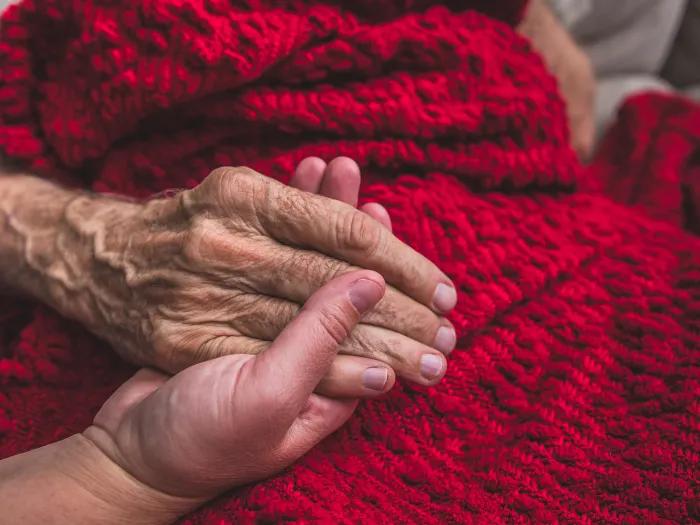
What experts wish more people knew about hospice and other end-of-life care
Hospice, palliative care, end-of-life decisions, long-term care insurance and durable power of attorney are all things people with serious health issues should think about.
Health Lab
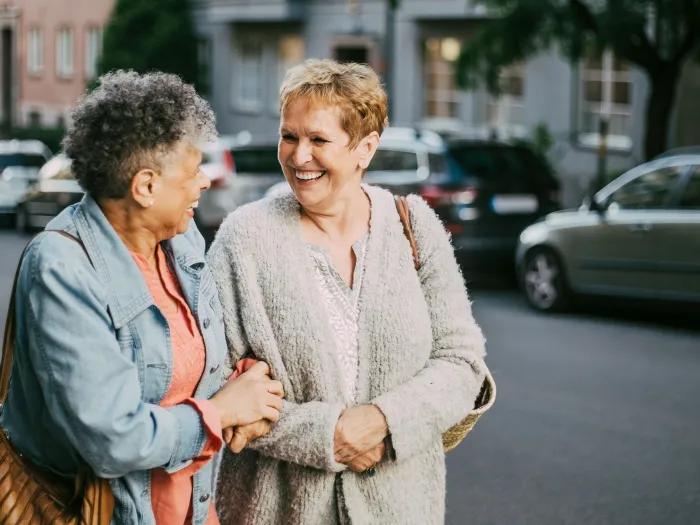
Older adults’ health may get a little help from their friends
Close friendships include help with health-related advice or support for people over 50, but those with major mental or physical health issues have fewer close friends.

Health Lab
1 in 3 older adults still experience loneliness and isolation
Rates of loneliness and social isolation in older people have declined from pandemic highs, but are still a problem especially for those with mental or physical health issues or disabilities.
Health Lab
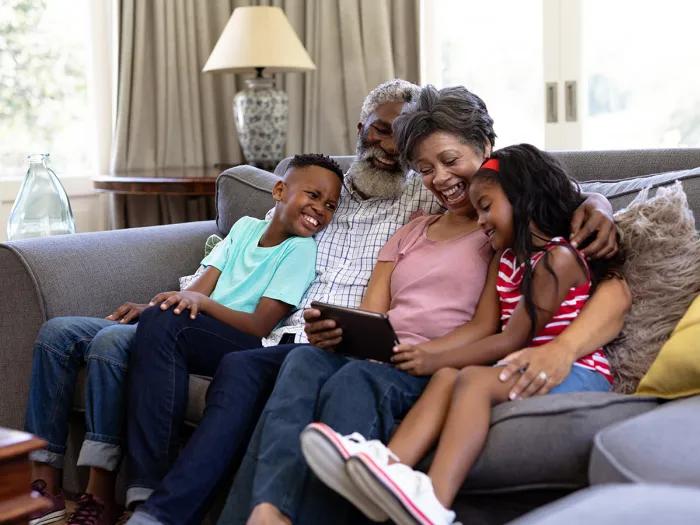
Grandparents help grandkids in many ways – but the reverse may be true too
A poll shows the many ways (childcare, nutrition, major expenses) that grandparents help their grandchildren, but also suggests a link to older adults’ sense of isolation and their mental health.
Health Lab
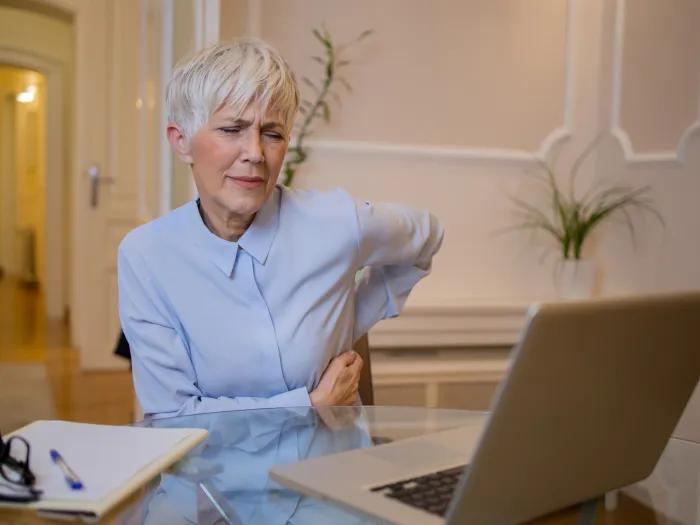
Does virtual care mean low-value care? Study says no
The rise of telehealth has come with concerns that it could encourage use of low-value care that’s not needed. But a study suggests this hasn't happened.

Health Lab
Medicare has a revolving door, study suggests
Medicare Advantage vs traditional Medicare is an annual Open Enrollment decision, and a new study looks at how many older adults revolve between the two.
News Release
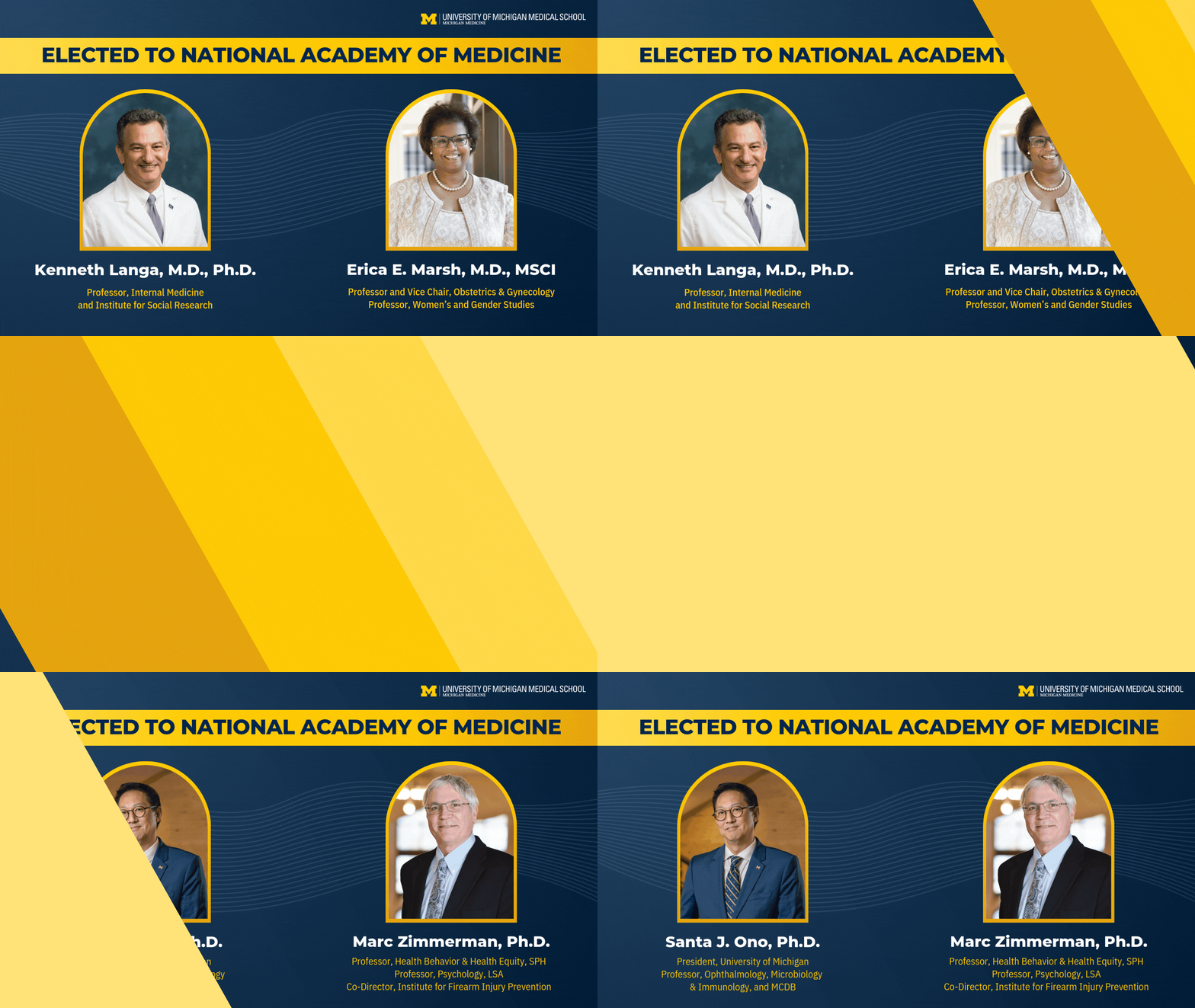
Four U-M faculty elected to National Academy of Medicine
Four of U-M's top health and medical researchers have been chosen for one of the nation's top honors.

Health Lab
Misinformation, AI & health: Poll reveals older adults’ worries
Health information generated by artificial intelligence, or created as misinformation, worries older adults, a poll shows.
Health Lab
Don’t choose health insurance for 2025 until you read this
Health insurance choices for 2025 have changed for Medicare, healthcare.gov and employer plans, and costs have too. An update on what’s most important to consider.
Health Lab
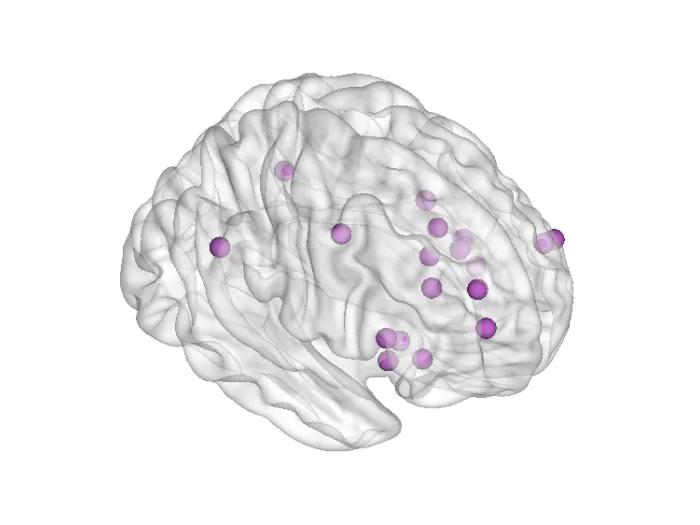
Brain network study reveals clues about dementia’s behavior changes
Dementia doesn’t just erode memory – it also changes behavior and mental health. A new study shows the brain’s salience network and tau protein may be involved.
Health Lab
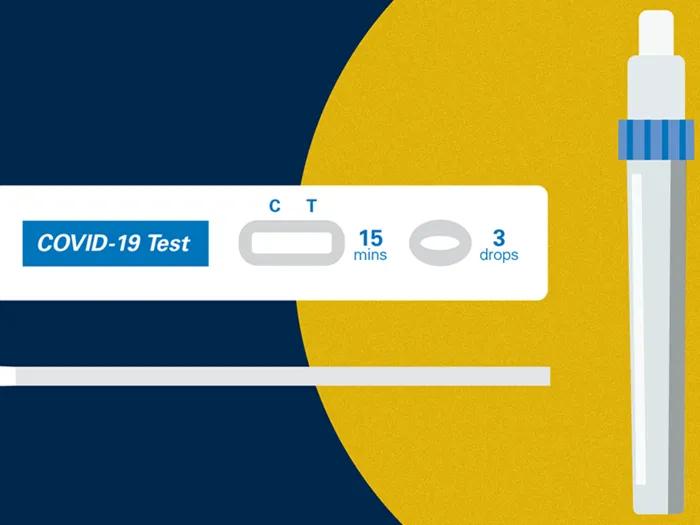
Big gaps seen in home medical test use by older adults
At-home medical diagnostic and screening tests for COVID-19 and many other conditions are now available; a new study shows disparities in use of these direct-to-consumer tests.
Health Lab
The heart of the question: Who can get Medicare-covered weight loss medicine?
Wegovy (semaglutide) now has Medicare approval for coverage among people with obesity and cardiovascular disease but no diabetes; a study looks at what level of risk might make someone eligible.
