
Kara Gavin
Research and Policy Media Relations Manager
Gavin draws on more than 25 years of experience in communicating about science, medicine and health policy. She focuses mainly on the health services research done by members of the U-M Institute for Healthcare Policy and Innovation, who work to understand and improve the safety, quality, equity and affordability of health care. As part of the Michigan Medicine communication team, she has lead responsibility for primary care and mental health topics. Contact: [email protected]; Twitter: @Karag

Health Lab
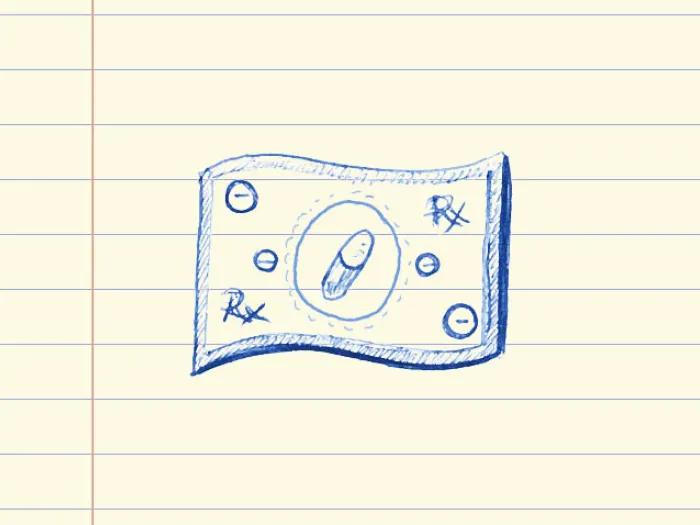
Costs Getting in the Way of Care: 20 Years Later
Twenty years ago, research on the health impacts of being uninsured helped build the momentum that led to the Affordable Care Act. But new research shows that accessing care is still unaffordable for many, even after the ACA.
Health Lab
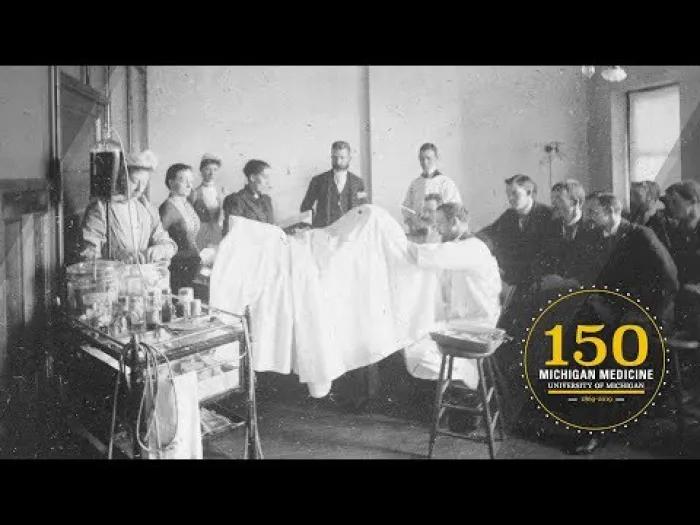
How Academic Medical Centers Came to Be
Institutions, called academic medical centers, combine patient care, medical and health sciences education and biomedical research. A brief history of their origins at the University of Michigan.

Health Lab
Rise of the Robots: Study Shows Rapid Increase in Surgeons Opting for Robotic Help
Surge in robotic surgery in 2010s outpaces the evidence for its effects on patients and costs, researchers warn.

Health Lab
Overdose Rates Are Higher, but Opioid Addiction Care Is Harder to Find in Medicaid Work Requirement States
Medicaid work requirements often offer exemptions for people in addiction recovery or with a substance use disorder diagnosis. But addiction treatment may be scarce in these states, especially for opioid addiction.

Health Lab
Helping Patients Prep Mind and Body for Surgery Pays Off, Study Suggests
Surgical prehabilitation program that encouraged health risk reduction and positive psychology was associated with lower length of stay and costs after operations of high-risk patients.

Medicine at Michigan
$10M from Tam Foundation
Gift will expand and harness the power of massive data to help bipolar patients
Medicine at Michigan
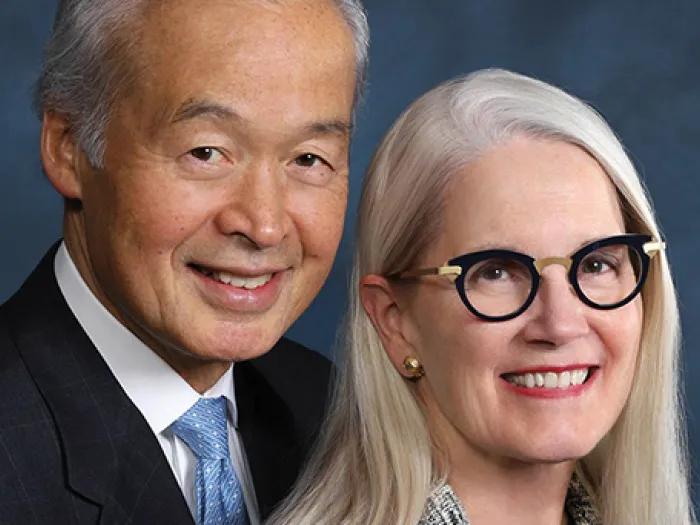
$10M Gift Will Fuel U-M Efforts to Improve the World’s Health
Tadataka and Leslie Yamada’s gift will establish the U-M Center for Global Health Equity
Health Lab
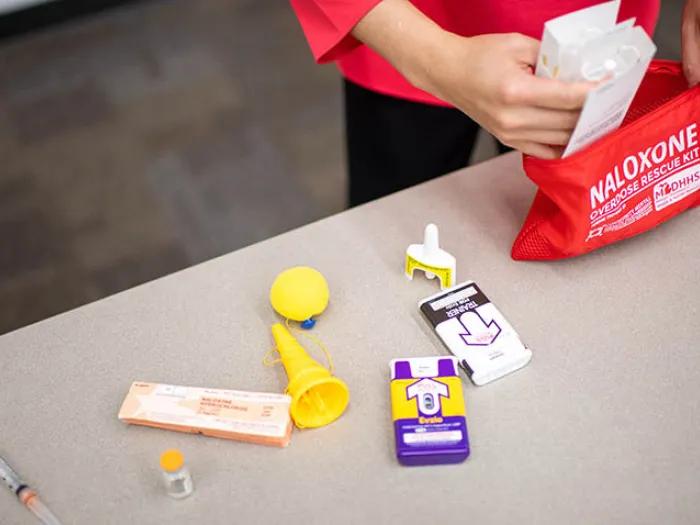
This Drug Could Save Their Lives, But Less Than 2% Get It
Prescribing guidelines recommend the opioid overdose rescue drug naloxone for anyone taking high-dose prescription opioids, overdose survivors and people with opioid addiction. A new study shows few receive it.

Health Lab
Older Adults Use Online Physician Ratings, but View Them Cautiously, Poll Shows
Online reviews giving recommendations about doctors are viewed by older adults looking to choose a physician, but they factor them in with word-of- mouth reputation and more.
News Release
Three in one: How academic medical centers came to be
Today, we take them for granted. Huge university medical centers, filled with patients who travel miles to receive care that’s available nowhere else, from teams of highly specialized clinicians.
News Release
U-M Life Sciences Orchestra kicks off 20th season with a free concert on January 12
Twenty years ago, a musical experiment started on the University of Michigan campus. A group of amateur musicians, all of them working or studying in medicine and science, put out the word that they wanted to form an orchestra for people like them.
News Release
Michigan Medicine kicks off celebration of 150th anniversary
One hundred and fifty years ago this month, something extraordinary happened at the University of Michigan. Its effects have reverberated down through history – not only on the campus, but across the state and nation.
Health Lab
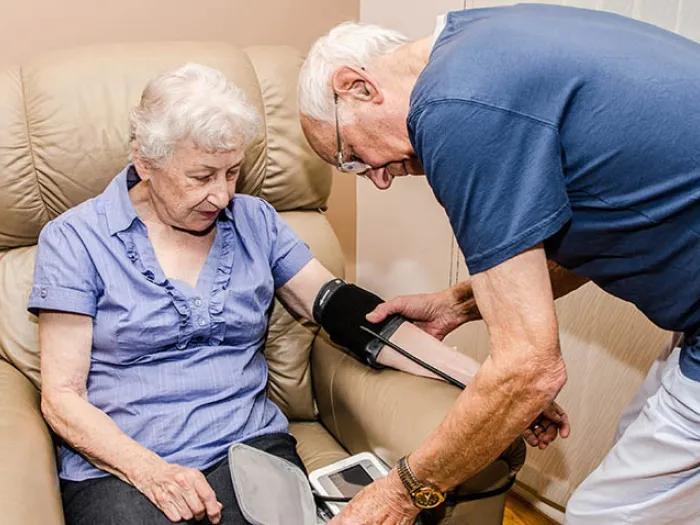
In Sickness and in Health: Study Looks at How Married Couples Face Chronic Conditions
Older married couples facing multimorbid chronic diseases experienced a rise in depression symptoms over time if those conditions required different types of preventive care or risk reduction.

Health Lab
Medicaid Expansion Doubled Access to Primary Care and Increased Attention to Health Risks in Low-Income Michiganders
Medicaid expansion in Michigan emphasized primary care and prevention, and based financial incentives for enrollees on examining health risks and engaging in healthy behaviors. Two new studies look at the results.
Health Lab
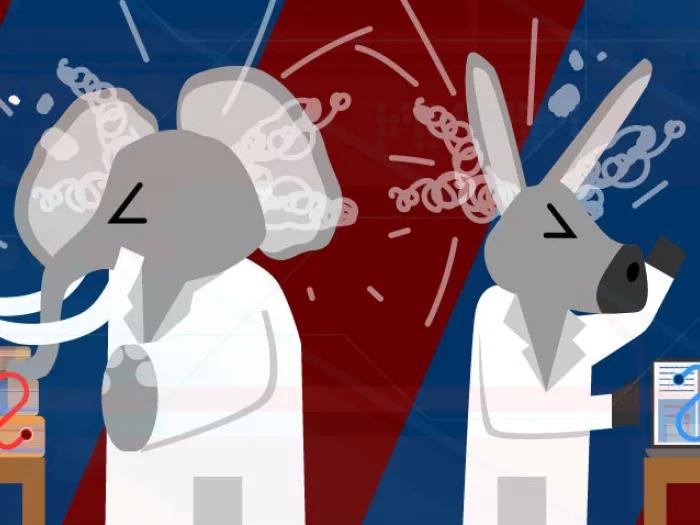
How Does Political News Affect Moods? New Study in Young Doctors Shows Real-time Effects
Major political events including the 2016 election and 2017 inauguration affected the moods of medical interns, while other major events in the same years did not, signaling a politically aware generation of young physicians.
