
Kara Gavin
Research and Policy Media Relations Manager
Gavin draws on more than 25 years of experience in communicating about science, medicine and health policy. She focuses mainly on the health services research done by members of the U-M Institute for Healthcare Policy and Innovation, who work to understand and improve the safety, quality, equity and affordability of health care. As part of the Michigan Medicine communication team, she has lead responsibility for primary care and mental health topics. Contact: [email protected]; Twitter: @Karag
Health Lab
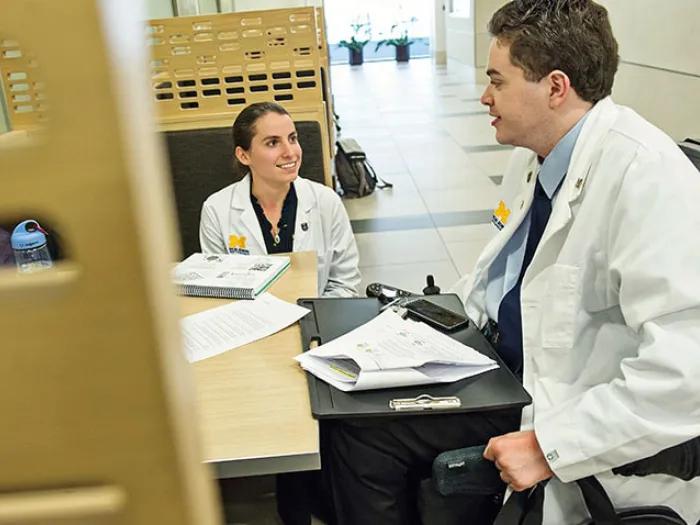
More Medical Students Are Disclosing Their Disabilities, and Schools Are Responding, Study Finds
Disability disclosures by medical students to medical schools have increased, as have accommodations for conditions ranging from attention ones like deficit disorder and depression to hearing impairment.
News Release
14 Medical School faculty named AAAS fellows
The University of Michigan led the nation with 22 faculty members -- 14 of them affiliated with the U-M Medical School -- elected as 2019 fellows of the American Association for the Advancement of Science.

Health Lab
Middle-Aged Americans & Dementia Risk: Lots of Worry, Not Enough Proven Prevention
Nearly half of older Americans think they may develop dementia, but few have asked their doctor about it.
Health Lab
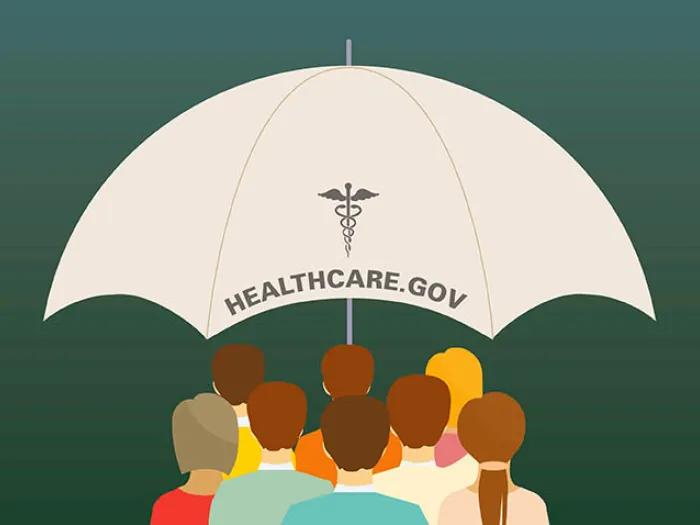
Health Insurance for 2020: What You Need to Do Now During Open Enrollment
Open enrollment tips for buying health insurance through the Obamacare marketplace on healthcare.gov.
News Release
U-M and MDHHS launch a one-stop website to guide safe pain treatment across Michigan and beyond
No matter where in Michigan they are, people in pain will soon have a chance to get effective care with less risk of opioid-related problems, thanks to a new website launched by the CDC-funded University of Michigan Injury Prevention Center and the state Department of Health and Human Services.
Health Lab
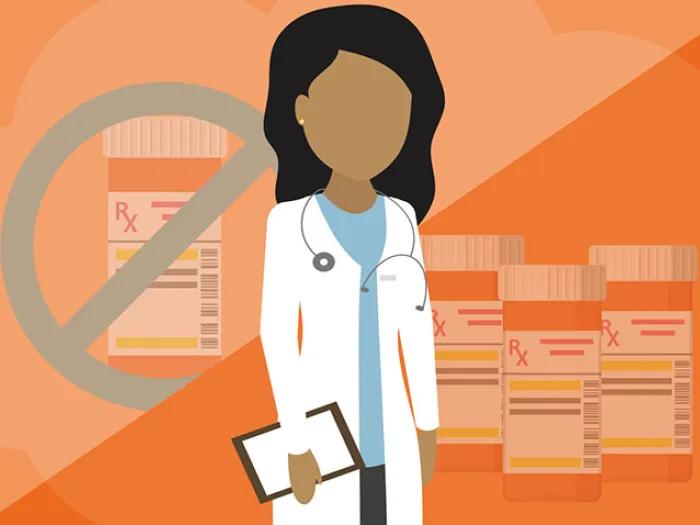
Poll Reveals Risky Antibiotic Use by Older Adults, and Opportunities to Improve Prescribing
A new Healthy Aging Poll finds many older adults say they take leftover antibiotics without physician guidance, despite awareness of antibiotic resistance risks.
News Release
Everyone who works in health care needs to know about opioids – and a free new online course from U-M can help
Even if they never write a single prescription for an opioid painkiller, or care for someone who has overdosed on heroin or fentanyl, people who work in every area of American healthcare need to understand how the opioid epidemic is affecting their patients, their families and their communities, and how to prevent new cases of opioid addiction.

Health Lab
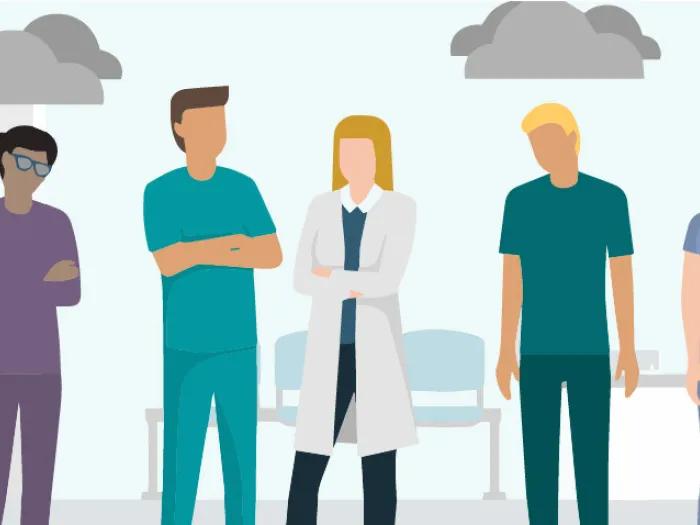
In the Long Run, Drugs & Talk Therapy Hold Same Value for Depression Patients
Treating newly diagnosed depression patients with antidepressants or cognitive behavioral therapy, or “talk therapy”, is roughly equal in cost and benefit when measured over the long term of five years.
Health Lab
Who Gets Depressed Under Intense Stress? Genetic Risk Prediction Shows Promise
Medical residents called interns serve as a test population to show the promise of a predictive genetics tool called a polygenic risk score in depression risk and resilience.
News Release
Across Michigan this Saturday, a chance to get risky medications out of homes and into safe disposal
People across Michigan can dispose of unneeded medications this Saturday at more than 80 locations across 46 Michigan counties and in northern Indiana that have partnered with a U-M team that's working to fight a national epidemic prescription drug misuse and abuse, and reduce the risk of accidental poisoning and overdose.
News Release
Three U-M faculty elected to National Academy of Medicine, one of nation’s highest honors for health researchers
Three University of Michigan professors are among 100 U.S. and international researchers elected today to the National Academy of Medicine. Rebecca Cunningham, M.D., James Dalton, Ph.D., and Gabriel Nuñez, M.D. join 53 other current and emeritus U-M faculty, and living former faculty, in the prestigious society.
News Release
$10M gift from Tadataka and Leslie Yamada will fuel U-M efforts to improve the world’s health
Now, thanks to a new $10 million gift from Tadataka Yamada, M.D. and Leslie D. Yamada, those teams will have new resources to think even bigger, work together and with global partners more effectively, and make a greater positive impact on the health and health care of people with the greatest need worldwide.

Health Lab
National Focus on Overdose Prevention Should Include Alcohol Too, Study Suggests
A new Michigan Medicine study found that overdose prevention should include a focus on alcohol overdoses.

Health Lab
Recent Sharp Rise in Firearm Deaths Seen Across Most States
New research finds gun death rates have risen sharply in recent years, but with variation across states and demographic groups in the country.

Health Lab
Research on Firearm Injuries to U.S. Children Gets 30 Times Less Funding Per Death than Other Causes
A new study reveals a significant under-funding of research in the U.S. on firearm injuries in children.
