
Kara Gavin
Research and Policy Media Relations Manager
Gavin draws on more than 25 years of experience in communicating about science, medicine and health policy. She focuses mainly on the health services research done by members of the U-M Institute for Healthcare Policy and Innovation, who work to understand and improve the safety, quality, equity and affordability of health care. As part of the Michigan Medicine communication team, she has lead responsibility for primary care and mental health topics. Contact: [email protected]; Twitter: @Karag


Health Lab
What Can Hospitals Do to Prepare for COVID-19 Cases?
Hospital preparedness for COVID-19 cases caused by coronavirus has to happen now, including preparation for bed capacity increases and use of scarce resources.
Health Lab
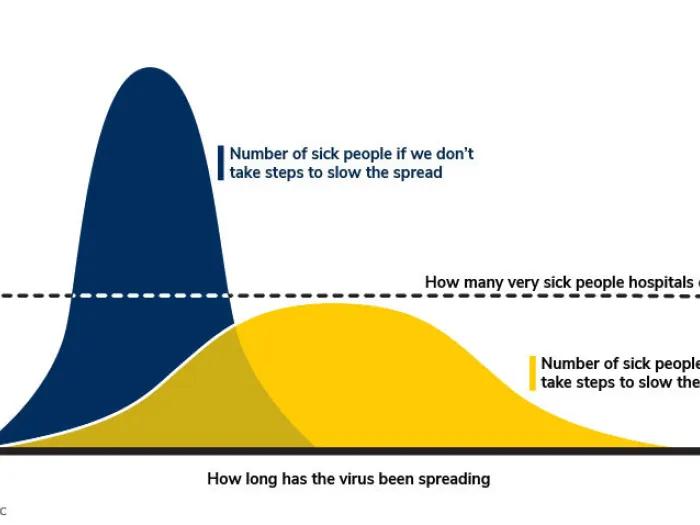
Flattening the Curve for COVID-19: What Does It Mean and How Can You Help?
History shows that taking strong steps now to slow the spread of coronavirus will help communities and individuals.
News Release
U-M science teams need public's help to advance to the Sweet 16 round of the STAT Madness tournament
Three Michigan Medicine-led projects have advanced to the second round of STAT News’ annual STAT Madness competition — a bracket-style tournament to find the best innovations in science and medicine

Health Lab
Hail to the Handwashers! A Musical Guide to Handwashing
There's an extra "song" after Hail to the Victors that you can delete. And I think you can delete 'properly' before "use hand sanitizer" . is thatenough?

Health Lab
ACA Helped Make Health Insurance Access More Equal, But Racial and Ethnic Gaps Remain
The Affordable Care Act (ACA) helped close the gap in un-insurance rates among people of color and white Americans, but disparities remain.

Health Lab
Confused About Michigan’s New Medicaid Work Requirement? Read This
Medicaid expansion work requirements in Michigan mean Healthy Michigan Plan members should pay attention to new rules.
News Release
Three shots at glory: U-M biomedical research picked for STAT Madness tournament
College basketball fans have March Madness. But for fans of medical research, there’s nothing like STAT Madness, an online tournament of science run by the STAT health news organization.

Health Lab
Carrots Plus Sticks: What Works to Reduce Low Value Care
Vitamin D testing is low value for most patients. A study in the United States and Canada shows the effects of payment vs. Choosing Wisely guidelines to reduce use.
Health Lab
Emergency Department Patients May Care Less About a Doctor’s Race and Gender Than Previously Thought
Black or white, man or woman, providers got similar satisfaction and confidence scores from simulated patients in new research with implications for quality reporting.

Health Lab
Can’t Resist Tempting Food? Scientists Explore Why
Animal-based neuroscience research on the parts of the brain involved in responding to food cues may inform understanding of human overeating and addiction

Health Lab
“Leaky” Primary Care Means Higher ACO Costs
Accountable Care Organizations aim to save Medicare system money while improving care, but patients who go out of network for primary appointments may see higher costs.

Health Lab
1 in 5 Operations May Lead to “Surprise” Bills – Even When In-Network, Study Finds
Surprise billing for common operations may happen to 1 in 5 patients, even when the surgeon they chose for their surgery is in-network for their health insurance.

Health Lab
Middle-Aged Adults Worried About Health Insurance Costs Now, Uncertain for Future
Health insurance costs weigh heavily on many people in their 50s and early 60s, and even more are concerned about affording healthcare when they retire.
Health Lab
What’s Threatening Access to a Key Tool in Fighting the Opioid Epidemic?
Buprenorphine is an effective treatment of opioid use disorder, including addiction to painkillers and heroin. A bill in Congress aims to close a legal loophole that affects products containing it.

Health Lab
Jump in Employment Seen Among Medicaid Expansion Enrollees, Especially the Most Vulnerable
Low income people enrolled in the Healthy Michigan Plan, a Medicaid expansion program, experienced a rise in employment and student status larger than the statewide average.
