
Health Lab Articles

Health Lab
Kidney transplant recipient celebrates 10 year anniversary at Transplant Games
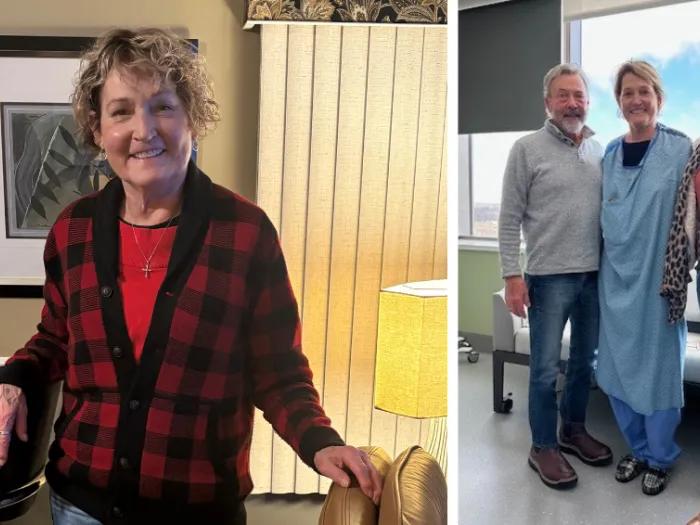
University of Michigan Health Transplant Center and U-M Health-Sparrow patient, Tami Skok is celebrating the 10-year anniversary of her kidney transplant by participating in the Transplant Games. She will be honoring her donor and his family as she represents Team Michigan.
Health Lab
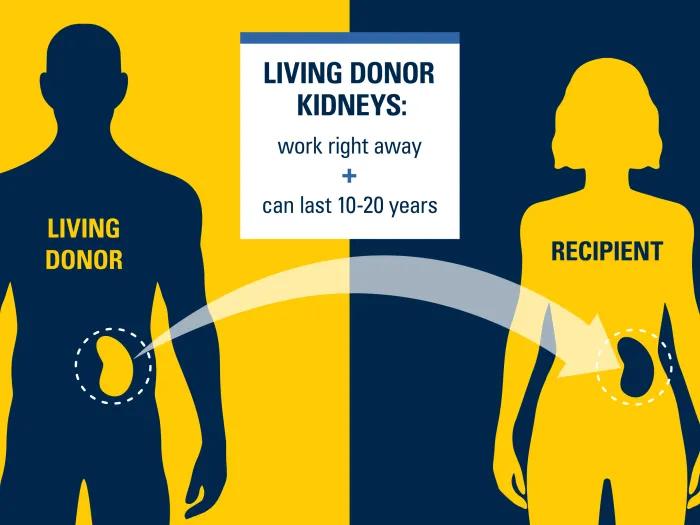
Making a difference with living donor kidney organs
The importance of kidney transplant from living donors, explain transplant specialists.

Health Lab
Medicaid expansion helped enrollees’ long term financial health, study finds
Now, a new University of Michigan study shows that enrolling also had a positive and long-lasting impact on the financial health of its first enrollees.

Health Lab
5 strategies to stop infertility from stressing your relationship
Explore these tips for managing the stress that comes with infertility from Lindsay Brennan, LMSW, CST, a clinical social worker with the Michigan Medicine Center for Reproductive Medicine.

Health Lab
Lower firework age restrictions leads to increase in pediatric hand injuries
Loosened firework restrictions across individual states creates an opportunity for minors to suffer serious injuries.

Health Lab
Severe strokes linked to 5 times higher dementia risk
As stroke severity increases, the risk of progressive cognitive decline and dementia substantially rises, according to a national study led by Michigan Medicine researchers.
Health Lab
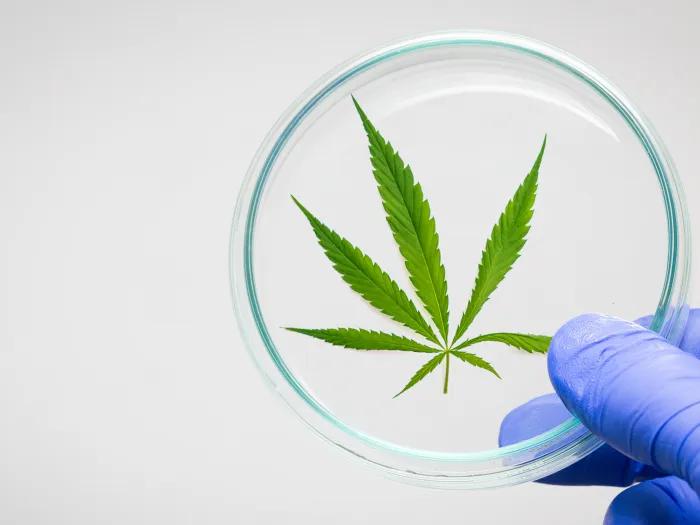
What does cannabis 'rescheduling' mean for science and society?
Medical cannabis (marijuana) has been rescheduled on the federal level, which could open the door for much more research than was possible before. Four Michigan Medicine experts comment.
Health Lab
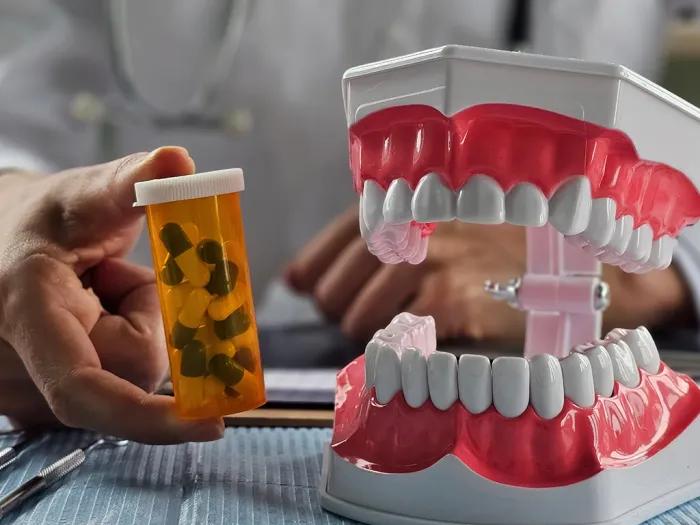
Opioids for dental pain still more common in U.S.
A Michigan Medicine study finds that the U.S. outside Puerto Rico still has a high rate of dental opioid pain medication prescription filling compared with other developed nations, despite steep drops in recent years because of guidelines spurred by the opioid crisis.
Health Lab
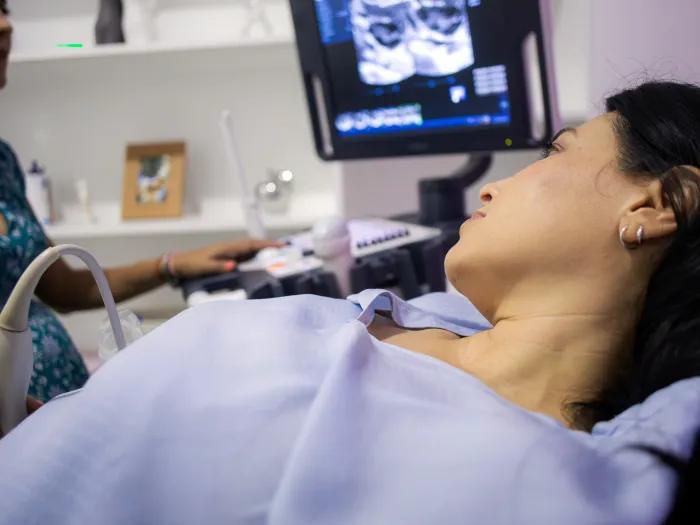
Study suggests fibroid rates in Latina women may be lower than previously thought
Uterine fibroids may be less common in Latina women than earlier estimates suggested, according to new research.
Health Lab
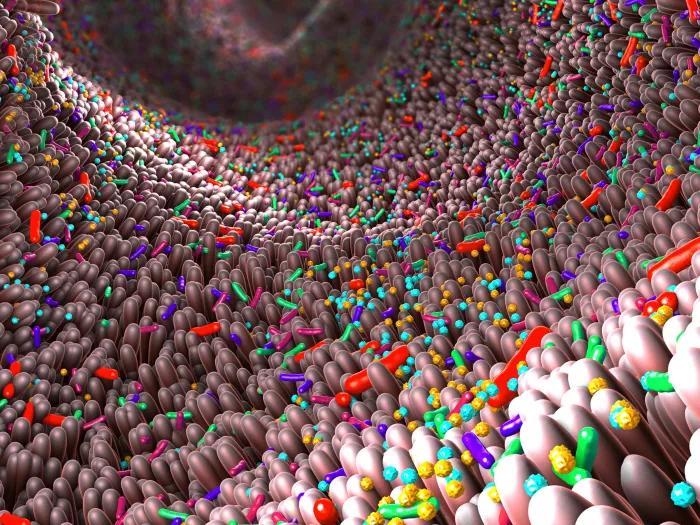
IBS treatment response predicted by gut microbiome in new study
A Michigan Medicine study finds the low FODMAP diet and the antibiotic rifaximin provided similar and significant relief for patients with irritable bowel syndrome with diarrhea (IBS-D).
Health Lab
Fighting rejection antibodies to make heart transplant possible
A woman who spent more than a decade with life-threatening heart rhythms received a transplant despite having high levels of antibodies that reject donor organs.

Health Lab
How donor eggs helped one couple build the family they always hoped for
After learning her chances with her own eggs were low, a Michigan mom turned to donor egg IVF at the U-M Health Center for Reproductive Medicine.

Health Lab
Is there a "cliff effect” in physical activity after high school?
One in three parents say their child ages 18 to 25 is minimally active or inactive, according to the University of Michigan Health C.S. Mott Children’s Hospital National Poll on Children’s Health.
Health Lab
What causes infertility? A doctor answers common questions and clears up misconceptions
For fertility, timing and age to stress and lifestyle all play a factor. Here, a Michigan Medicine fertility doctor explains what impacts your chances of getting pregnant and when to get help.
Health Lab
A physician discusses the future of kidney transplantation
Silas Norman, M.D., University of Michigan Health Associate Transplant Center Director, talks about how U-M Health is participating in the Increased Organ Transplant Access (IOTA) model to ensure the ongoing success of its Kidney Transplant Program, one of the most advanced programs in the nation.
