
Health Lab Articles

Health Lab
An online intervention can help cancer patients share genetic testing results with family
Katz and colleagues developed a web-based intervention to educate people with cancer about the impact genetic variants can have on their family.

Health Lab
Surviving sepsis: New guidelines harness life saving evidence for treating adults
An updated clinical guideline for treating sepsis in adults emphasizes pre-hospital care and judicious use of antibiotics and antifungals

Health Lab
The algorithm will see you now? Patients say not without a doctor nearby
Researchers at the University of Michigan and Michigan State University found that U.S. adults were significantly more likely to trust in and choose medical AI in scenarios with better AI performance, U.S. Food and Drug Administration approval, national and local certifications, the presence of a clinician, and the use of representative data.

Health Lab
Bringing awareness to cerebral palsy through Dallas Cowboys Cheerleader boots
Two-year-old Ava Young was diagnosed with cerebral palsy as an infant. With the help of physical and occupational therapy, she has been able to make substantial progress when it comes to developing her fine motor skills. In addition to the support from her therapies, Ava also has the support of her family. In the fall of 2025, her aunt featured cerebral palsy awareness on her Dallas Cowboy Cheerleaders boot.

Health Lab
Post-operative prescription-fill patterns differ amongst patients on high dose opioids
A team at University of Michigan Medical School noted a lack of evidence around prescription practices for patients who come to surgery on high doses of opioids for chronic conditions.
Health Lab
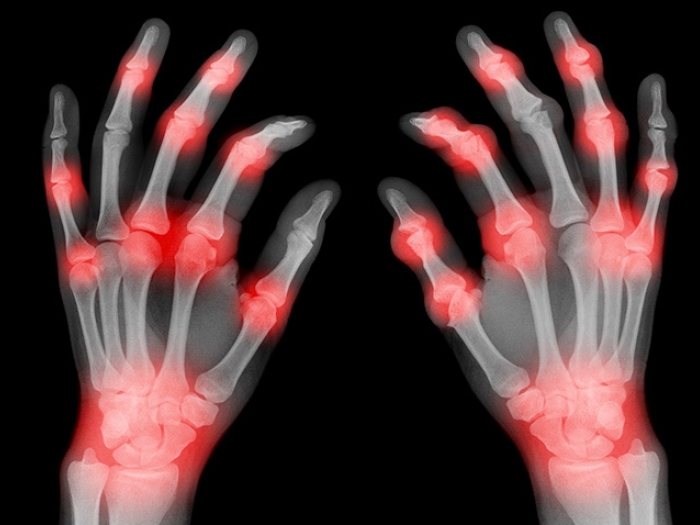
Treating arthritis of the hands
Arthritis of the hands, wrist and fingers can be unbearable, but a doctor says you don’t have to live in agony.

Health Lab
A new way to close the pediatric mental health gap
Innovative model successfully improves access to pediatric psychiatric health care, while training future pediatricians to manage common mental health conditions, new data suggests.
Health Lab
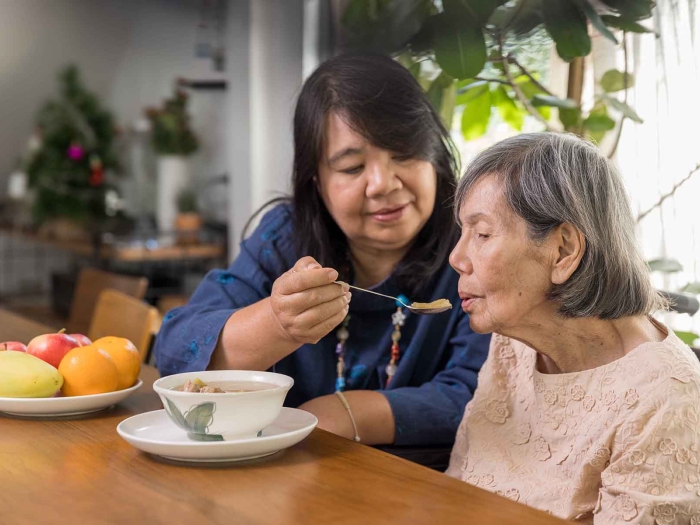
Caregiving without a net: Poll shows who needs help most
1 in 3 people over 50 act as caregivers to adult family members or friends, but a sizable percentage don't feel like they have the support they need, or don't know about or use programs like adult day care or respite care that could help them.

Health Lab
Complex connections among bipolar disorder, substance use and suicide
Discover how bipolar disorder, substance use and suicide risk intersect. Research, clinical and lived experience experts at Michigan Medicine share findings, treatment strategies, and personal insights.

Health Lab
Thoughts don’t kill people, but study suggests options for keeping guns from doing so
Firearm-related thoughts, and the potential for action to prevent people from acting on those thoughts impulsively, are the subject of a new nationally representative study.
Health Lab
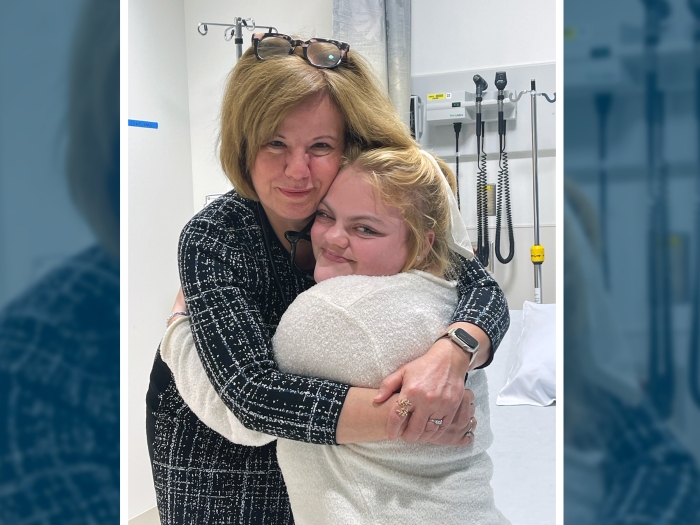
A unique patient case inspiring research
Mallory Mattison serves as the inspiration behind critical medical research that’s supporting other patients like her with lipodystrophy syndromes
Health Lab
Diagnosed with pancreatic cancer: Now what?
A pancreas cancer surgeon explains from Michigan Medicine how to find the best place for treatment, why that matters, and what to expect from the process.

Health Lab
Doctors perform first liver transplant in Michigan for colon cancer
Andrew Sweeney was diagnosed with stage 4 colorectal cancer at age 31 and underwent a liver transplant, chemotherapy and radiation treatment.

Health Lab
1 in 3 parents fear their teen or young adult could cause a crash
Motor vehicle crashes remain a leading cause of death for teens and young adults, yet many families may underestimate the risks close to home, suggests a new national poll.
Health Lab
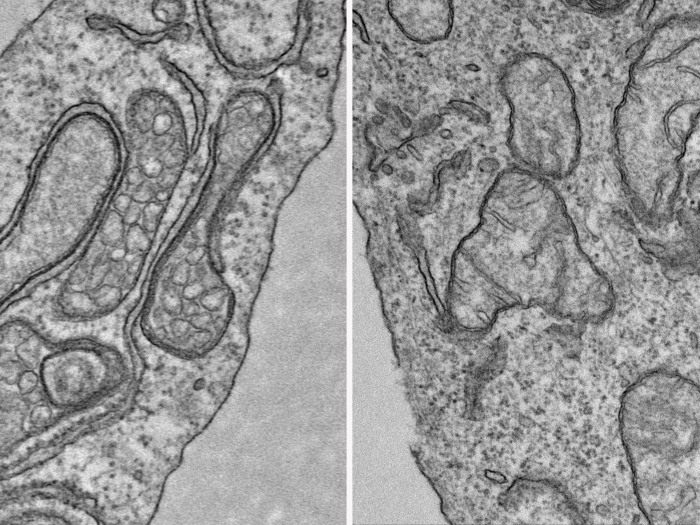
FDA-approved cancer drug fedratinib reshapes how cell organelles communicate, providing new therapeutic avenues
University of Michigan researchers found that the FDA-approved drug fedratinib can lead to endoplasmic reticulum and mitochondria contact site formation, providing a potential therapeutic avenue.
