
Health Lab Articles

Health Lab
How lifesaving care after teen’s sudden cardiac arrest made motherhood possible years later
Once revived after a sudden cardiac arrest at soccer practice as a teenager, a woman returns to the same care team more than a decade later to safely grow her family.

Health Lab
How to spot the signs of a heart arrhythmia
A Michigan Medicine electrophysiologist discusses heart arrhythmia, sharing what signs to look for and when to see your doctor.
Health Lab
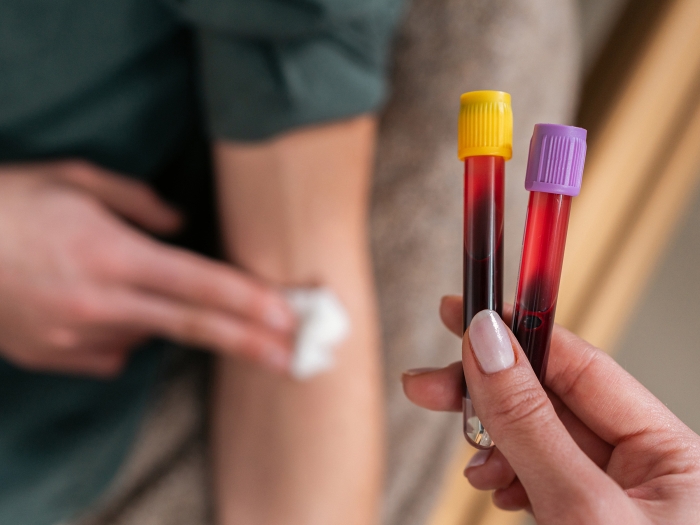
Using gene expression in blood to personalize care for APS
Antiphospholipid syndrome looks different in every patient. By using whole-blood RNA sequencing and machine learning, University of Michigan Health researchers reveal distinct immune patterns that may pave the way for personalized treatment.
Health Lab
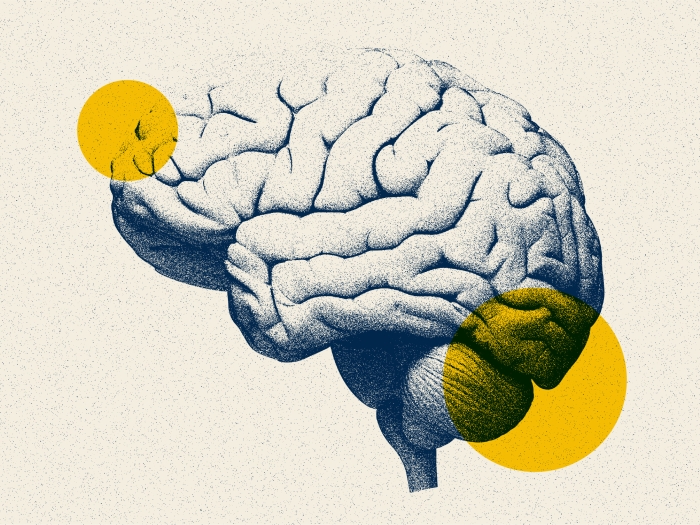
Itaconate identified as a new target for pediatric brain tumors called ependymomas
University of Michigan researchers have found that a specific molecule called itaconate drives the development of ependymomas, a pediatric brain tumor. Their findings can help future drug development for children with this type of malignant brain tumor.

Health Lab
An AI model that can read and diagnose a brain MRI in seconds
An AI-powered model developed at University of Michigan can read a brain MRI and diagnose a person in seconds, new research finds.
Health Lab
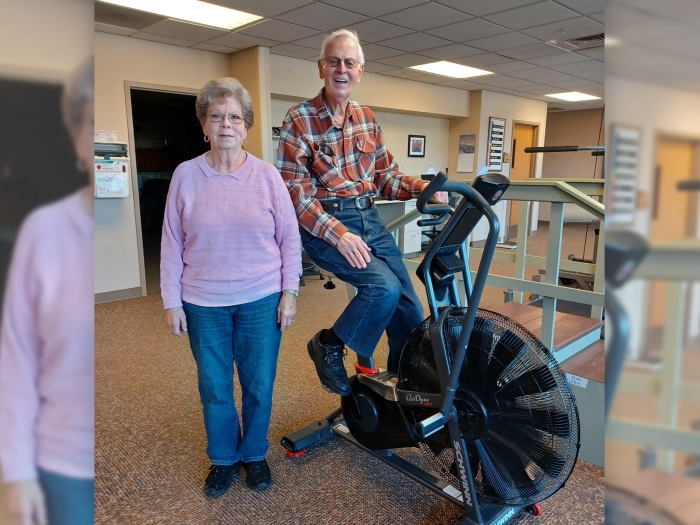
Rejected elsewhere, farmer gets new lease on life after double valve surgery
After being turned away elsewhere, an 88-year-old patient gets back to farming after receives an open heart surgery for two failing heart valves.

Health Lab
Extreme temperature changes increase number of out-of-hospital cardiac arrests, model finds
The University of Michigan has developed a machine learning model that’s discovered 17 environmental and social factors that can influence the risk of OHCA, including extreme temperatures, race, poverty and education levels.
Health Lab
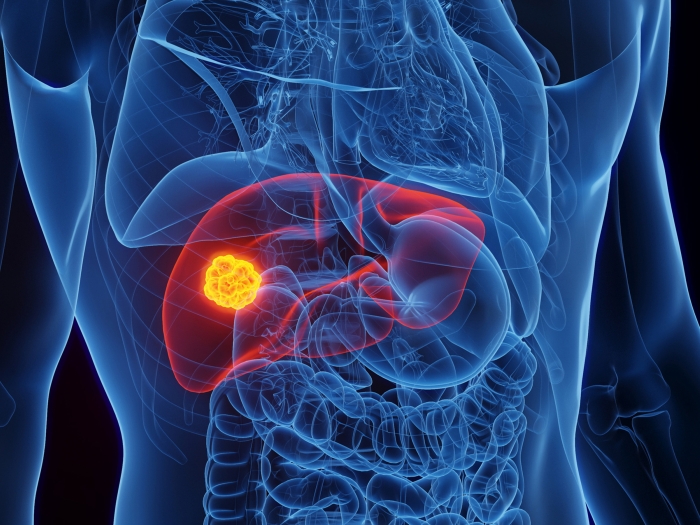
What to know about a benign liver cyst on your imaging results
Abdominal imaging may sometimes mark an alarming “benign-appearing cyst” on the liver, but a Michigan Medicine expert explains why many times you don't need to worry.
Health Lab
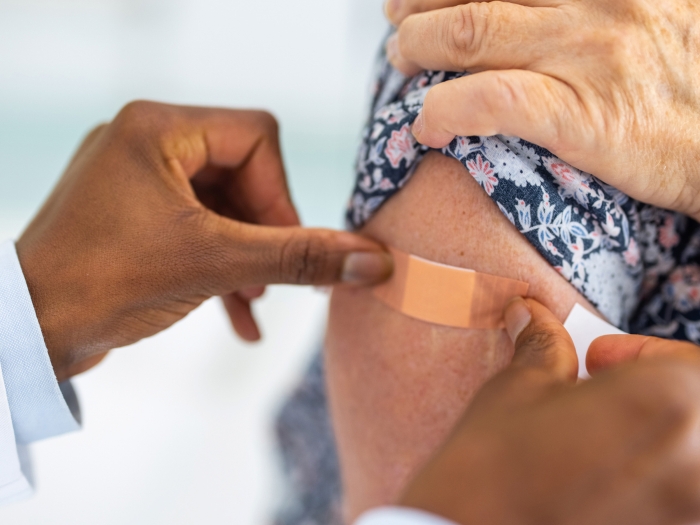
Why aren’t more older adults getting flu or COVID-19 shots?
Many older adults who didn’t get updated flu and COVID-19 vaccines say they thought they didn’t need the shots, despite strong evidence that they reduce the risk of severe illness in this age group.

Health Lab
Health care access gaps for people with disabilities
A collection of recent studies from experts at the University of Michigan Institute for Healthcare Policy & Innovation and the U-M Center for Disability Health and Wellness offers insights into how these barriers show up in everyday care and how practical changes in communication, care delivery and policy could help create a more equitable health system for people with disabilities.

Health Lab
New guide aims to tame the chaos of UTI care
Urinary tract infection symptoms can be treated with antibiotics in some patients without further testing, but overuse of antibiotics can breed resistance and under-testing can overlook other issues. A new guide could help.

Health Lab
5-year survival rate has increased for all cancers, according to American Cancer Society
The American Cancer Society reports that mortality rates have continued to decline since the 1990s. N. Lynn Henry, of Michigan Medicine, answers questions about how factors such as healthy lifestyle choices, early screening and clinical trials have improved cancer survival rates.

Health Lab
For scleroderma research, patients seen as essential co-creators
As scleroderma research moves forward, involving patients with scleroderma in clinical trials can give researchers insight into what is most important for patients living with the condition.
Health Lab
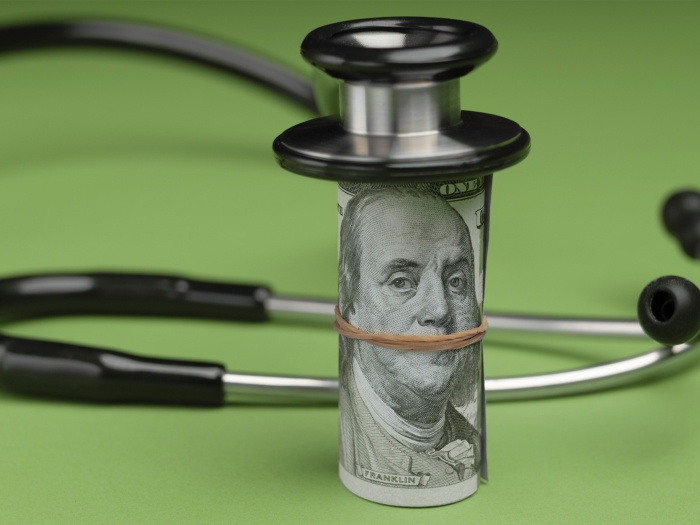
High nursing school debt found, as proposed education loan caps loom
A survey of Michigan nurses shows high levels of student loan debt, with many exceeding caps that have been proposed for federal loans.

Health Lab
Former nurse develops UTI that rapidly progresses to septic shock
Karen Hollingsworth’s training as a nurse helped her identify the symptoms of a urinary tract infection and when it rapidly developed into septic shock.
