What to Do if PPIs Aren’t Stopping Your Reflux Symptoms
When your acid reflux symptoms are not being controlled by medication, it’s time to see a gastroenterologist to discuss your options, specialists say.
7:00 AM
Author |

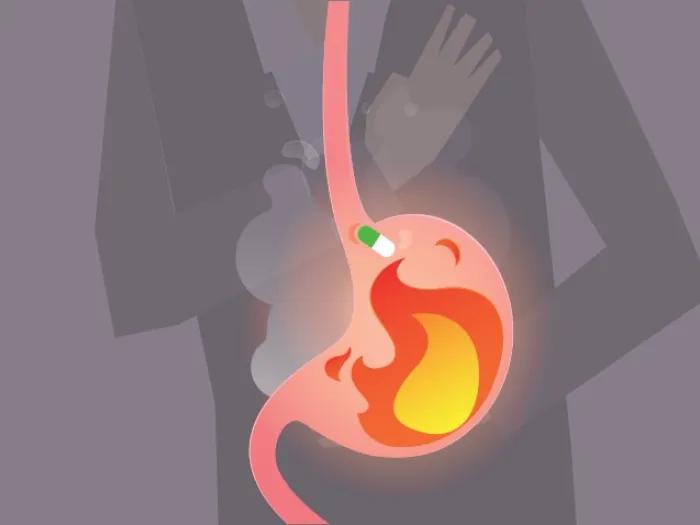
In some patients, gastroesophageal reflux disease (GERD) symptoms are so powerful they overwhelm proton pump inhibitors (PPIs) such as Prilosec, Prevacid and Nexium, leaving heartburn, regurgitation and other symptoms unchecked.
"The PPI gets rid of heartburn in about 80 percent of the people who are taking one dose a day," says Joel Rubenstein, M.D., M.Sc., director of the Barrett's Esophagus Program and an associate professor in the Division of Gastroenterology at the University of Michigan.
"Reflux or regurgitation, with the effortless movement of stomach contents into the esophagus, is more difficult to get rid of, so that's about 60 to 70 percent of people having their symptoms resolved."
So what can be done for the other patients?
Visit a gastroenterologist, says Rubenstein, who is also a research scientist at the Veterans Affairs Center of Excellence for Clinical Management Research.
One potential problem is that patients may have self-diagnosed without ever seeing a gastroenterologist and purchased a PPI over the counter. Self-diagnosis also can lead to misunderstanding or not following the medicine's directions, impacting its effectiveness.
"I emphasize how important it is to take the medicine at least 30 to 45 minutes before a meal," he says. "That makes all the difference for some people because the medicine only blocks acid pumps that are active, and they are activated by food."
Tests and modifications
Additional testing, such as an upper endoscopy, may also be needed. Another test is reflux monitoring. One such test uses a thin probe through the nose and esophagus that's connected to an external data recorder and measures acid and non-acid reflux into the esophagus. The patient keeps a diary of symptoms while the recorder measures the amount of reflux.
Another test attaches an acid monitor temporarily to the inside of the esophagus and wirelessly sends the data to a recorder. "About one-half of the time, we find that reflux is not the cause of the symptoms," Rubenstein says.
If the reflux persists even when the medicines are timed properly, Rubenstein might up the dose or prescribe a more powerful PPI. Another option is adding another medicine that keeps the sphincter muscle at the top of the stomach tight.
Making lifestyle changes
Before such measures, Rubenstein stresses the lifestyle changes that can help symptoms.
"We really emphasize that," he says. "We recommend dieting, exercising, losing weight, getting adequate sleep, raising the head of the bed at night, stopping smoking and avoiding trigger foods like coffee, citrus, chocolate, mints, tomato-based products and alcohol — all the good things in life."
If all other methods fail, sometimes surgery is needed, Rubenstein says.
The surgery, called laparoscopic fundoplication, is a minimally invasive procedure, which tightens the valve to the esophagus, keeping acid out.
Patients no longer have to take PPIs or other acid-blocking medicine after the surgery, but Rubenstein says that about half of patients experience a recurrence of some degree of symptoms within 10 years of the initial surgery. "It's excellent in the short term," he says.
In short, patients with GERD symptoms despite taking PPIs have options.
To schedule an appointment to discuss GERD with a Michigan Medicine gastroenterologist, call 888-229-7408.

Health Lab
Explore thousands of health news & research stories by visiting the Health Lab homepage for more.
Media Contact

Public Relations
Department of Communication at Michigan Medicine
Stay Informed
Want top health & research news weekly? Sign up for Health Lab’s newsletters today!
Featured News & Stories
Risks of PPIs: What’s Real, What Needs More Research
Why Sleep Disorders Cause Heartburn (and Vice Versa)

Tummy Trouble? Healthy Behaviors Can Help

4 ways to stop digestive discomfort after a supersized meal
Liver cancer can be preventable. Do you know the treatable risk factors?