Tiny Model Organisms Offer Big Insight for Researching Disease
Fruit flies are far more than a kitchen nuisance. Learn how the pests and other tiny critters help provide major clues to human disease.
1:02 PM
Author |
On the surface, fruit flies, roundworms and yeast don't seem to have much to do with fighting disease.
MORE FROM THE LAB: Subscribe to our weekly newsletter
Most people view the former two items as pests — and the latter merely the reason bread rises or beer ferments.
All three, however, have major utility as model organisms for scientific research.
That's because each one offers distinct similarities to the human condition, which allows researchers at University of Michigan and across the globe to study basic biological processes shaping health and disease. They also have very fast life cycles, which makes studying effects across generations much more efficient than in people.
The lowly fruit fly, for example, has almost 60 percent of the genes found in humans. One U-M team has used them to study the overgrowth of neurons associated with Down syndrome.
SEE ALSO: Harnessing the Power of Nanoparticles to Fight Antibiotic-Resistant Bacteria
The humble yeast, a single-cell organism, is providing new insights into neurodegeneration and cancer — because these illnesses are caused by the disruption of basic cell processes that are also found in these simple creatures.
And the millimeter-long roundworm, despite its tiny size and nervous system, responds to its natural environment much the same way people do. One U-M lab has discovered an ultra-efficient light receptor in the worms that has the potential to help develop new scientific tools or even better sunscreen.
Learn more about the power of these organisms in the video above.

Health Lab
Explore thousands of health news & research stories by visiting the Health Lab homepage for more.
Media Contact

Public Relations
Department of Communication at Michigan Medicine
Stay Informed
Want top health & research news weekly? Sign up for Health Lab’s newsletters today!
Featured News & Stories
Researchers circumvent radiation resistance in subtype of brain tumors
P53 could be key to therapies for salivary gland cancer
Dietary change starves cancer cells, overcoming treatment resistance
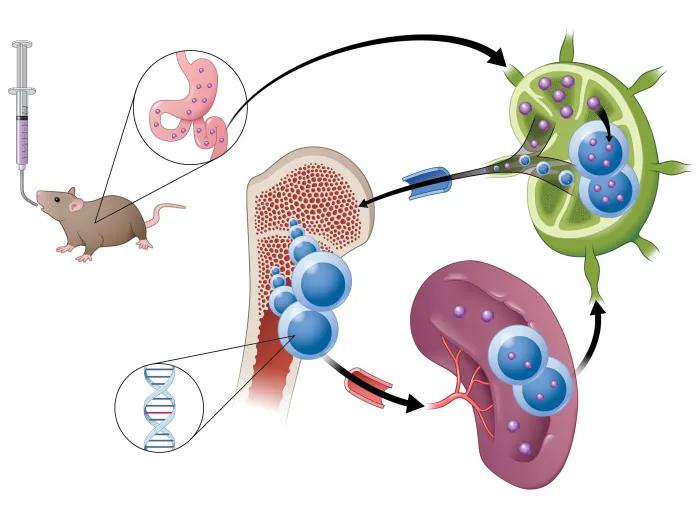
New drug candidate uses novel absorption method to target cancer cells in mice
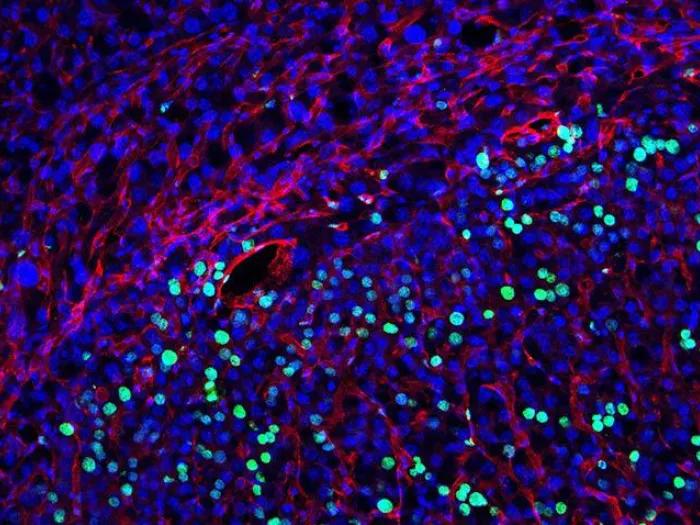
Researchers identify a hormone from fat cells that reprogram the liver microenvironment and restrain tumor growth in mice