Snack Attack: The 10 Most Addictive Junk Foods
There’s a reason you might reach mindlessly for that second cupcake. The potency and absorption rate of junk food share similarities with those of addictive drugs, a U-M study found.
5:54 PM
Author |
It's no secret that most of us can't just eat a single potato chip and put down the bag.
But could your favorite unhealthful snacks actually be addictive?
A recent study from the University of Michigan found that highly processed foods share the same pharmacokinetic properties (in other words, the rate at which the body absorbs, processes and excretes a substance) as drugs of abuse.
The reason: Elevated concentrations of fat and refined carbohydrates in junk food are more rapidly delivered into our body's system than natural foods rich in fiber, protein and water (which, in turn, can slow the rate that sugar enters the bloodstream).
Excess artificial additives, as such, supply a quick and pleasurable reward — albeit a poor one.
The study was based on two surveys totaling 504 participants, with each component focused on 35 foods. One survey relied on the Yale Food Addiction Scale, a measure to identify individuals with dependence on foods high in fat or sugar, when asking them to select the more tempting food item among pairs of preselected options; the other asked people to rate each of the 35 food items on a scale of 1 to 7 — with 7 being "most problematic" as described by the Yale criteria (a measure that includes loss of control and continued use despite knowing the health risks).
Beyond motivating consumers to take a closer review of their snack choices, the study could spur wider action in regard to addiction-specific symptoms tied to a person's diet.
Erica Schulte, a U-M psychology doctoral student and a co-author of the study, recently said that she hopes the findings "may impact nutrition guidelines, as well as public policy initiatives such as marketing these foods to children."
Given the findings, likewise, the researchers suggest that clinicians might one day treat junk-food addicts not with a prescription to cut back, but instead adopt methods used to curb smoking, drinking or drug use.
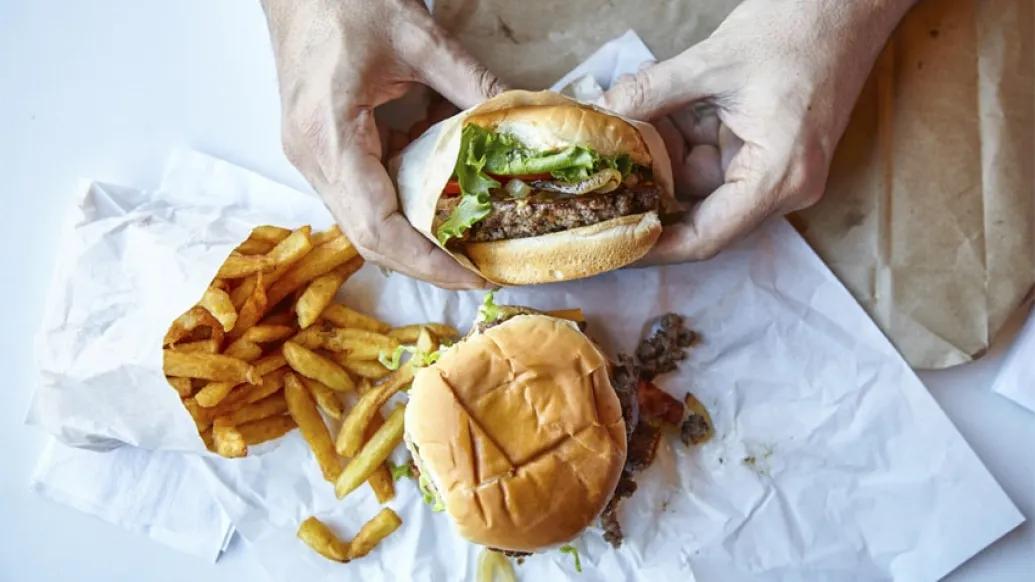
Here, starting with the most problematic treat based on the level of processed ingredients and the self-reported likelihood of the study's participants to indulge in a particular item, are the top 10 most addictive foods:
- Pizza
- Chocolate
- Chips
- Cookies
- Ice cream
- French fries
- Nondiet soda
- Cake
- Cheeseburgers
- Muffins

Health Lab
Explore thousands of health news & research stories by visiting the Health Lab homepage for more.
Media Contact

Public Relations
Department of Communication at Michigan Medicine
Stay Informed
Want top health & research news weekly? Sign up for Health Lab’s newsletters today!
Featured News & Stories
What’s the latest on 7-OH and kratom availability and addiction care?

Foundation gift inspires additional gifts to strengthen youth mental health care

Rheumatologist finds contentment and community through family farm

College of Pharmacy alum advances U-M Medical School addiction research

Are 988 and other mental health crisis lines missing people over 50?