People with fibromyalgia substituting CBD for opioids to manage pain
The cannabis-derived substance provides fewer side effects, with less potential for abuse.
5:00 AM
Author |
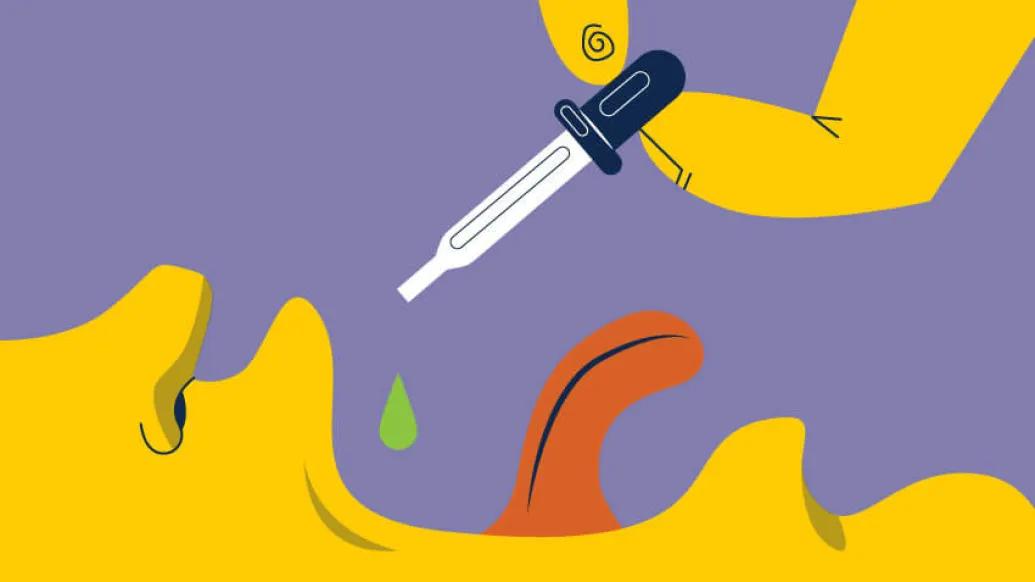
Fibromyalgia is one of many chronic pain conditions that remains stubbornly difficult to treat.
As the ravages of the opioid epidemic lead many to avoid these powerful painkillers, a significant number of people with fibromyalgia are finding an effective replacement in CBD-containing products, finds a new Michigan Medicine study.
CBD, short for cannabidiol, is the second most common cannabinoid in the cannabis plant, and has been marketed for everything from mood stabilization to pain relief, without the intoxicating effects produced by the most common cannabinoid, THC. THC, which stands for delta-9-tetrahydrocannabinol, is the ingredient in marijuana that causes people to feel high.
The cannabis industry has exploded, aided by the legalization of medical and recreational marijuana in states around the United States and the removal of hemp-derived CBD from Schedule 1 status—reserved for drugs with no currently accepted medical use and a high potential for abuse—at the federal level.
Previous research shows that some people substitute medical cannabis (often with high concentrations of THC) for opioids and other pain medications, reporting that cannabis provides better pain relief and fewer side effects. However, there is far less data on CBD use.
"CBD is less harmful than THC, as it is non-intoxicating and has less potential for abuse," said Kevin Boehnke, Ph.D., a research investigator in the Department of Anesthesiology and the Chronic Pain and Fatigue Research Center. "If people can find the same relief without THC's side effects, CBD may represent a useful harm reduction strategy."
Boehnke and his team surveyed people with fibromyalgia about their use of CBD for treatment of chronic pain.
"Fibromyalgia is not easy to treat, often involving several medications with significant side effects and modest benefits," Boehnke explained. "Further, many alternative therapies, like acupuncture and massage, are not covered by insurance."
MORE FROM THE LAB: Subscribe to our weekly newsletter
For this study, the team focused on 878 people with fibromyalgia who said they used CBD to get more insight into how they used CBD products.
The U-M team found that more than 70% of people with fibromyalgia who used CBD substituted CBD for opioids or other pain medications. Of these participants, many reported that they either decreased use or stopped taking opioids and other pain medications as a result.
"I was not expecting that level of substitution," said Boehnke, noting that the rate is quite similar to the substitution rate reported in the medical cannabis literature. People who said they used CBD products that also contained THC had higher odds of substitution and reported greater symptom relief.
Yet the finding that products containing only CBD also provided pain relief and were substituted for pain medications is promising and merits future study, noted Boehnke.
The team noted that much of the widespread use of CBD is occurring without physician guidance and in the absence of relevant clinical trials. "Even with that lack of evidence, people are using CBD, substituting it for medication and doing so saying it's less harmful and more effective," he said.
Like Podcasts? Add the Michigan Medicine News Break on iTunes or anywhere you listen to podcasts.
Boehnke stressed the need for more controlled research into how CBD may provide these benefits, as well as whether these benefits may be due to the placebo effect.
Clinically, opening up lines of discussion around CBD use for chronic pain is imperative, said Boehnke, for medication safety reasons as well as for "enhancing the therapeutic alliance and improving patient care."
Additional authors include Joel J. Gagnier, Lynne Matallana and David A. Williams.
Paper cited: "Substituting Cannabidiol for Opioids and Pain Medications Among Individuals with Fibromyalgia: A Large Online Survey," The Journal of Pain. DOI: 10.1016/j.jpain.2021.04.011

Health Lab
Explore thousands of health news & research stories by visiting the Health Lab homepage for more.
Media Contact

Public Relations
Department of Communication at Michigan Medicine
Stay Informed
Want top health & research news weekly? Sign up for Health Lab’s newsletters today!
Featured News & Stories
Studying Period Pain
Who’s at risk for painful periods?

College of Pharmacy alum advances U-M Medical School addiction research

Psychoactive substances and adverse side effects for patients with multiple sclerosis

Managing pain one (super-thin) needle at a time