How LASIK surgery can help athletes perform at their best
Why pro athletes and hobbyists alike can benefit from a LASIK game plan, according to an ophthalmologist
2:25 PM
Author |
This article was originally published on July 17, 2017 and updated on March 11, 2025.
For people who need them, glasses or contact lenses can present minor inconvenience.
But the everyday pitfalls of these tools — a smudged lens or irritation from dirt, for instance — could be more than a nuisance for competitive athletes.
Try sinking a free throw when a contact has fallen out unexpectedly or biking on a humid day after your goggles have fogged over.
It's why active people (including LeBron James and Lindsey Vonn) are often candidates for LASIK surgery to perform their best.
"Motivation to play sports or do activities without having to worry about your eyes is pretty common," said Christopher Hood, M.D., a clinical associate professor of ophthalmology and visual sciences at the University of Michigan Kellogg Eye Center.
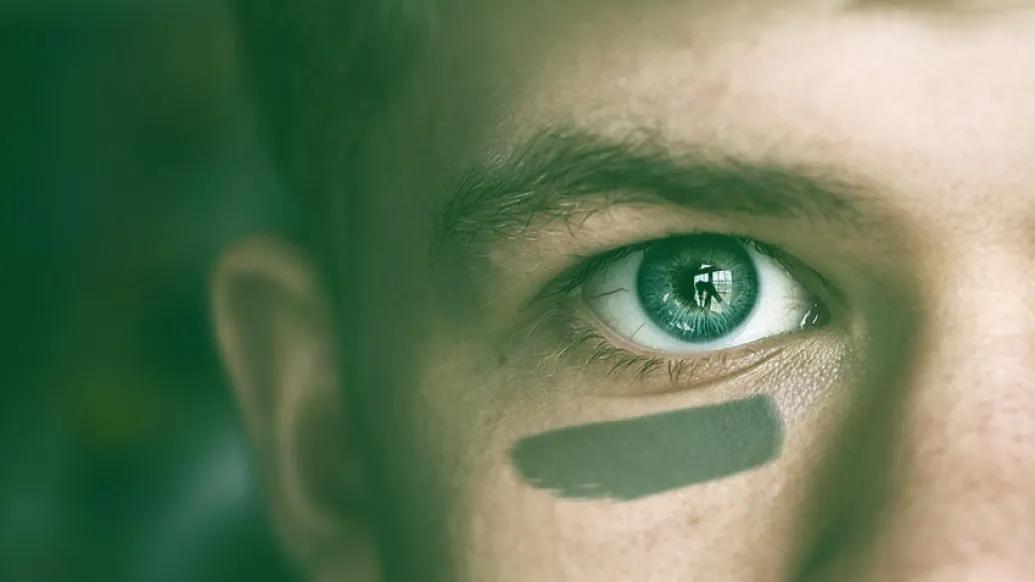
LASIK surgery involves using a laser to form a flap in the cornea; the flap is then lifted, and the underlying cornea is reshaped to correct a patient's vision.
Mechanics of the common procedure are no different for athletes than nonsporting individuals.
Still, the choice requires a conversation between a patient (generally 21 years of age or older) and his or her provider to discuss the course of action — and any associated risks or concerns.
"Obviously, visual tasks are of high importance for athletes," said Hood, who performs the surgery often on a range of individuals, "but it's also a big decision."
What athletes should know about LASIK
Extreme change isn't the goal
LASIK is designed to correct a patient's vision to the level of his or her existing prescription, not provide radically different or augmented sight.
"We aren't going to achieve 'super' vision," said Hood. "We have a realistic conversation about what to expect."
Still, he maintains, most recipients are pleased to be able to adequately play sports with clear vision — and without the hassle of contact lenses or glasses.
LASIK might not be the best option for all
People who participate in high-contact sports — basketball in particular — may consider photorefractive keratectomy, or PRK, a surgery that instead directly reshapes the surface of the cornea, avoiding a flap.
The reason: "The corneal flap from LASIK can be disrupted, even years later, if there is a significant force," Hood said.
Any such injury requires immediate medical attention.
Recovery time can vary
Although "it takes time for that flap to secure itself down" post-LASIK, Hood notes that most patients needn't wait long to pursue athletics again.
Those who enjoy low-contact pursuits (cycling, swimming, baseball) can return to play in about a week.
PRK recipients, however, should assume extended downtime; it takes at least a week for them to improve and several weeks longer to regain clear vision.
Side effects may occur
A common result of refractive surgery is dry eye, which may last for several months but can usually be treated with artificial tears.
Fewer than 5% of LASIK cases may require a second visit for "an enhancement or touch up," Hood said.
And, while rare, some patients may experience unwanted visual symptoms such as induced glare or halo.
It can boost performance
Without dirt or sweat getting into contact lenses — or the risk of an elbow or ball colliding with a competitor's eyeglass frames — there are fewer environmental factors that could affect an athlete's game.
Added Hood: "Your vision can fluctuate with contact lenses moving around. And your peripheral vision can be slightly distorted when you look out the edges of your glasses."
For more information about LASIK surgery, call the Kellogg Eye Center at 734-615-5274 or email [email protected].

Health Lab
Explore thousands of health news & research stories by visiting the Health Lab homepage for more.
Media Contact

Public Relations
Department of Communication at Michigan Medicine
In This Story
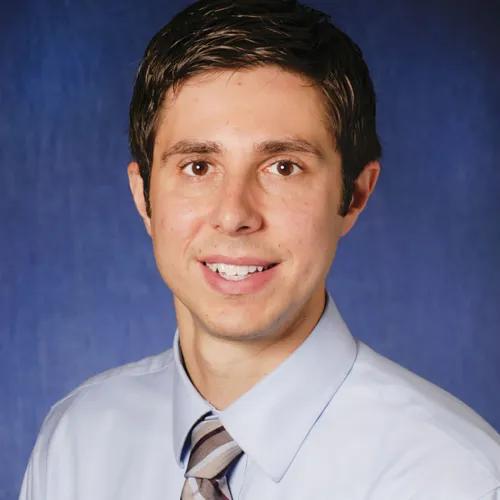
Christopher T Hood
Clinical Associate Professor
Stay Informed
Want top health & research news weekly? Sign up for Health Lab’s newsletters today!
Featured News & Stories
Retinitis Pigmentosa in Children: 5 Facts Families Should Know
Wet vs. Dry AMD: What’s the Difference?

3 Ways Genetic Counselors Provide Clarity on Eye Disease

7 Healthy Habits to Help Prevent Macular Degeneration
Innovative children’s vision research gets a boost from the Knights Templar Eye Foundation