Getting an IUD? Here’s what to know
IUDs are becoming one of the most popular forms of birth control for all ages
5:00 AM
Author |
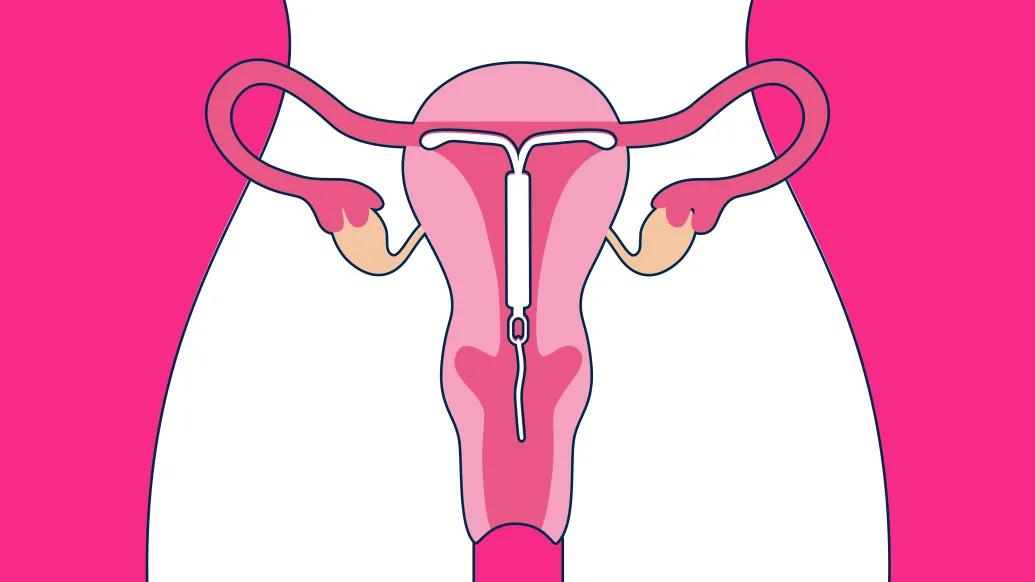
Intrauterine devices, more commonly known as IUDs, are great birth control option for patients of many ages and gender identities.
The American Academy of Pediatrics recommends IUDs as one of the first line options for contraception in teens and young adults.
IUDs are also often recommended for postmenopausal women needing protection from uterine cancer.
Many transgender male patients use IUDs for menstrual suppression and contraception.
And studies have shown that among obstetricians and gynecologists, IUDs are the preferred method of choice for birth control.
Here, Monica Rosen, M.D., an obstetrician-gynecologist at University of Michigan Health Von Voigtlander Women's Hospital, answers common questions about IUDs and what you should know before making the decision to get one.
What are IUDs?
Rosen: There are two main categories of IUDs, one that uses a progesterone hormone called levonorgestrel and one which has no hormones and uses copper for a contraceptive benefit.
The hormonal IUD differs from other birth controls because very little of the hormone is absorbed systemically as the hormone mainly acts locally in the uterus.
This enables the recipient to not have many side effects that they may have from other forms of birth control.
There are many reasons why people may choose to get an IUD, however the most common is for contraception or menstrual suppression.
What are the different types of IUDs?
Rosen: In the hormonal category, there are four different types of IUDs, and each IUD has progesterone and no estrogen.
The hormonal IUDs are slightly different sizes and last for slightly different amounts of time, typically between three to eight years.
These IUDs help significantly with heavy menstrual bleeding and period cramps.
A progesterone IUD works by increasing cervical mucus to prevent sperm from meeting an egg and by thinning the lining of the uterus to make it a poor environment for an embryo to implant should fertilization happen.
The copper, or non-hormonal IUD, can last for 12 years but many patients don't choose this option because it can cause heavier periods for some.
SEE ALSO: The Benefits and Barriers of Birth Control Following Childbirth
We also have a poor understanding of exactly how a copper IUD works, but we know that it prevents sperm from meeting an egg to form an embryo.
IUDs in both categories can now be used as emergency contraception as well.
It’s important to discuss with your provider what you would like your IUD to accomplish and the length of time you are looking to have it for to determine the right one for you.
What happens during an IUD insertion?
Rosen: An IUD insertion starts with a pelvic exam.
A speculum is placed inside the vagina, and like a pap smear, the cervix is swabbed to clean it.
The uterus is then measured by placing a straw like pipelle into the uterus through the cervix.
The IUD inserter is then set to match the length of the uterus, and the IUD is inserted into the uterus through a simple insertion device.
Once inserted, the strings of the IUD are trimmed inside of the vagina and the speculum is removed.
After the procedure, the IUD strings can be felt at the top of the vagina. These are typically short, about 3cm in length.
If you want to ensure your IUD is still in the proper location, you can feel the strings for reassurance.
If you don’t feel the strings, it’s likely that they have curled back into the cervical canal, but this doesn’t mean that your IUD isn’t where it should be.
If you’re ever concerned, you can always ask for a pelvic ultrasound to confirm the location of your device.
Is getting an IUD painful?
Rosen: Patients may experience cramping pain, like a bad menstrual cramp.
This is typically due to the manipulation of the cervix and uterus, when placing the IUD.
It’s important for providers to be upfront with patients about the pain that an IUD insertion may entail.
Ibuprofen can significantly reduce this pain, but there still may be pain that is not controlled with this.
We offer patients to have IUDs placed with IV sedation when they don’t think they’ll be able to tolerate a clinic placement without this.
However, this isn’t a common occurrence.
Taking 800mg of ibuprofen an hour before an IUD placement is one of the most recommended ways to make sure patients experience less cramping after the insertion is done.
Some patients are also offered Ativan that they can choose to take if they have someone to drive them home.
This helps to reduce the cramping and relax the patient for the procedure.
You can also listen to relaxing music during the placement.
SEE ALSO: A Guide to Choosing the Right Birth Control for Your Lifestyle
The Center for Disease Control has updated their guidelines stating that applying lidocaine via injection or topically with ointment, to the cervix, may be helpful to reduce pain associated with IUD insertion.
This may encourage more providers to use lidocaine for insertions.
Sometimes, however, the injecting an anesthetic can add pain to the procedure from the injection.
If something doesn’t feel right during the insertion process, make sure to let the provider who is performing the insertion know.
What changes might you notice after getting an IUD?
Rosen: After an IUD placement you may experience abnormal spotting for three to six months.
You may also have some pelvic cramping on and off during this time.
Most patients have a significant reduction in blood loss within three months after placement.
If you feel pain or cramping that is severe and out of the ordinary, you should call to ask for a pelvic ultrasound to ensure that your device has not shifted in the uterus.
If the IUD moves down to the level of the cervix, this can cause significant discomfort and should be evaluated immediately.
In this situation, the IUD should be removed, and a new one can be placed if desired.
For more information about IUDs, Rosen recommends visiting the Bedsider Birth Control Support Network.
Sign up for Health Lab newsletters today. Get medical tips from top experts and learn about new scientific discoveries every week.
Sign up for the Health Lab Podcast. Add us wherever you listen to your favorite shows.

Health Lab
Explore thousands of health news & research stories by visiting the Health Lab homepage for more.
Media Contact

Public Relations
Department of Communication at Michigan Medicine
In This Story

Monica Woll Rosen, MD
Clinical Associate Professor
Stay Informed
Want top health & research news weekly? Sign up for Health Lab’s newsletters today!
Featured News & Stories
PCOS has a new name

Studying Period Pain

Who’s at risk for painful periods?

A tragedy and a trial shine a spotlight on new moms’ mental health
Navigating Perimenopause and Menopause