The Benefits and Barriers of Birth Control Following Childbirth
Mothers on Medicaid in some states can now get IUDs or contraceptive implants right after childbirth, but this option comes with challenges for hospitals.
1:37 PM
Author |
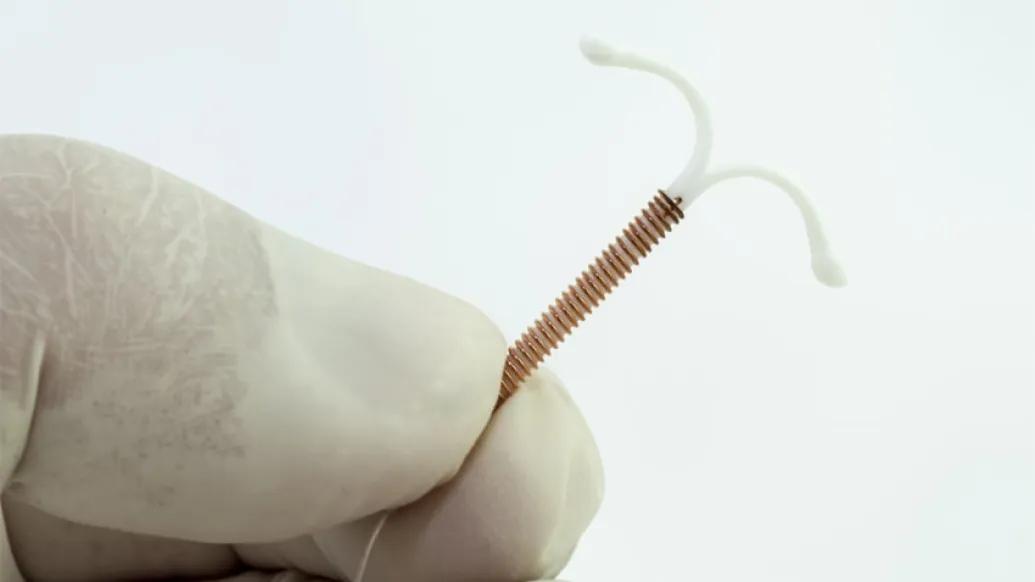
Low-income women in at least 19 states now can receive an IUD or contraceptive implant just minutes after childbirth instead of waiting until a follow-up office visit.
But that shift, caused by changes to Medicaid reimbursement policies, could leave doctors and hospitals scrambling to adapt and provide interested women with IUDs and contraceptive implants before they are discharged home after delivery, according to a recent U-M study.
"Our key priority is making sure that expanded coverage translates into meaningful access for patients. We have an incredible opportunity to figure out how to actually implement this in real time," says Michelle Moniz, M.D.,M.Sc., an assistant professor of obstetrics and gynecology and a researcher at the University of Michigan Medical School.
The benefits of early contraception are clear: Clinicians can provide highly effective contraception to interested women during delivery hospitalization, a time that is convenient for both patient and clinician. Changes in Medicaid reimbursement policy mean that clinicians can now receive payment for this service, as they would for IUD or implant insertion procedures in the outpatient setting.
This is another option in a woman's tool kit. It clearly prevents unintended pregnancy and is associated with cost savings and with improved outcomes for women and babies.Michelle Moniz, M.D. M.Sc.
The option for an IUD or implant immediately after delivery may be particularly beneficial for women who are far less likely to attend the six-week postpartum follow-up visit — and perhaps forgo the use of long-acting reversible contraceptives (LARC) altogether — due to scheduling conflicts with work, transportation or childcare.
"This is another option in a woman's tool kit," says Moniz. "It clearly prevents unintended pregnancy and is associated with cost savings and with improved outcomes for women and babies. There are a lot of potential 'wins' here for women interested in these methods after childbirth."
Although the process itself is simple — insertion of an IUD or the contraceptive implant can take just a few minutes — widespread implementation of these procedures in the hospital setting may prove tricky, says Moniz, whose research with her U-M colleagues appeared in the journal Women's Health Issues. Moniz and colleagues interviewed Medicaid administrators in 15 states that recently implemented postpartum contraception.
Findings suggest that hospitals face a variety of challenges: lack of awareness that such coverage has become available, misconceptions about the appropriate candidates for these contraceptive devices, insufficient staff expertise in immediate postpartum IUD insertion, and mistrust about receiving reimbursement from Medicaid.
Moniz also cited a need for increased communication among a health center's various departments — to update and educate about altered billing protocol, for example, or to coordinate device insertion with other postpartum processes — as well as proper training and scheduling among staff to ensure that maternity patients can receive LARC on the spot if desired.
Even something simple, such as a shortage of IUDs in a hospital's pharmacy, could be a common problem.
"There are multiple kinds of challenges for service delivery," Moniz says. "They really all have to be addressed in tandem with a multi-stakeholder approach to make this a universal option for interested women."
What doctors should know
Immediate postpartum contraception won't be the right option for every patient. While implant insertion is identical in the inpatient and outpatient settings, clinicians should consider a potential downside to putting in an IUD earlier. Immediately after childbirth, the IUD is at an increased likelihood of expulsion from the body. Moniz says the expulsion rate can reach approximately 25 percent, compared with about 4 percent when implanted after six weeks postpartum.
Still, because follow-up for outpatient postpartum care is very low in many populations, the overall benefits of early IUD insertion could outweigh the risk of expulsion.
A conversation with mothers-to-be about a reproductive life plan and postpartum contraceptive options should start long before entering the delivery room.
"Ideally, this is not a 'game-time' decision," says Moniz. "I bring up the concept of family planning early and often during a women's prenatal care.
"I say: 'This may be a strange thing to talk about when you're pregnant, but after you deliver, you will be at risk [for another pregnancy]. If that's not something you want, we should talk about options.'"

Health Lab
Explore thousands of health news & research stories by visiting the Health Lab homepage for more.
Media Contact

Public Relations
Department of Communication at Michigan Medicine
Stay Informed
Want top health & research news weekly? Sign up for Health Lab’s newsletters today!
Featured News & Stories

Depression in OBGYN residents needs more attention, study suggests
Better prenatal care data could help prevent maternal complications, experts say
PCOS has a new name

Who’s at risk for painful periods?

Navigating Perimenopause and Menopause