BORGs: The latest TikTok trend that’s bad for your liver
A hepatologist weighs in on the new risky mode of consuming alcohol
5:00 AM
Author |
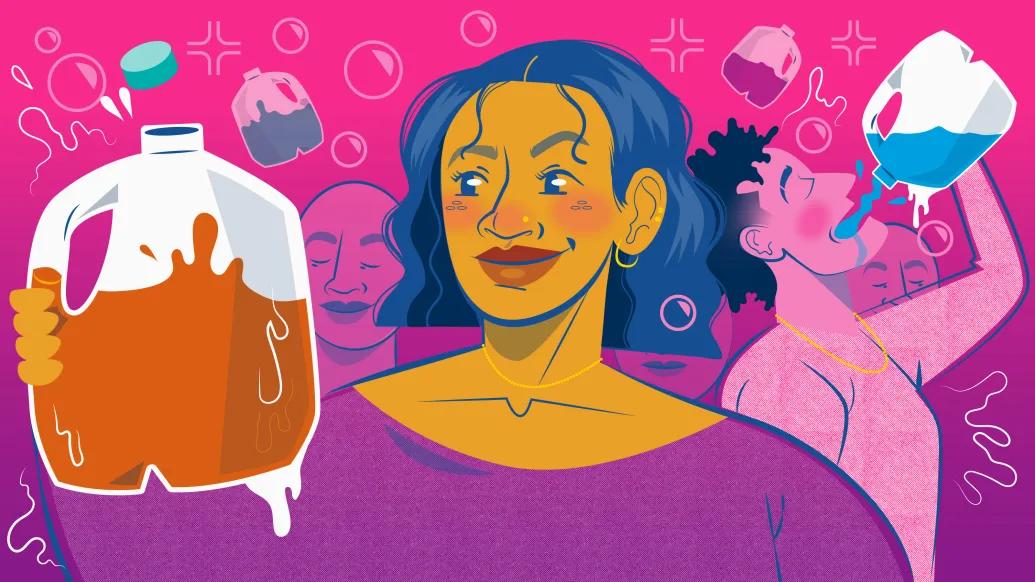
If you’re older than the average college student, the term BORG might remind you of the iconic “Star Trek” quote, “Resistance is futile.” But “blackout rage gallons,” more commonly referred to as BORGs, are seemingly less sinister, yet still potentially dangerous.
SEE ALSO: Do I Have A Drinking Problem? 11 Signs of Alcohol Use Disorder (michiganmedicine.org)
These drinks, which went viral on TikTok, are made in gallon-sized jugs on college campuses throughout the country. They involve a concoction of alcohol, water, a sweetened mixer and a liquid or powdered electrolyte.
But according to Michigan Medicine hepatologist Elliot Tapper, M.D., alcohol use disorder and severe liver disease are on the rise among young Americans and the culture around binge drinking may be partly to blame.
SEE ALSO: Is it time to change your drinking habits? (michiganmedicine.org)
“While it might not be news that young people have a tendency towards drinking in excess in social settings like college campuses, many trends around alcohol consumption have created the perfect storm,” said Tapper. “Over time, alcoholic drinks have become more potent and binge drinking, as well as drinking on a daily basis, have become more widely accepted.”
Tapper notes that alcoholic drink serving sizes have also increased over time, which may have partly inspired the creation of these gallon-sized BORGs.
SEE ALSO: A better approach to caring for cirrhosis
“The overall volume and the strength of the alcoholic drinks being consumed by young people has significantly increased within the last decade,” he said. “You now see things like alcoholic seltzer water and larger and larger cans when it comes to these beverages, as well as other drinks like beer. But if people don’t pay attention to these changes, really bad things can happen.”
Tapper says that the “first danger of binge drinking” is acute alcohol intoxication: “This stage of alcohol consumption can lead to trauma, injury, and risky behavior like driving while intoxicated.”
While it might not be news that young people have a tendency towards drinking in excess in social settings like college campuses, many trends around alcohol consumption have created the perfect storm."
- Elliot Tapper, M.D.
According to Tapper, consuming large quantities of alcohol can eventually lead to hyponatremia, which means the sodium levels in an individual’s bloodstream are dangerously low, as well as other serious medical complications involving the pancreas and liver.
“The liver is quickly overwhelmed when alcohol is consumed in large amounts,” said Tapper. "The more popular trends like this become, the more habitual the behavior. When people become addicted to consuming large quantities of alcohol, they can also rapidly develop alcoholic hepatitis, cirrhosis of the liver and ultimately, liver failure. This is a really slippery slope that can yield very dangerous results.”
SEE ALSO: New Clinic Promotes Shared Care to Treat Alcohol-Related Liver Disease (michiganmedicine.org)
Tapper also warns against embracing the viral nature of potentially dangerous trends on TikTok.
“When young people are used to seeing their peers make and consume BORGs on social media, they almost become desensitized to it,” he said. “But what they aren’t seeing are the dangers associated with this risky behavior, after the video is filmed. TikTok is also available to people across the age spectrum, so pre-teens and teens can also be exposed to this trend and others.”
Lastly, Tapper notes that research shows that there is an increasingly worrisome trend among young people being hospitalized with alcohol-related cirrhosis and other liver conditions “that ultimately put their lives at risk.”
“The sad thing is that when we really start to pinpoint when the alcohol use disorder began for many of these young patients, it’s generally in response to some type of stress in their lives or a culture where the overconsumption of alcohol in social settings is viewed as healthy and normal.”
SEE ALSO: How (and When) to Address a Drinking Problem (michiganmedicine.org)

Health Lab
Explore thousands of health news & research stories by visiting the Health Lab homepage for more.
Media Contact

Public Relations
Department of Communication at Michigan Medicine
Stay Informed
Want top health & research news weekly? Sign up for Health Lab’s newsletters today!
Featured News & Stories

A second chance at life

Exceptional response to immunotherapy gives patient with liver cancer more milestones to celebrate

Liver cancer can be preventable. Do you know the treatable risk factors?

E-Bikes are everywhere, but most parents say they don’t know enough about them

Evolving causes, diagnosis of drug-induced liver injury