8 Easy Ways to Lower Your Blood Pressure
High blood pressure is serious but can be treated — usually with basic lifestyle changes. Consider these simple steps to lower yours.
12:03 PM
Author |
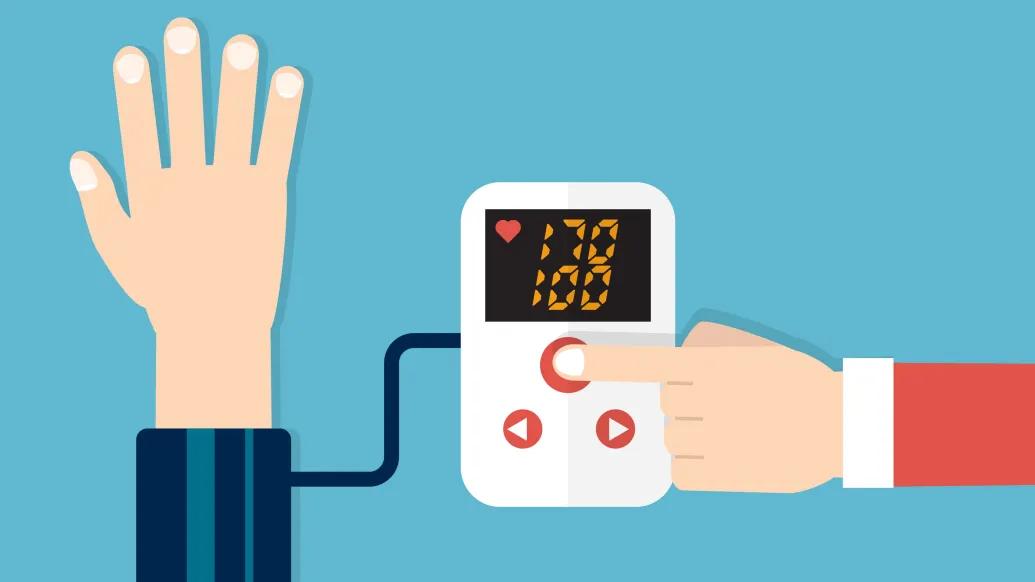
First, the bad news: High blood pressure, also known as hypertension, is a worldwide problem and the leading risk factor for death. An estimated 1 billion people globally have a diagnosis of high blood pressure.
"It is truly a global problem, on par with tobacco use as a risk for dying," says Robert Brook, M.D., an associate professor of internal medicine and a cardiologist at the University of Michigan Frankel Cardiovascular Center.
Causes are unknown in about 90 percent of cases, and there are typically no symptoms until high blood pressure has done some damage to the body.
And now, the good news: "It is a controllable disease," says Brook.
There are plenty of simple ways to take control, including natural remedies.
Adopt these eight tips, Brook says, to reduce your risk:
- Maintain an active lifestyle and healthy weight: Even if you're busy or out of shape, get out there! One expert urges at least 30 minutes of activity — whether it's a brisk walk or intense cardio — each day.
- Limit salt intake: Too much sodium may cause your body to hold on to extra water, which can raise blood pressure and force your heart and kidneys to work harder. Consuming less than 2,200 milligrams daily is advised.
- Eat healthfully: Focus on fruits, vegetables, whole grains and nuts (and not smoked meats or frozen foods). These, plus fish and good fats, such as olive oil, constitute the heart-healthy regimen known as the Mediterranean diet.
- Cut down on alcohol and quit smoking: Drinking in moderation is OK, but excess consumption has been linked to high blood pressure, among other ailments. Smoking damages and constricts your blood vessels.
- Cut back on caffeine: The effects are often short-lived, but blood pressure can spike after caffeine is introduced to the body. Ask your doctor if it's OK for you to drink caffeinated beverages and in what quantity.
- Reduce stress: Although a direct link between stress and high blood pressure hasn't been proved, the combination can be dangerous: Stressful situations can temporarily elevate heart rate and constrict blood vessels, raising blood pressure.
- Take medications as directed: If medicine is needed, adherence to a doctor's prescription — diuretics, beta blockers or ACE inhibitors, most likely — is key. Attend all follow-up visits with a physician to track progress.
- Breathe and squeeze: Brook suggests two noninvasive techniques: isometric exercises with athletic handgrips, squeezing in two-minute alternating stints per hand, for 15 minutes total daily; and device-guided slow breathing, which involves a sensor belt worn around the abdomen that guides a user to slow breathing rates.
When practiced consistently, Brook says, "there is good scientific evidence that these alternative techniques can help lower blood pressure when added to a treatment regimen after patients discuss their goals with their doctors."
The American Heart Association offers a quick quiz to test your knowledge about high blood pressure. The quiz includes helpful information, some of it surprising.

Health Lab
Explore thousands of health news & research stories by visiting the Health Lab homepage for more.
Media Contact

Public Relations
Department of Communication at Michigan Medicine
Stay Informed
Want top health & research news weekly? Sign up for Health Lab’s newsletters today!
Featured News & Stories

Digital alerts support timely treatment decisions of critically ill cardiac patients

Is the United States Lagging Behind Europe in Memory Improvement?

Reducing infections after heart surgery could save Medicare $441 million per year
Young father survives aortic dissection after delayed diagnosis

C.S. Mott Children’s Hospital first in country to implant expandable heart valve during FDA review phase