
Kelly Malcom
Lead Research Communicator
Malcom is a lead research communicator for Michigan Medicine and research communications strategist for the U-M Medical School, with more than 20 years of experience in strategic communications, marketing, and health and science writing. She covers the basic science departments, pulmonary and critical care medicine, infectious disease, pathology and anesthesiology. Contact: [email protected]

Health Lab
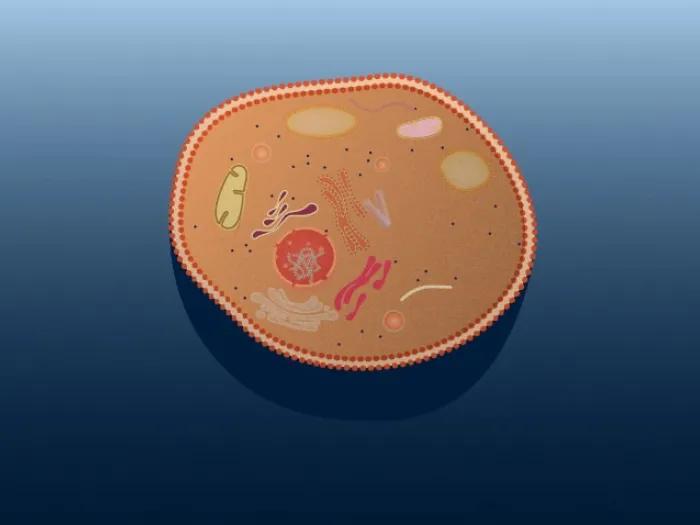
How Do Cells Under Stress Clean Up a Potentially Dangerous Mess?
Researchers develop a mathematical model of a cell’s response to disease-causing unfolded proteins.

Health Lab
For Large Health Systems, Telehealth Programs Bring Challenges and Results
Researchers offer potential solutions for scaling-up increasingly popular remote healthcare services.
Medicine at Michigan
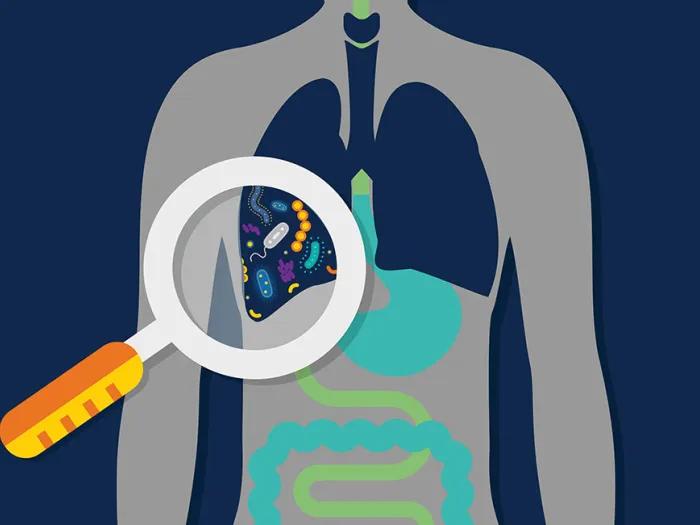
Lung Bacteria and Immunity
Lung bacteria might play a bigger role than once thought

Health Lab
Screening Tools Can Miss Sepsis in Pregnancy; Study Urges Action
New research reveals a need for better tools for catching severe infections in pregnant women. Simple early interventions are crucial, too.

Health Lab
How Mitochondria Deploy a Powerful Punch Against Life-Threatening Bacteria
Researchers discover that mitochondria play an important role in supporting the immune system’s response against MRSA infection.

Health Lab
Genetic Prediction Model Helps Identify Arthritis Risk in Psoriasis Patients
Treatment planning for a painful and potentially disabling condition could be made easier with a new model for assessing genetic risk in people with psoriasis.

Health Lab
Helping Postdocs Step into the Limelight
Institutional supports—and an exciting competition—are amplifying the voices of an often overlooked group of research trainees.
News Release
Phyllis Hanson, M.D., Ph.D. to lead U-M Department of Biological Chemistry
The U-M Board of Regents today approved the appointment of Phyllis Hanson, M.D., Ph.D. as the new U-M Medical School’s Department Chair for Biological Chemistry. She will begin her role on November 1.

Health Lab
Simple Nerve Stimulation May Improve Sexual Response in Women
A treatment designed to improve bladder dysfunction could have another use: helping women who struggle to achieve sexual arousal.

Health Lab
Genome-Wide Study Identifies Genes Linked to Diverticular Disease
An analysis of the genomes of a half-million people reveals potential genes behind a common intestinal disorder — and could inform future treatment.

Health Lab
Pushing Big Data to Rapidly Advance Patient Care
Technology offers a solution for moving research out of journals and into the clinic faster

Health Lab
New Insights on Sperm Production Lay Groundwork for Solving Male Infertility
Read the latest insights in male infertility research, including an effort to find ways of restoring fertility in men who don’t produce enough healthy sperm.

Health Lab
Study: Heart Abnormalities May Trigger Sudden Unexplained Death in Epilepsy
Read about new stem cell research that reveals how an SCN1A gene mutation in patients with Dravet syndrome may be the cause of sudden unexplained death in epilepsy (SUDEP).
Health Lab
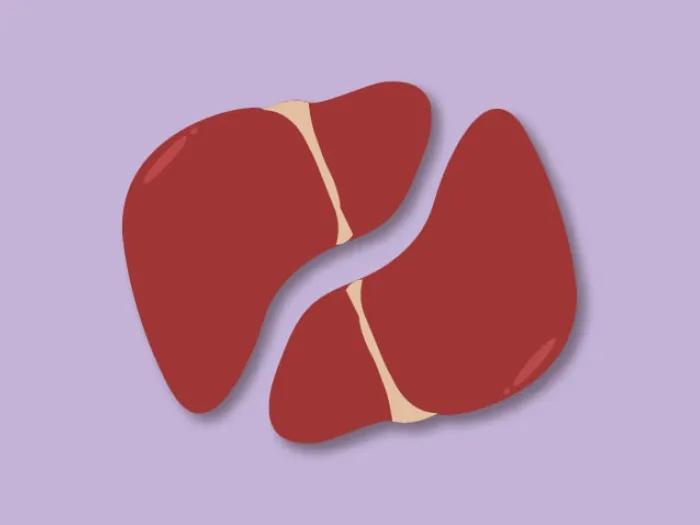
Key Protein Discovery Sheds Light on Fatty Liver Origins
One lesser-known but increasingly prevalent risk of obesity is nonalcoholic fatty liver disease, or NAFLD. A new study reveals a new role for insulin in the control of fat production.

Health Lab
The Rogue Proteins Behind Lethal Neurodegenerative Disorders
Many Americans over 50 favor limits on painkiller prescribing, and those who receive prescriptions need more counseling about risks and safe disposal options, a new poll finds.
