
Kelly Malcom
Lead Research Communicator
Malcom is a lead research communicator for Michigan Medicine and research communications strategist for the U-M Medical School, with more than 20 years of experience in strategic communications, marketing, and health and science writing. She covers the basic science departments, pulmonary and critical care medicine, infectious disease, pathology and anesthesiology. Contact: [email protected]

Health Lab
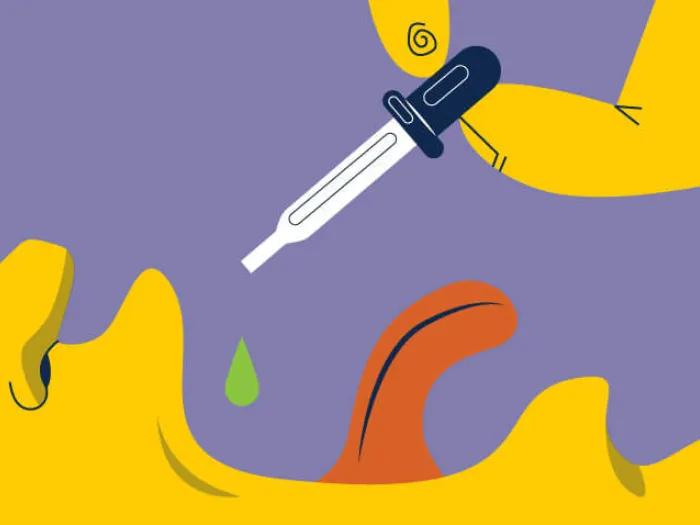
People with fibromyalgia substituting CBD for opioids to manage pain
The cannabis-derived substance provides fewer side effects, with less potential for abuse.
Health Lab
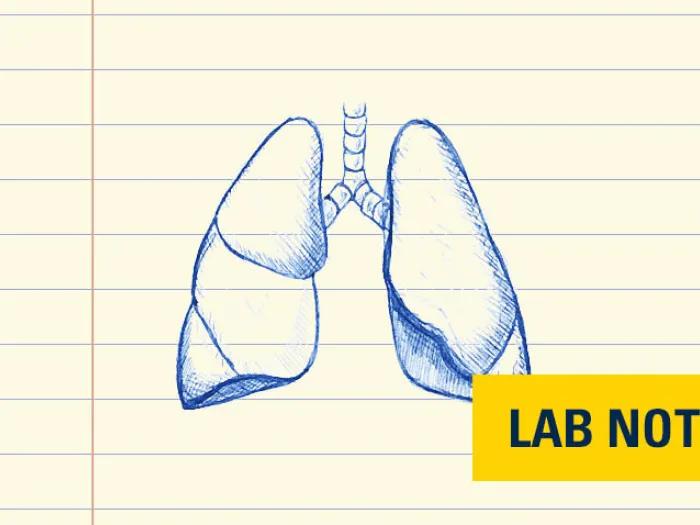
Chronic high carbon dioxide levels in the blood associated with more hospitalizations and death
Patients with obesity are especially at risk.
Health Lab
Popular sepsis prediction tool less accurate than claimed
The algorithm is currently implemented at hundreds of U.S. hospitals.
Health Lab
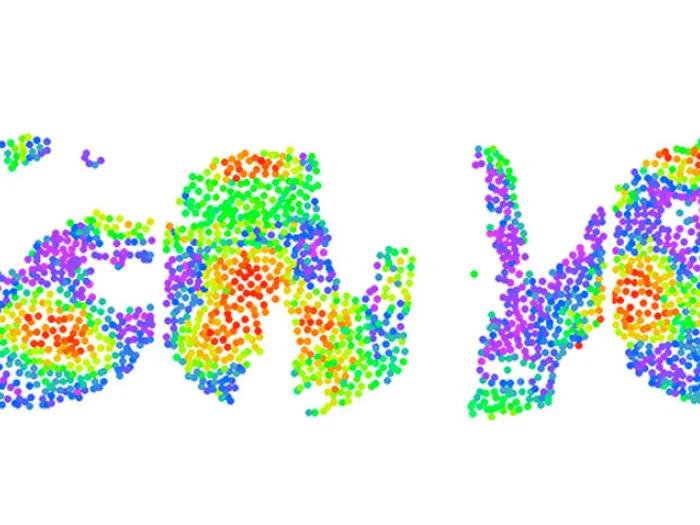
Microscopic imaging without a microscope?
New technique visualizes all gene expression from a tissue.

Health Lab
On the Fence about the COVID-19 Vaccines?
Experts answer lingering questions.

Health Lab
Escape from Oblivion: How the Brain Reboots after Deep Anesthesia
How does the brain wake up after anesthesia? A new study illuminates our understanding of how our brains come back to consciousness after being put under.
Health Lab
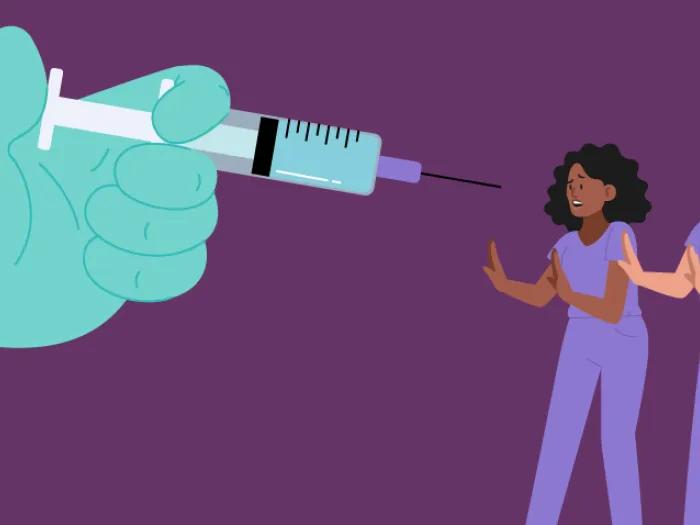
Some Healthcare Providers Among Those Hesitant About COVID-19 Vaccine
Though most healthcare personnel planned to be vaccinated, some were more likely to be reluctant
Health Lab
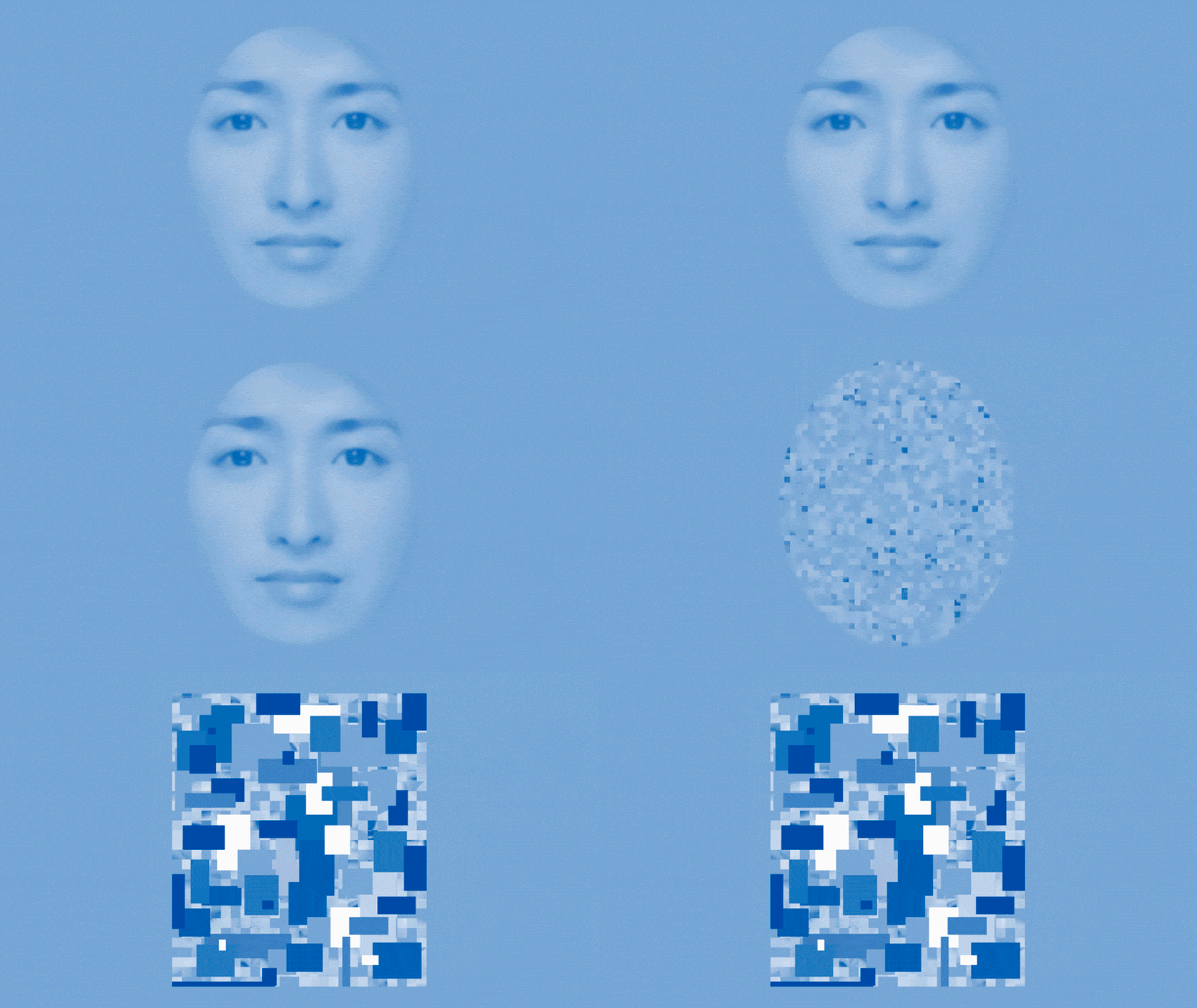
Study Reveals the Gateway to Conscious Awareness
Researchers find out how some sensory information breaks through to conscious experience.
Health Lab
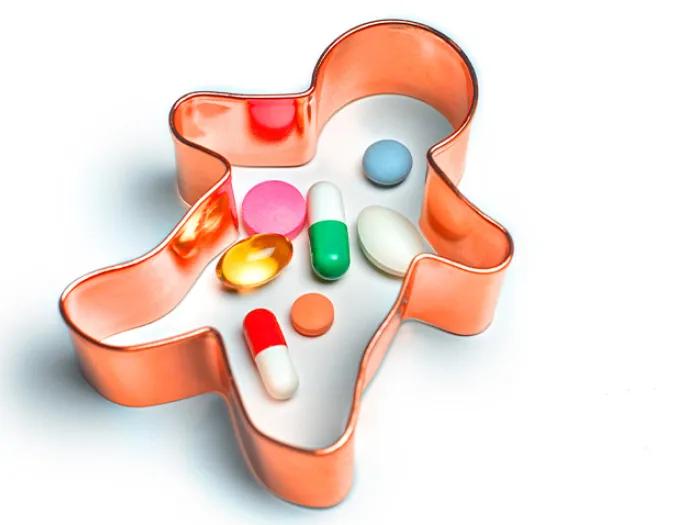
Body’s Natural Pain Killers Can Be Enhanced
A study in cells and mice finds compound works with fewer side effects than opioids.

Health Lab
New Algorithm Uses Online Learning for Massive Cell Data Sets
The method enables researchers to analyze millions of cells with the amount of memory found on a standard computer.
Health Lab
Who Gets a Shot First?
While supplies are limited, experts ponder how to get the COVID-19 vaccines to those who need them most.
News Release
Beth Moore, Ph.D. Appointed Chair of U-M Department of Microbiology & Immunology
The Board of Regents has approved the appointment of Bethany B. Moore, Ph.D., as chair of the Department of Microbiology and Immunology in the Medical School, effective April 1, 2021. She had served as interim chair of the department since July 2019.

Health Lab
Military Microbiologists With a Surprising Connection
Meet the University of Michigan grads on the frontlines of the pandemic working to protect the nation's military.

Health Lab
Two Proteins Critical for Kidney Function
Pax2 and Pax8, known for their role in embryonic development, also key to urine concentration in adults.
Health Lab
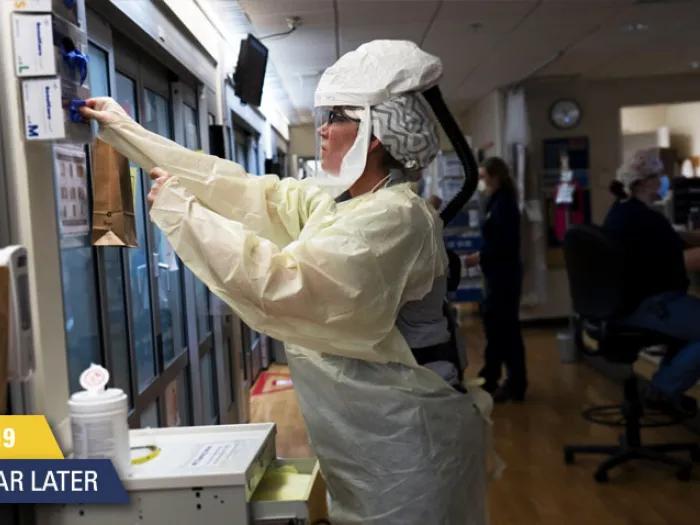
Leading the Way in Practical Treatment of COVID-19
A Michigan Medicine team has created online guidelines for therapies and practical treatments for COVID-19.
