
Kelly Malcom
Lead Research Communicator
Malcom is a lead research communicator for Michigan Medicine and research communications strategist for the U-M Medical School, with more than 20 years of experience in strategic communications, marketing, and health and science writing. She covers the basic science departments, pulmonary and critical care medicine, infectious disease, pathology and anesthesiology. Contact: [email protected]

Health Lab
Study helps explain how xanthan gum, a common food additive, is processed in the gut
Understanding how xanthan gum, a common food additive, is processed in the gut hints at the ability of food additives to actively alter the gut microbiome.

Health Lab
Pulse oximeters are less accurate in Black children
Black children hospitalized with critical illness were more likely to have unrecognized low oxygen levels than White children due to inaccurate pulse oximeter readings, findings consistent with the same health disparity seen in adults.
News Release
$20M Frankel innovation initiative set to kick off third round of funding
Fast Forward Medical Innovation (FFMI)(link is external), a unit of the University of Michigan Medical School Office of Research(link is external), is launching the third round of the Frankel Innovation Initiative(link is external), a $20 million gift from the Maxine and Stuart Frankel Foundation to support the research and development of life-saving therapies at Michigan Medicine, in collaboration with other institutions.
Health Lab
The surprising diversity of the fallopian tube
A study provides a new cell atlas of the female reproductive organ.
Health Lab
Use of opioids before surgery predicts consumption of opioids after surgery
Study points to the need to personalize pain-relief approach.

Health Lab
COVID-19: Where do we go from here?
The CDC’s recent reframing for measuring COVID-19 risk levels has led to changed guidance for mask wearing. The move has left many wondering how to navigate a world where the COVID pandemic is not quite over but is trending toward becoming endemic.

Health Lab
This is your gut on sushi
New study provides insights into how the microbiome processes seaweed.
Health Lab
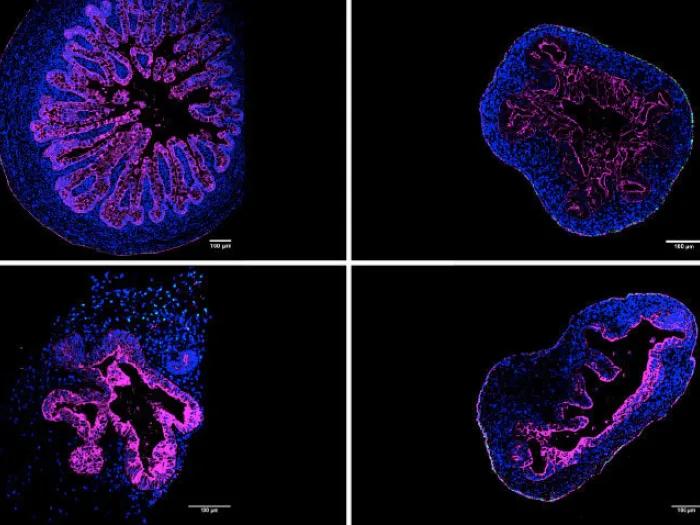
An easier way to grow model organs
Researchers successful generate organoids in suspension, offering a new opportunity for researchers.

Health Lab
18 COVID myths dispelled by experts
Misinformation about COVID has spread in tandem with the virus and its variants. Michigan Medicine experts debunk myths about COVID vaccines, testing, illness, treatments and more.
Health Lab
High-risk antibiotic use common in nursing homes after hospitalization
Prescribing of drugs associated with C. diff infection and antibiotic-resistant pathogens.
Health Lab
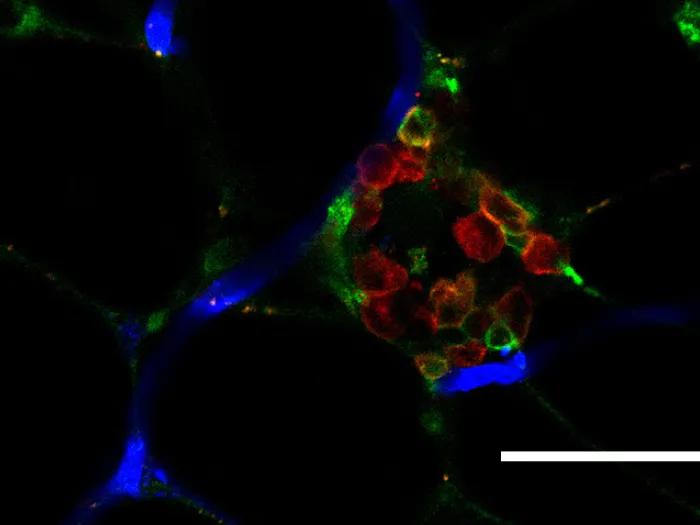
Connecting obesity, diabetes and the immune system using bioinformatics
Clues suggest anti-inflammatory macrophages are different in people with diabetes.
Health Lab
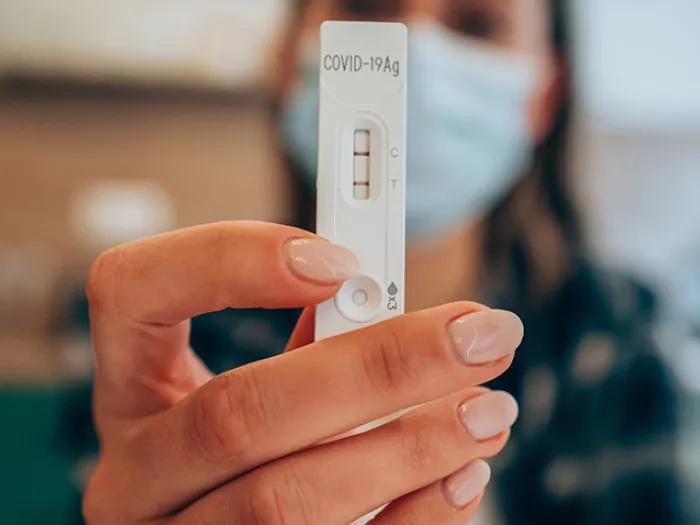
Is Omicron really mild?
With the ballooning cases of COVID worldwide, an expert looks at what is known about the Omicron variant.
Health Lab
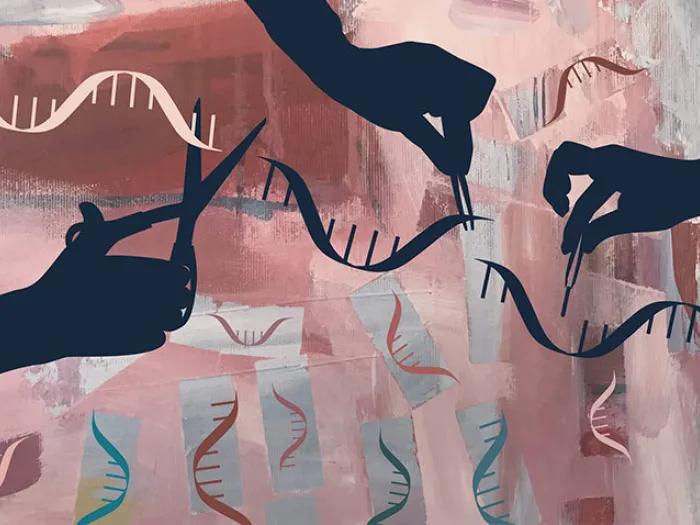
Discovery of a “hidden gem” enables gene editing with a small but mighty CRISPR-Cas3 system
Enhanced research tool is a potential boon for research in genetic diseases and developmental biology.

Health Lab
Size matters in microbiome studies
The size of a microbiome sample from rectal swabs varies from patient to patient and can predict infection risk.

Health Lab
Bacterial genome is regulated by an ancient molecule
The discovery reveals how bacteria silence potentially deadly genes.
