
Kara Gavin
Research and Policy Media Relations Manager
Gavin draws on more than 25 years of experience in communicating about science, medicine and health policy. She focuses mainly on the health services research done by members of the U-M Institute for Healthcare Policy and Innovation, who work to understand and improve the safety, quality, equity and affordability of health care. As part of the Michigan Medicine communication team, she has lead responsibility for primary care and mental health topics. Contact: [email protected]; Twitter: @Karag

Health Lab
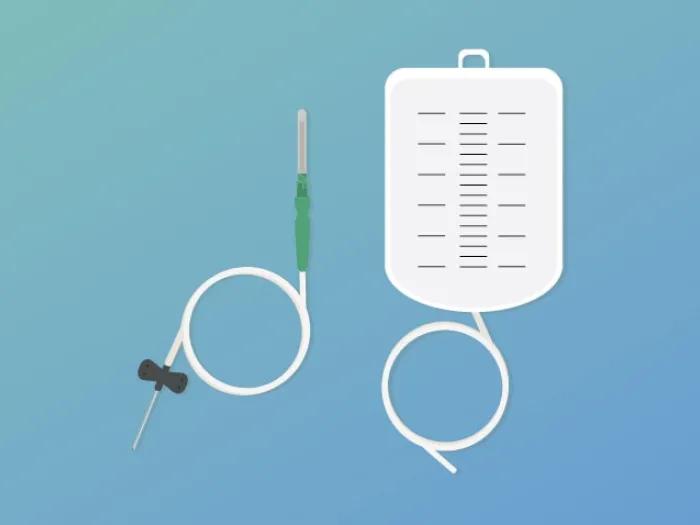
Nursing Homes Cut UTIs in Half Through a Focused Effort on Catheter Care
A collaborative approach with external coaching support makes gains and holds potential to be used for other patient safety issues, researchers say.

Health Lab
A Fish in a Pond or a Needle in a Haystack? DNA Tool Raises Promise, Privacy Concerns
For the first time, researchers connected two different types of DNA snippets to identify individuals. This could help researchers across many fields — but isn’t without risk.
Health Lab
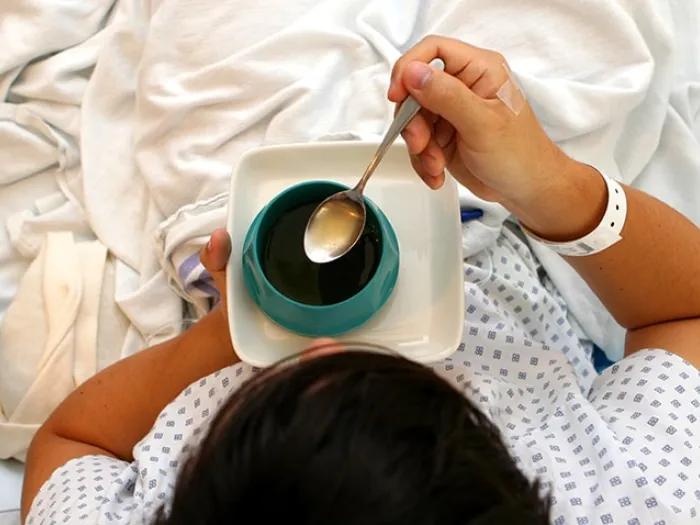
Faster Feeding May Mean Faster Recovery in Pancreatitis, Evidence Shows
Common practice keeps hospitalized pancreatitis patients away from food or IV feeding. But a new analysis finds earlier nutrition might help patients with mild cases recover and go home.

Health Lab
Jimmy Kimmel Sheds Light on How Health Policy Affects Children with Congenital Heart Disease
Learn more about how healthcare legislation can affect children, like Jimmy Kimmel's son, who are born with a congenital heart disease.

Health Lab
Primary Care Doctors Play Key Role at Life’s End, Research Finds
As palliative care and hospice use grow and cost pressures continue, new studies probed variation in care and referrals — and found opportunity.

Health Lab
As Scientists Take to Twitter, Visual Abstracts Help Results Reach More People
When a prominent journal added eye-catching, data-driven graphics to its tweets about research papers, nearly three times as many people clicked the links to read the full study.
Health Lab
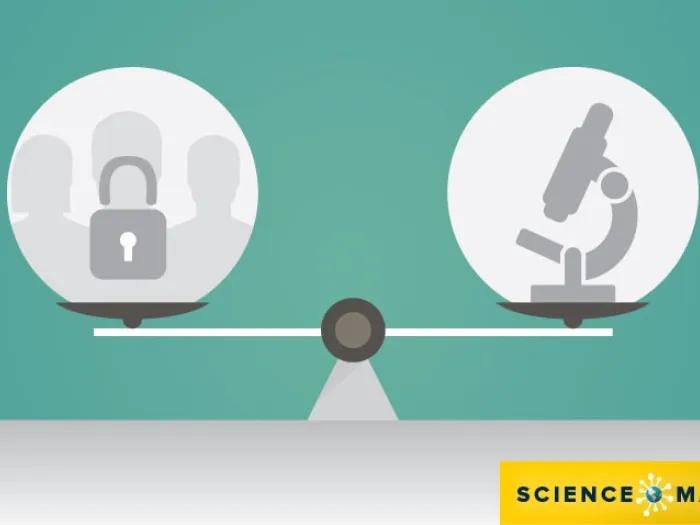
Balancing Medical Discovery and Respect for Patients, with Henrietta Lacks in Mind
Tissue and blood samples taken from patients can hold the keys to biomedical discovery. But the research community must consider patient privacy, a new perspective says.
Health Lab
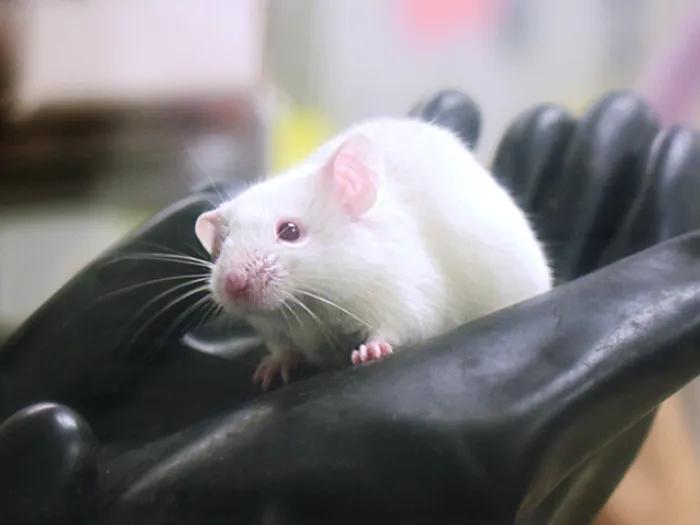
Gut Bacteria May Protect Newborns Against Infections, New Mice Study Shows
Why do so many babies fall victim to infections that invade the gut, but others don’t? Research in germ-free mice yields important clues.
Health Lab
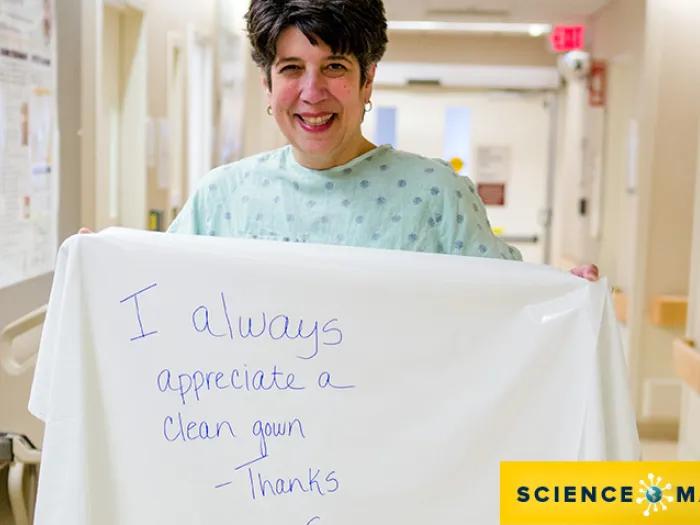
‘We Have to Keep Moving Forward’: The Importance of Research on Patient Care
A patient with chronic pancreatitis is helping shape research on vascular access devices — and much more — at Michigan Medicine.

Health Lab
The Body’s Microscopic Environment, Free for Educators and Researchers Worldwide
When it comes to understanding the human body, seeing is believing. Now, a new website allows teachers and students anywhere to look through a “virtual microscope.”

Health Lab
Common Drugs, Uncommon Risks? New Study Looks at Serious Health Problems After Short-Term Steroid Use
Many adults take corticosteroids for short-term symptom relief — but providers may want to consider possible side effects more closely.
Health Lab
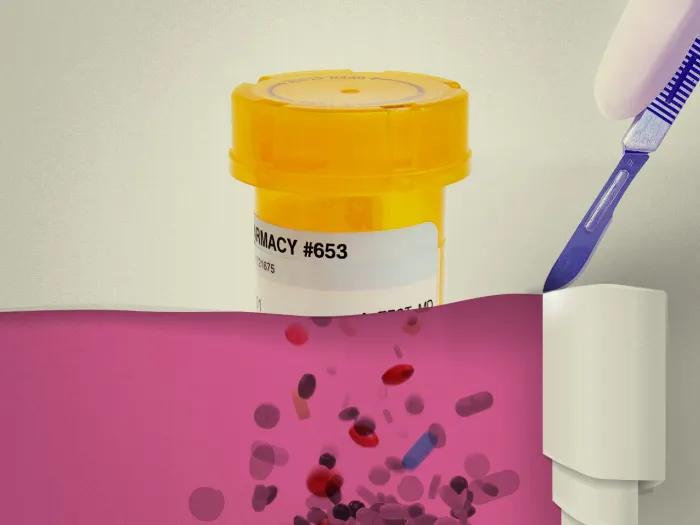
In the Jump from Opioid-Free to Long-Term User, Surgery Plays a Key Role
For some surgery patients, a prescription to ease postoperation pain leads to continued opioid use months afterward.

Health Lab
Honesty May Not Be the Best Policy for Hospital Safety Grades, Study Suggests
Researchers grade one of the longest-running report cards for hospitals — and find it needs a tuneup.
Health Lab
Which Self-Help Websites Actually Improve Health? New Research Yields a List
Plenty of websites promise to help people with health issues — but many lack gold-standard testing or public access. Research highlights the right resources for those in need.

Health Lab
Drug and Alcohol Problems Linked to Vet Suicides, Especially in Women
Veterans already have an increased risk of suicide. Those with substance use disorders or mental health conditions are in particular need of help, a new study asserts.
