
Kara Gavin
Research and Policy Media Relations Manager
Gavin draws on more than 25 years of experience in communicating about science, medicine and health policy. She focuses mainly on the health services research done by members of the U-M Institute for Healthcare Policy and Innovation, who work to understand and improve the safety, quality, equity and affordability of health care. As part of the Michigan Medicine communication team, she has lead responsibility for primary care and mental health topics. Contact: [email protected]; Twitter: @Karag

Medicine at Michigan
Turning Tragedy Into Discovery
A gift from the Prechter family supports bipolar research
Health Lab
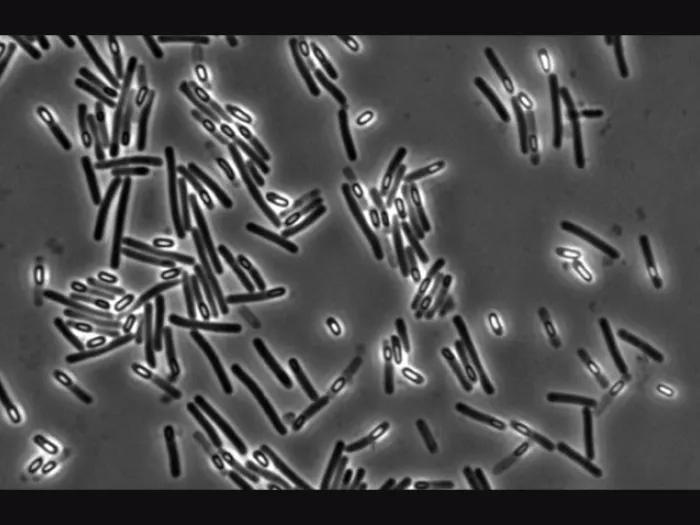
Study: Calcium Levels Could Be Key to Contracting — and Stopping — C. Diff
Clostridium difficile infection and prevention could be linked to excess gut calcium in awakening and prevention, according to new information on c. diff.

Health Lab
‘The Search for Exact Truths’: How Microbiologist Frederick Novy Changed the Field
A Michigan pioneer paved the way for better infectious disease prevention and care, and for medical school-based research. A new book tells his story.

Health Lab
How to Pick the Right PICC for a Patient? There’s an App for That
A new digital tool offers an evidence-based guide to vascular access devices that could change bedside decisions — and boost patient safety.

Health Lab
Older Americans Don’t Get — or Seek — Enough Help from Doctors and Pharmacists on Drug Costs, Poll Finds
Results from the new National Poll on Healthy Aging reveal opportunities for patients to speak up, and for professionals to aid more.
Health Lab
Want to Save on Prescription or Over-the-Counter Drugs? Speak Up
If you feel hamstrung by the high price of medication, here’s what to tell your doctor and pharmacist, plus tips on how to cut out-of-pocket costs.

Health Lab
Health Services Research: Bridging the Gap Between Policy and Patients
As the nationwide health care debate roars on, lauded U-M health policy researcher John Z. Ayanian, M.D., M.P.P., reflects on research’s role.

Health Lab
Medicaid Expansion Helped Enrollees Do Better at Work or in Job Searches
A survey and interviews with newly covered Michigan residents show a positive effect on physical and mental health — and, in turn, employment.

Health Lab
Doctors and Devices: a New Way to Spot Warning Signs Earlier
Data-mining medical bills may help protect patients from dangerous complications stemming from medical devices, a U-M team suggests.

Health Lab
Can Brain Games and Exercise Prevent Dementia? We Don’t Know Yet
A new report finds encouraging, but still inconclusive, evidence that exercising the brain and body can decrease the long-term risk of cognitive decline.

Health Lab
Sunset, Sunrise: Programs Take Training of Health Policy ‘Wonks’ to New Levels
As the nation’s premier health policy training program for clinicians shuts down, new programs have risen to take its place.
Health Lab
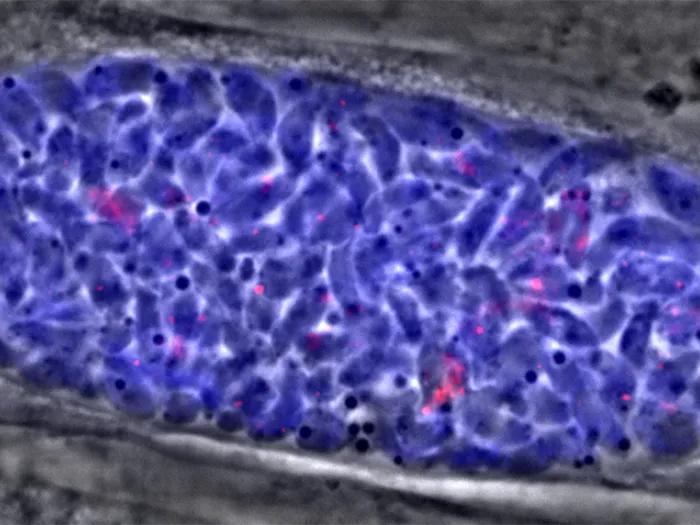
How to Stop the Lurking Toxoplasmosis Parasite? Target Its ‘Stomach’
The stubborn cyst form of a common parasite can’t cause disease without a key digestion factor, new mouse research shows. This suggests an avenue for future treatments.

Health Lab
America Sits on Top in Science — but China Is Rising Fast
As funding for basic science research and education stalls in the U.S. and other countries, competition from China is skyrocketing, a new study finds.

Health Lab
Revealed: How a Virus Tricks Cells into Helping It Build an Invasion Route
Polyomavirus harnesses cellular “motors” to bring together the supplies that can build a portal for itself, researchers show.
Health Lab
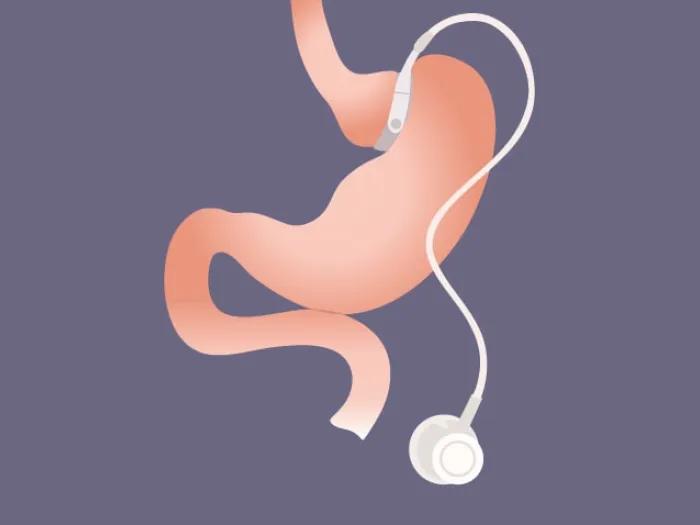
Probing Problems with Bariatric Surgery: Reoperation, Variation Are Common
Nearly 1 in 5 patients with a lap band undergoes multiple device-related reoperations, and complication rates range widely among hospitals, new research finds.
