
Kara Gavin
Research and Policy Media Relations Manager
Gavin draws on more than 25 years of experience in communicating about science, medicine and health policy. She focuses mainly on the health services research done by members of the U-M Institute for Healthcare Policy and Innovation, who work to understand and improve the safety, quality, equity and affordability of health care. As part of the Michigan Medicine communication team, she has lead responsibility for primary care and mental health topics. Contact: [email protected]; Twitter: @Karag


Health Lab
America doesn’t have enough hospital beds. This could help
The Michigan Medicine Capacity Command Center, known as M2C2, and operational changes have accelerated bed assignment, transfer acceptance and discharge while reducing length of stay for adult inpatients.

Health Lab
Medicaid work rules are coming; a top researcher recommends actions to take now
A University of Michigan Medicaid research leader spells out what doctors, clinics, health systems, researchers and community organizers should do – and what they need.

News Release
175 years of U-M medical history come alive in museum exhibit
A free museum exhibit explores the medical history of the University of Michigan from 1850 to today.

Health Lab
Most older drivers don't think about the road ahead, poll suggests
Most people over 65 drive at least weekly and are confident they can drive safely, but most aren’t aware they can plan ahead for a time when it’s no longer safe for them to drive.

Health Lab
How to discuss health care and end-of-life wishes during the holidays
The holidays are a great time to discuss end-of-life decisions. Learn the importance of having a health care power of attorney & discussing it with your family.

Health Lab
AI and psychosis: What to know, what to do
Artificial intelligence chatbots such as ChatGPT that use large language models (LLMs) to allow people to engage in conversations may heighten the risk of psychosis in vulnerable people – including teens and young adults.
News Release
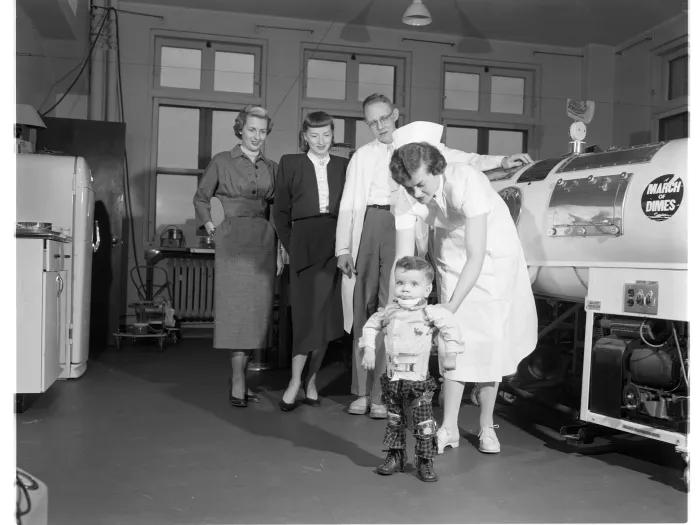
Looking back on another virus battle: U-M’s role in polio history
Ask someone in their 70s or older, and they’ll probably remember the fear that gripped the United States in the summers of their childhood, as outbreaks of a deadly virus cropped up across the country.

News Release
Serving those who served: U-M and the VA Ann Arbor hospital
Across the country, university hospitals and medical schools had stepped forward to partner with the Veterans Administration and make sure that care was available

Health Lab
Colon cancer screening: New data point to ways to boost uptake and follow up
Noninvasive colon cancer screening options have increased; new research looks at patient and physician preferences and impact of full follow-up colonoscopy insurance coverage.

Health Lab
Palliative care and hospice poll reveal major gaps
Hospice and palliative care knowledge among older adults varies greatly, but once they hear a definition, most are interested in receiving such care if they qualified.

Health Lab
As Medicaid work requirements loom, study finds links between coverage, better health and higher employment
A study of Michigan Medicaid expansion enrollees shows connections between coverage, health and employment.

Health Lab
Disability after 50: Poll looks at self-identity and help with health care
People over 50 who have serious or significant health conditions may not identify as disabled, nor ask for or receive accommodations in health care that the ADA provides for.
News Release
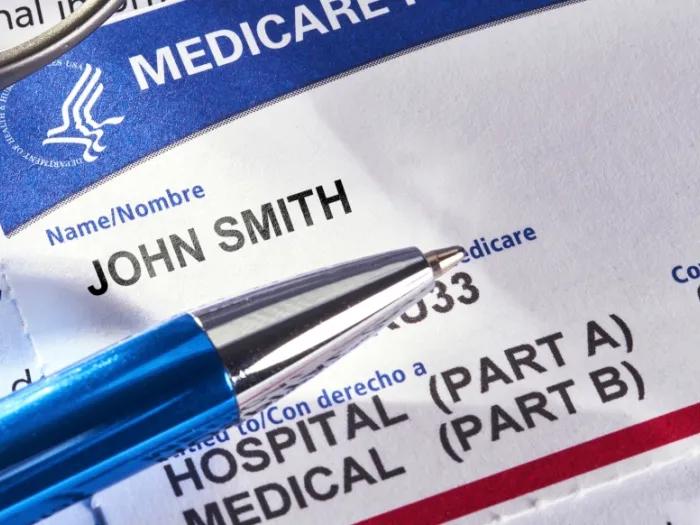
POM ACO saved Medicare nearly $35 million in 2024 while delivering high-quality care
An accountable care organization that includes physicians and providers from the University of Michigan Health network and others has saved Medicare $35 million in the MSSP program.
Health Lab
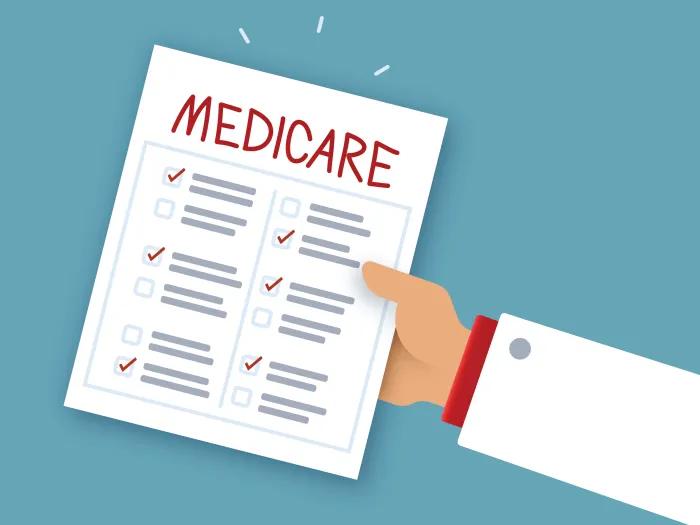
5 things everyone with Medicare should do right now
Part D prescription coverage and Medigap can be confusing. Follow these tips informed by U-M research.
Health Lab
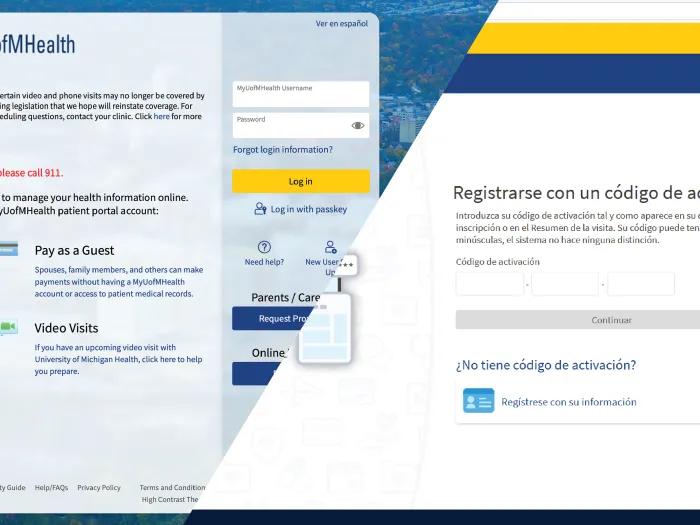
Language barriers in health care have fallen – but not online, study shows
A study of patient portal pages on hospital websites shows a lack of translation into languages beyond English and Spanish, which could create barriers to telehealth and other aspects of care.
