
Kara Gavin
Research and Policy Media Relations Manager
Gavin draws on more than 25 years of experience in communicating about science, medicine and health policy. She focuses mainly on the health services research done by members of the U-M Institute for Healthcare Policy and Innovation, who work to understand and improve the safety, quality, equity and affordability of health care. As part of the Michigan Medicine communication team, she has lead responsibility for primary care and mental health topics. Contact: [email protected]; Twitter: @Karag


News Release
Six U-M medical research teams picked for virtual science tournament
The March Madness of science, called STAT Madness, brings attention to scientific research at U-M and around the nation; six U-M-led teams have made it to this year's tournament run by a health news organization.

News Release
U-M Health again named among world’s best hospitals
The Newsweek Statista World's Best Hospitals ranking for 2026 puts U-M Health again in the top tier of hospitals globally and nationally

Health Lab
Pets can help older adults’ health and well being, but may strain budgets too
Having a dog, cat or other pet can help older adults stay active and maintain a sense of purpose, but pet-related costs may increasingly strain their budgets, a new poll suggests.

Health Lab
Life-destroying addiction can start at a corner store
In this story a patient, his doctor and other Michigan Medicine experts warn of dangers of 7-OH, which is touted as a derivative of kratom and is widely available, but packs far more opioid danger.

News Release
A long time coming: The saga of today’s University Hospital
The "Old Main" University Hospital that opened in 1925 was finally replaced in 1986 with the opening of a new adult hospital and outpatient center

News Release
Pioneers and pathbreakers: Black History milestones at Michigan Medicine
As part of the celebration and examination of U-M medical history, an overview of some of the key Black Americans who learned, taught, worked and led at the Medical School and beyond.
Health Lab
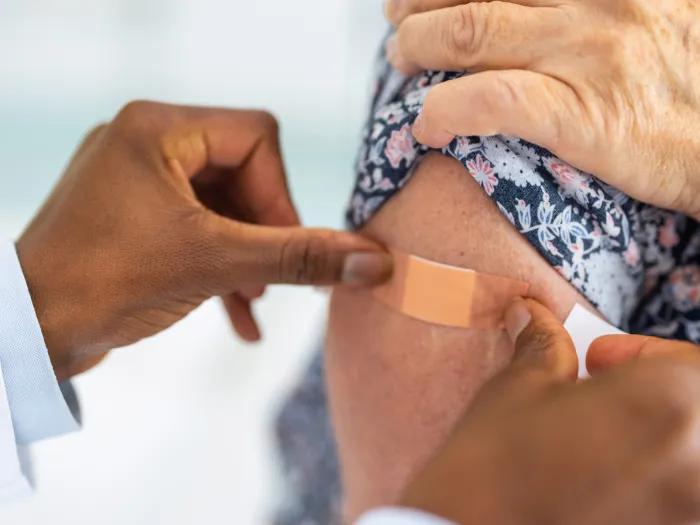
Why aren’t more older adults getting flu or COVID-19 shots?
Many older adults who didn’t get updated flu and COVID-19 vaccines say they thought they didn’t need the shots, despite strong evidence that they reduce the risk of severe illness in this age group.

Health Lab
New guide aims to tame the chaos of UTI care
Urinary tract infection symptoms can be treated with antibiotics in some patients without further testing, but overuse of antibiotics can breed resistance and under-testing can overlook other issues. A new guide could help.

Health Lab
Missing Medicare data alters hospital penalties, study finds
The Hospital Readmission Reduction Program may inadvertently penalize hospitals that serve high percentages of Medicare Advantage enrollees, costing millions of dollars in financial.
Health Lab
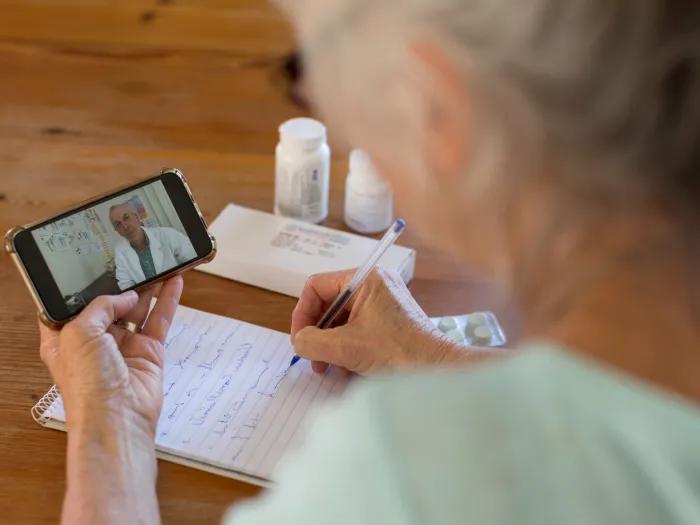
With telehealth coverage on the brink, study shows it hasn’t driven up total visits
Telehealth coverage under Medicare hasn’t led to an increase in total visits since 2020, but different medical specialties, especially mental health, have different rates of use.

Health Lab
9 easy New Year’s resolutions for people over 50
Findings from the National Poll on Healthy Aging suggest 9 things that people over 50 can resolve to do in the new year.

Health Lab
Could AI help doctors spot risky drinking habits?
Alcohol use disorder and risky alcohol drinking habits are important for primary care providers to know about and address with patients; artificial intelligence could help.

Health Lab
Worried about health insurance for 2026? Read this
The cost of health insurance for people who need to buy ACA plans (also called Obamacare) is causing uncertainty for 2026. U-M experts advise on what to do.

Health Lab
Want to curb cannabis-related crashes? Don’t forget older adults
Cannabis use before driving can increase crash risks. A new study of people over 50 looks at who is most likely to use marijuana within two hours of driving.

Health Lab
How can nursing homes protect more patients from infections?
Nursing home infection prevention and control is the subject of a new national guideline that includes MDRO “superbug” precautions, PPE, antibiotic stewardship and more.
