
Kara Gavin
Research and Policy Media Relations Manager
Gavin draws on more than 25 years of experience in communicating about science, medicine and health policy. She focuses mainly on the health services research done by members of the U-M Institute for Healthcare Policy and Innovation, who work to understand and improve the safety, quality, equity and affordability of health care. As part of the Michigan Medicine communication team, she has lead responsibility for primary care and mental health topics. Contact: [email protected]; Twitter: @Karag

Health Lab
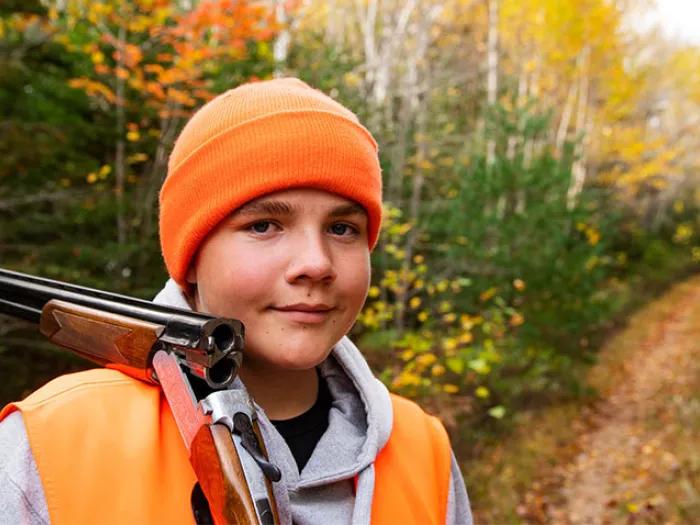
Tailored approach makes inroads in rural firearm safe storage
Rural gun-owning families responded favorably to a customized intervention to increase safe storage of rifles, handguns and other firearms in homes with children.
Health Lab
Firearm injuries in kids leave lasting mental scars, study finds
New mental health diagnoses are common after a firearm injury or a motor vehicle crash injury in children and teens, but more common in those who have been shot.
Health Lab
Homelessness, hospitals and mental health: Study shows impacts and costs
Housing status isn’t always recorded in medical records, so researchers say new data are likely just the “tip of the iceberg”.

Health Lab
Major financial pain follows major injury, study says
Medical debt in collections and bankruptcy much higher in working-age adults after hospitalization for traumatic injury, suggesting need for strategies to reduce financial burden.

Health Lab
Smoking, drinking means higher surgery risks, but health coaching before surgery could help
Reoperations, readmissions, surgery complications and emergency visits highest among surgery patients with risky drinking and smoking, but raising awareness of alcohol related surgery risk can reduce use.
Health Lab
Many middle-aged adults wary of taking part in studies of dementia prevention drugs
Health providers could help by discussing the topic with patients, analysis of National Poll on Healthy Aging data suggests.
Health Lab
Could “Choosing Wisely” help fight health worker burnout?
Managers should involve clinicians in efforts to cut back on unneeded or unproven tasks, team says.

Health Lab
A critical source of health help for older loved ones
A poll shows how many members of the ‘sandwich generation’ of people in their 50s, 60s and beyond act as a crucial source of health-related caregiving and household help for older Americans.

Health Lab
5 bits of good news about health insurance
Changes to health plan costs and coverage from healthcare.gov, the impact of the Inflation Reduction Act, and the likely end of the public health emergency in 2023, make this an important Open Enrollment season.

Health Lab
Inequality linked to differences in kids’ brain connections
Brain connection study shows that socioeconomic factors, including at-home enrichment, are associated with widespread differences in children’s brain connections.
Health Lab
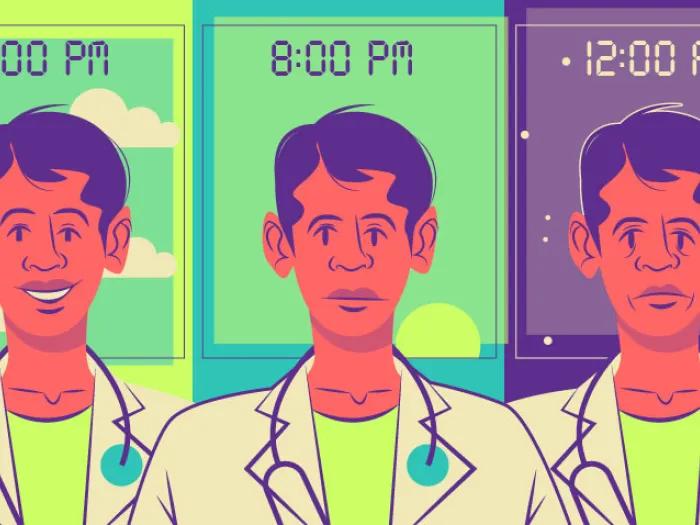
Stressed at work? A recent study focused on new doctors finds depression risk rises with hours worked
Depression and high numbers of duty hours worked by first-year doctors, called interns, are linked closely, with higher PHQ-9 screening scores among those working the most hours.
Health Lab
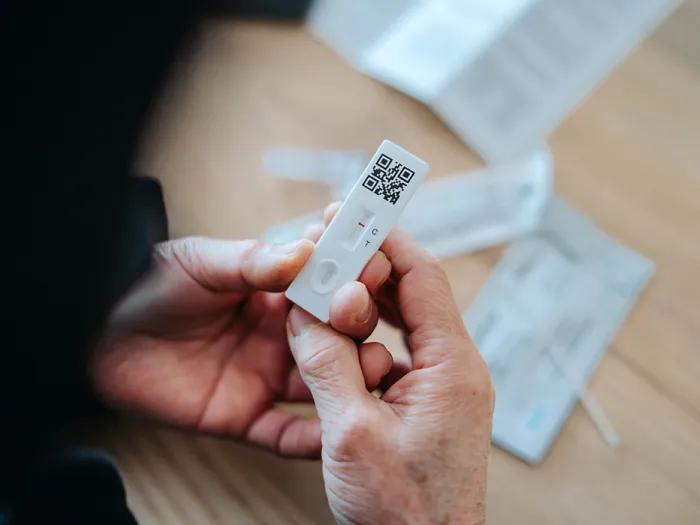
Medical tests at home: Poll shows high interest, uneven use
Direct-to-consumer home-based tests for infections, cancer, genetic traits and more are widely available but regulation, authorization or approval by FDA is not always clear.

Health Lab
Opioid addiction treatment disparities could worsen if phone telehealth option ends, study suggests
Veterans receiving buprenorphine were more likely to stay on it if they had virtual visits, but phone-based virtual care was especially prominent among those who are Black or lack stable housing.
Health Lab
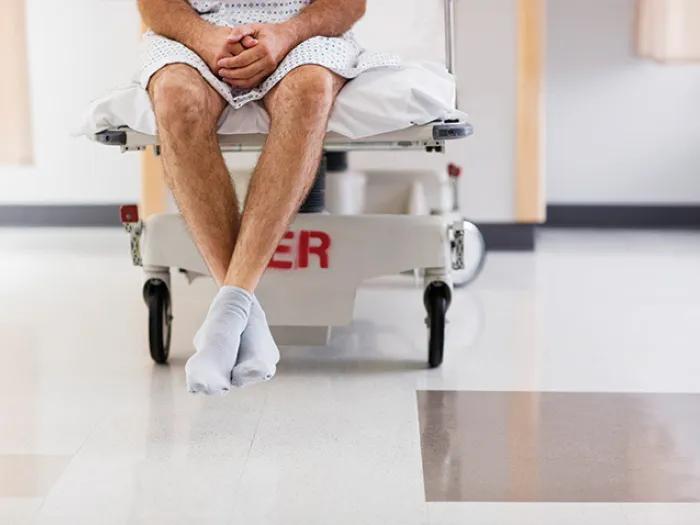
An emergency in U.S. emergency care
Full emergency rooms, made worse by hospital staffing shortages, have led more patients to leave without being seen or to wait for hours in the emergency department for a hospital bed
Health Lab
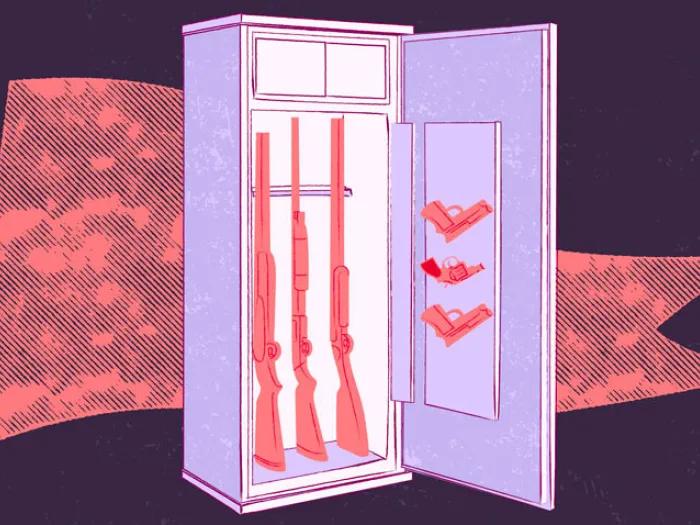
Nine ways to prevent firearm tragedies near you
More injuries and deaths from firearms, including guns and rifles, could be prevented if parents and others took steps to lock weapons up, report problem behavior and teach children safety
