
Kara Gavin
Research and Policy Media Relations Manager
Gavin draws on more than 25 years of experience in communicating about science, medicine and health policy. She focuses mainly on the health services research done by members of the U-M Institute for Healthcare Policy and Innovation, who work to understand and improve the safety, quality, equity and affordability of health care. As part of the Michigan Medicine communication team, she has lead responsibility for primary care and mental health topics. Contact: [email protected]; Twitter: @Karag

Health Lab
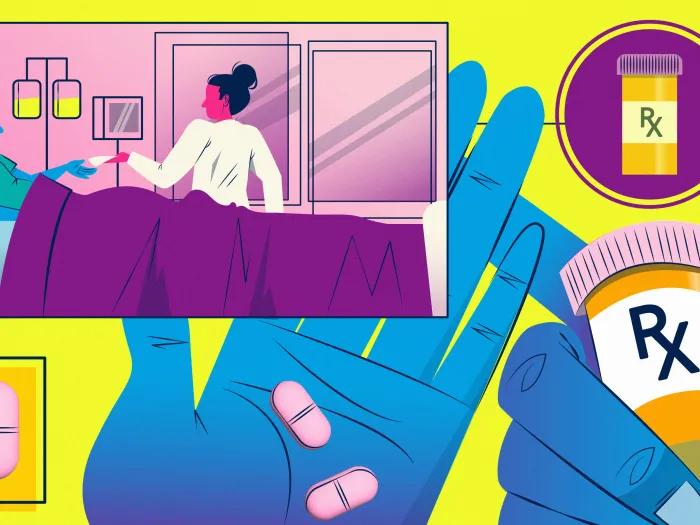
How one state beat national surgery opioid trends
Medication guidelines for post-surgical opioid prescribing were associated with a lower rate of long-term opioid use and much lower amounts of opioid prescription fills in Michigan compared with the rest of the U.S.
Health Lab
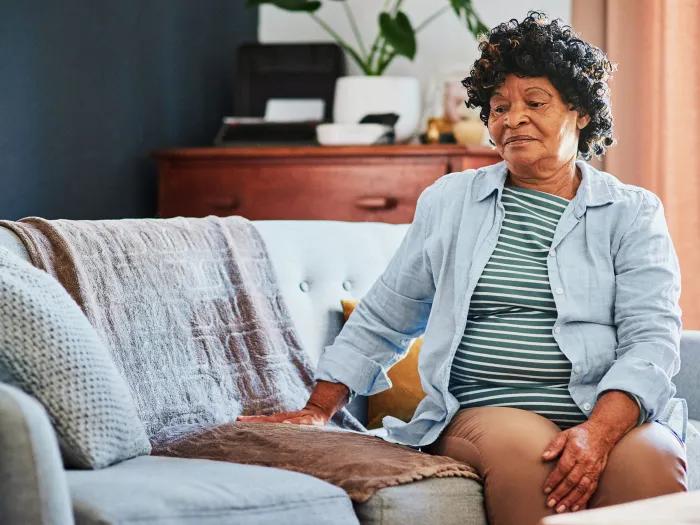
Loneliness is down, but still high, among older adults
Older adults are less likely to feel isolated now than at the height of the pandemic, but levels of loneliness are still high.
Health Lab
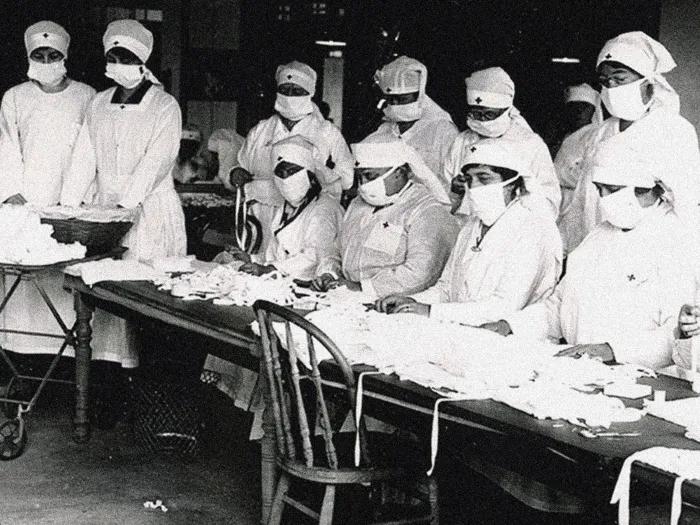
History saved lives in this pandemic. Will society listen next time?
The success of efforts to “flatten the curve” in the COVID-19 pandemic relied on University of Michigan research on the 1918 influenza pandemic.
Health Lab
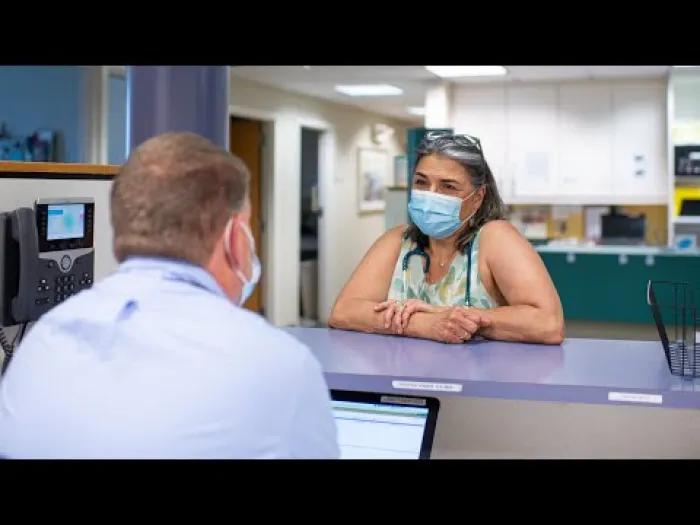
A ‘game changer’ for mental health
The MC3 program provides psychiatric expertise on-demand to primary care providers in Michigan as they manage mental health conditions in young or pregnant patients

News Release
Four U-M science teams picked for STAT Madness tournament
Four research teams, all led by researchers from Michigan Medicine, have been picked for the STAT Madness tournament based on papers published in 2022 on a wide range of topics, from COVID-19 to gut microbes to depression risk.

Health Lab
1 in 8 Americans over 50 show signs of food addiction
Highly processed foods can act on the brain in ways that spark cravings, emotional reactions and signs of addiction, and a new poll shows how many older adults experience this.
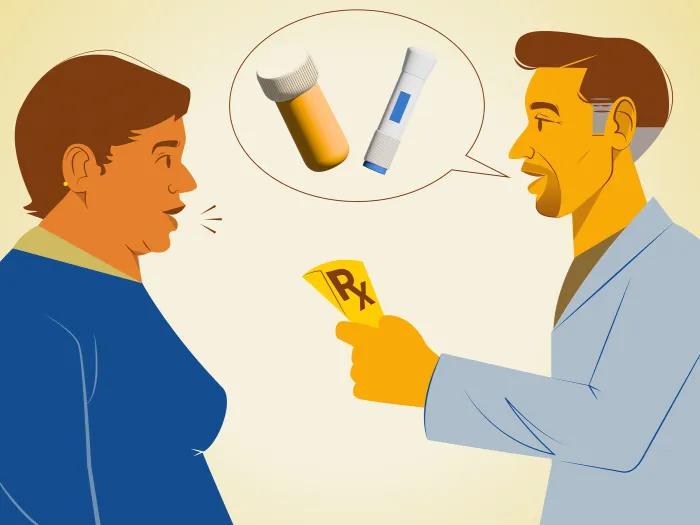
Health Lab
Got questions about weight-loss drugs? These experts have answers
Courtney Weirauch didn’t know what lymphangioleiomyomatosis was – but she quickly learned about the rare lung condition and how it would impact her life.

Health Lab
Support from others in stressful times can ease impact of genetic depression risk
Stress can interact with genetic vulnerability to depression, and with added or lacking support from friends and family, to affect depressive symptoms.

Health Lab
Health insurance changes are coming – don’t get caught without coverage
An “unwinding” of pandemic-era policies for Medicaid and other insurance programs for low-income people means millions of people have to submit information about their incomes or get new insurance plans

Health Lab
Peek inside a bank full of priceless gifts
Blood banks need constant supply of deposits to meet the needs of patients with cancer, traumatic injuries, failing organs, blood diseases and more.

Health Lab
Suicidal teens and other kids in mental health crisis languish in ERs
Children and teens experiencing mental health emergencies wait longer for care than those with non-mental emergencies.
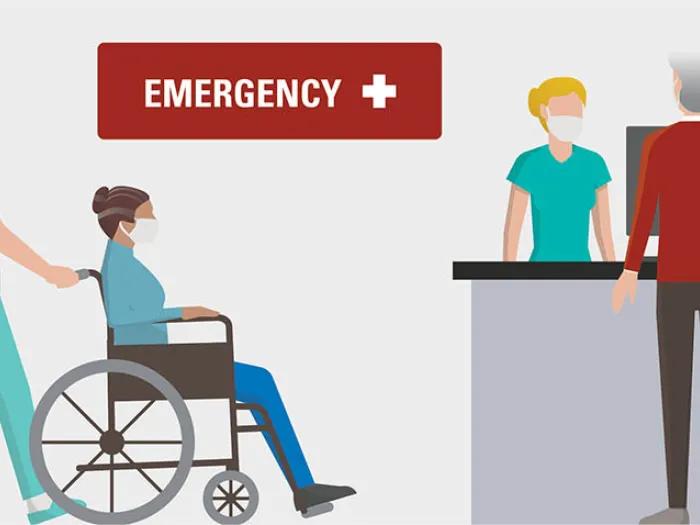
Health Lab
Cost concerns keep older adults from seeking emergency care
People in their pre-Medicare years, especially those uninsured or with low incomes, are most likely to skip a trip to the ER because of what they might have to pay.
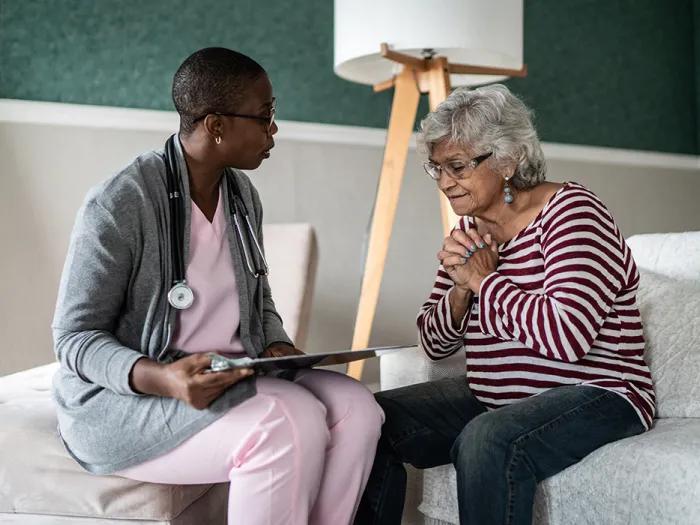
Health Lab
Most older adults are wary of mixing health care and religion or spirituality, poll finds
But majority see role for health care providers in finding meaning or hope in the face of illness, and are comfortable discussing their beliefs with their providers.

Health Lab
“Sandwich generation” study shows challenges of caring for both kids and aging parents
Millions of American caregivers are part of a sandwich generation caring for aging parents and children. A new study shows the stress they’re under.
Health Lab
No advantage to Medicare Advantage seen in heart attack survival
The gap in this key outcome for traditional and private-insurer Medicare participants has narrowed in recent years, though differences remain in care during and after hospitalization.
