
Ananya Sen
Sen covers cancer clinical care and pediatric cancer research, ophthalmology, endocrinology, diabetes, emergency medicine, survival flight, and children's and women's health. Sen completed her Ph.D. in Microbiology from the University of Illinois Urbana-Champaign where she then worked as a science writer after graduation.

Health Lab
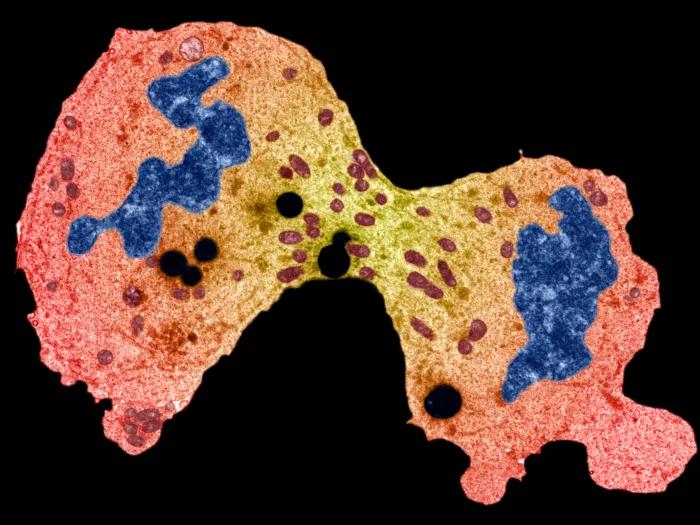
New strides in Ewing sarcoma research
Patrick Grohar answers questions about symptoms, treatments and research initiatives that are being undertaken with respect to Ewing Sarcoma.

Health Lab
Misfolded proteins accumulate in the mitochondria of patients with type 2 diabetes
Aging-related diseases, including cancer, cardiovascular disorders and type 2 diabetes, are associated with defects in protein synthesis and folding. In a new study, researchers at the University of Michigan found that mitochondria also accumulate misfolded proteins, which kills insulin-producing β-cells of patients with type 2 diabetes.

Health Lab
How do spaceflights and long term planetary missions affect vision?
Joshua Ong, M.D., resident physician at University of Michigan Kellogg Eye Center answers questions about how spaceflight affects vision and what protective measures astronauts use.
Health Lab
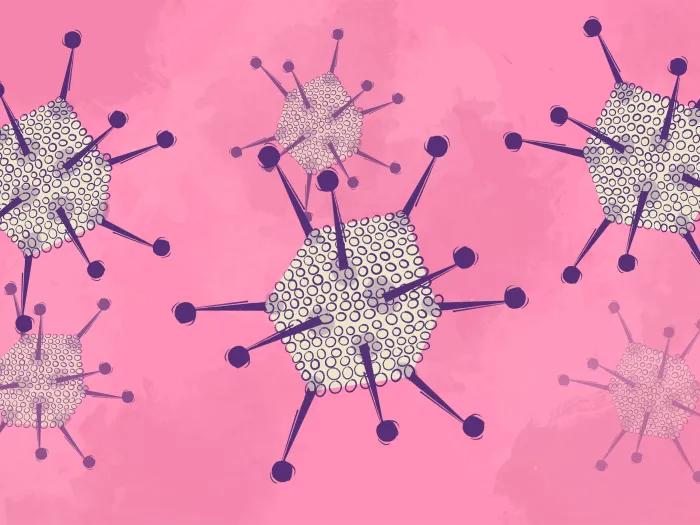
New clinical trials for pediatric brain tumors
Brain and spinal cord tumors account for one in four childhood cancers. Although 75% of children survive for at least five years after being diagnosed, many patients have recurrent tumors that cannot be cured. Andrea Franson discusses current therapies for pediatric brain tumors, how viruses can be used to target tumor cells and the new phase 1 trial that started in May 2025.

Health Lab
Treating a rare eye condition in a 7-year-old
Charlotte Dengler was diagnosed with an eye lesion that compromised her vision and underwent surgery at Kellogg to remove the lesion and now her vision is being slowly restored.

Health Lab
What does Joe Biden’s prostate cancer diagnosis mean for older patients?
Based on former President Joe Biden's recent diagnosis, a Michigan Medicine urologists discusses routine screening procedures and treatment outcomes.

Health Lab
Researchers discover new protein target for childhood medulloblastomas
Group-3 medulloblastomas are aggressive and incurable, contributing to childhood cancer deaths. Led by University of Michigan researchers, a study identified a new target for Group-3 medulloblastomas. The results help identify new therapeutic avenues for treating these deadly tumors.

Health Lab
Interplay between key proteins could serve as a target for cancer treatment
University of Michigan researchers have identified that the balance between two proteins—STAT3 and STAT5—is important for making tumors vulnerable to immune checkpoint therapy, and targeting STAT3 degradation is a potential novel cancer immunotherapy strategy.
Health Lab
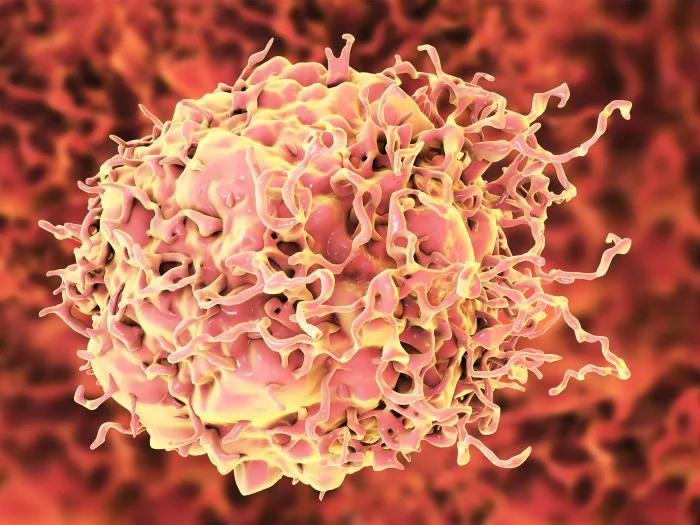
Researchers identify roles of key genes in colon cancer development
Researchers used mouse models and studies of colorectal cancer tissues to show that loss of SOX9 gene promotes tumor progression and the pathway it regulates can be a potential target for future treatments.

News Release
AACR 2025 Rogel Recap
Over 70 Rogel Cancer Center researchers participated in presentations, poster sessions and as session moderators at the AACR 2025 Conference in Chicago, IL.

Health Lab
More men with prostate cancer are avoiding unnecessary surgery
Researchers at University of Michigan showed that the proportion of patients undergoing prostatectomy for the lowest risk type of cancer dropped over fivefold between 2010 to 2024.

Health Lab
Drug combination reduces breast cancer risk and improves metabolic health in rats
Researchers investigated the combined effects of bazedoxifene and conjugated estrogens in rat models as an alternative to tamoxifen.

Health Lab
Drug targets identified for pancreatic cancer
U-M researchers have discovered that simultaneously targeting PIKfyve and KRAS-MAPK can eliminate tumors in preclinical human and mouse models.
Health Lab
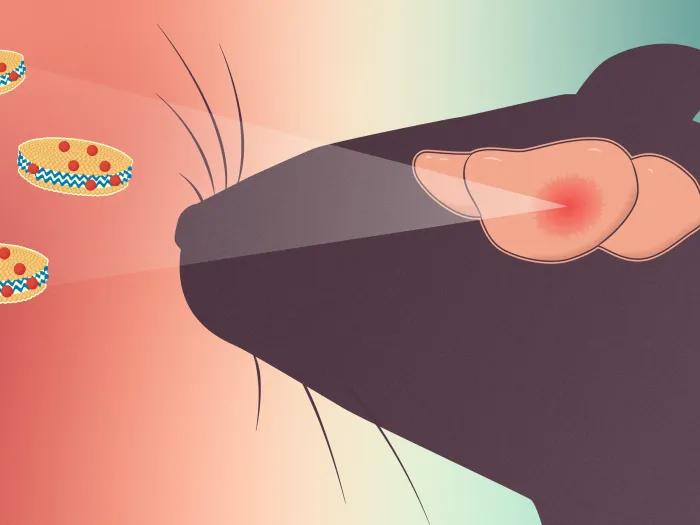
Researchers use nanoparticles to target glioblastoma in mice
University of Michigan researchers have created nanodiscs that can target cholesterol levels in GBM, starving the cancer cells and increasing survival rates of the treated mice.

Health Lab
For eye infections, delayed doctor visits and extent of damage affect vision outcomes
Physicians followed 562 patients in the U.S. and India over a three-month period to identify risk factors for eye infections that could be easily managed with early intervention.
