
Ananya Sen
Sen covers cancer clinical care and pediatric cancer research, ophthalmology, endocrinology, diabetes, emergency medicine, survival flight, and children's and women's health. Sen completed her Ph.D. in Microbiology from the University of Illinois Urbana-Champaign where she then worked as a science writer after graduation.


Health Lab
Understanding family history key to early detection of pancreatic cancer
How genetic testing and family history help identify individuals at high risk for pancreatic cancer, enabling earlier screening and better treatment outcomes.

Health Lab
Patient with rare form of diabetes finds answers in genetic testing, clinical trials
Discover how genetic testing and a groundbreaking clinical trial helped one man overcome rare hyperchylomicronemia, high triglycerides, and pancreatitis.
Health Lab
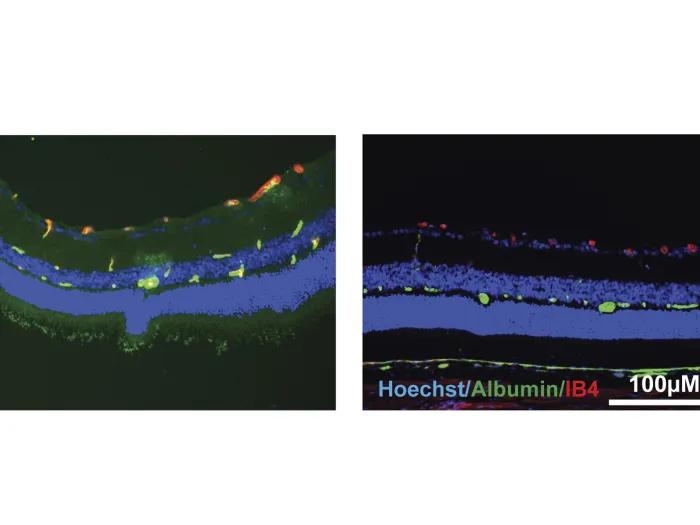
Treatment with norrin helped maintain healthy blood vessels, preserved vision in diabetic rats
Study reveals norrin treatment prevents vision loss from diabetic retinopathy in early and late stages, paving the way for new therapies.

Health Lab
Comprehensive DNA sequencing reveals hidden drivers of cancer
Two research papers describe how long-read nanopore sequencing can detect alterations in cancer cells that might be missed by conventional sequencing.

Health Lab
‘Molecular glue’ stabilizes protein that inhibits development of non-small cell lung cancer and uterine cancer
University of Michigan researchers found a new protein target PP2A and developed a drug to treat non-small cell lung cancers that have KRAS mutations.

Health Lab
Exceptional response to immunotherapy gives patient with liver cancer more milestones to celebrate
U-M Health Rogel Cancer Center used single-dose immunotherapy and transplant oncology to treat advanced hepatocellular carcinoma in a 69-year-old patient.

Health Lab
New insight into how lipodystrophy can affect overall health
What is lipodystrophy? Expert insights on partial vs. generalized fat loss, health complications, leptin therapy, and emerging clinical research.

Health Lab
Nerf gun accident causes retinal detachment in pediatric patient
An 8-year-old boy suffered a retinal detachment after a Nerf dart injury, requiring surgery at University of Michigan Health’s Kellogg Eye Center. Learn the warning signs of toy gun eye injuries and why protective eyewear is essential for children.

Health Lab
FDA-approved drug offers hope for patients with polycythemia vera, a rare bone marrow disorder
FDA-approved rusfertide offers new hope for polycythemia vera patients by reducing phlebotomy dependence, easing symptoms, and improving daily life.

Health Lab
Pediatric patient treated for rare kidney cancer
When 18-month-old Maria was diagnosed with an exceptionally rare kidney cancer, specialists at C.S. Mott Children's Hospital created a customized treatment plan that saved her life.
Health Lab
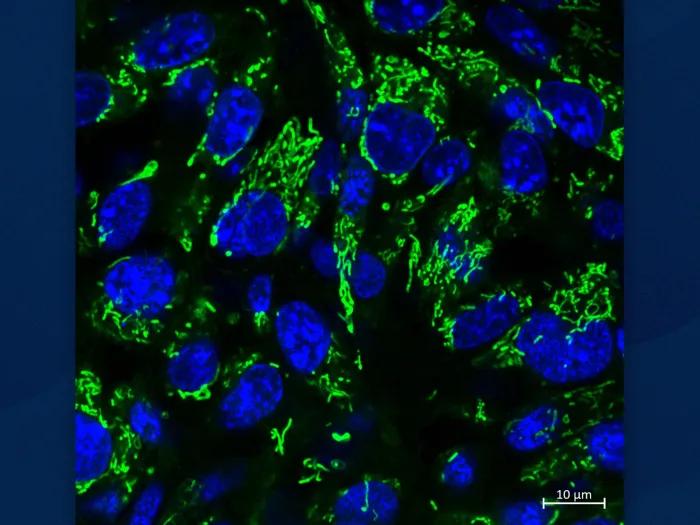
Engineered nanoparticles sensitize gliomas to radiotherapy
University of Michigan researchers discovered a new pathway that sensitizes mIDH1 gliomas to radiation in human and mouse mIDH1 glioma cells and mouse models, paving the way for phase 1 clinical trials in humans

Health Lab
Mediterranean diet can slow progression of age-related macular degeneration
Fish, vegetables and whole grains in the Mediterranean diet can help reduce progression of age-related macular degeneration and support long term eye health.

Health Lab
U-M alumni return from Central Asia to seek treatment for their child at Mott
After a leukemia diagnosis overseas, a young girl returned to Michigan for expert pediatric cancer care at C.S. Mott Children’s Hospital.

Health Lab
Patient with retinitis pigmentosa receives new hope at Kellogg’s low vision clinic
Retinitis pigmentosa can lead to vision loss, but DNA testing, inherited retinal disease research and AI glasses offer new hope.

Health Lab
New oral nanomedicine boosts effectiveness of cancer immunotherapies
University of Michigan researchers developed an oral drug that can increase the ability of T cells to attack tumors. The drug uses the microbial metabolite 3,4-dihydroxybenzoic acid, which is derived from dietary fiber.
