
Ananya Sen
Sen covers cancer clinical care and pediatric cancer research, ophthalmology, endocrinology, diabetes, emergency medicine, survival flight, and children's and women's health. Sen completed her Ph.D. in Microbiology from the University of Illinois Urbana-Champaign where she then worked as a science writer after graduation.


Health Lab
New dual-target drug may help overcome immunotherapy resistance in pancreatic cancer
U-M researchers developed a new strategy to improve immunotherapy treatments for pancreatic cancer.

Health Lab
First U-M patient receives newly FDA-approved stem cell therapy for sickle cell anemia
Elijah Dottery, diagnosed with sickle cell anemia as a baby, becomes the first U-M patient to receive the newly-approved FDA therapy which involves using mesenchymal stem cells.

Health Lab
Researchers identify new therapeutic target for neuroendocrine tumors in the gastrointestinal tract
University of Michigan researchers have identified a new target that can suppress tumor growth. Their findings may lead to new treatment methods for gastroenteropancreatic neuroendocrine tumors.
Health Lab
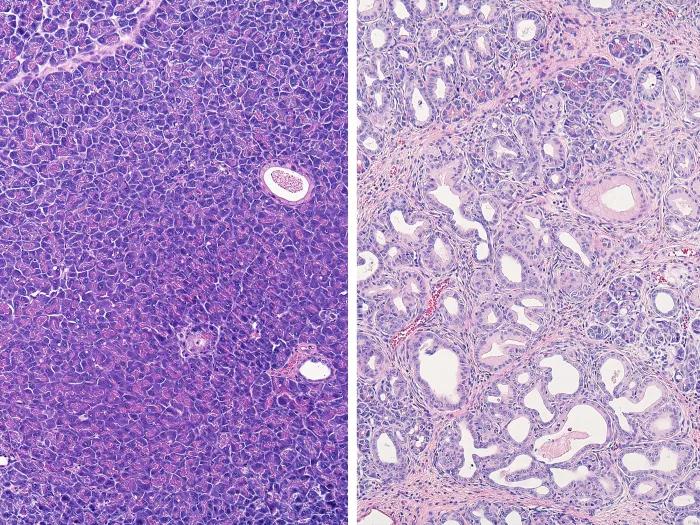
Researchers identify cellular pathways that drive precancerous lesions to form pancreatic tumors
Researchers identify cellular pathways that can influence metabolic changes when cells progress from metaplasia to cancer
Health Lab
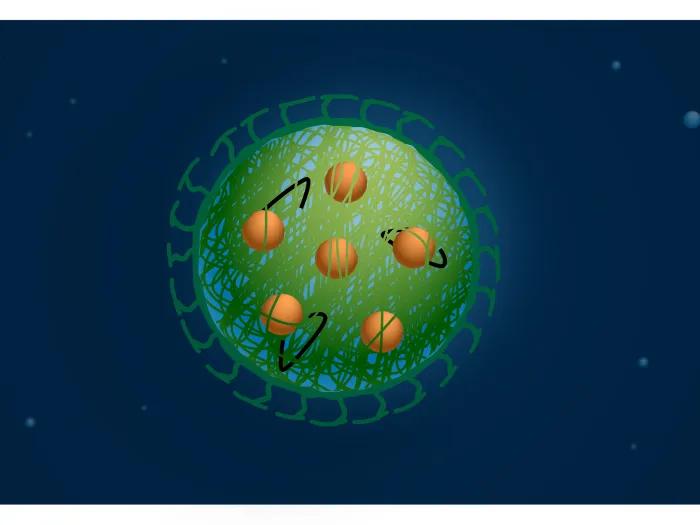
Copper-loaded starch nanoparticles can target bacteria in microbial communities
University of Michigan researchers developed copper-loaded starch nanoparticles that can be broken down by specific bacteria to release antibacterial copper molecules.

Health Lab
A unique patient case inspiring research
Mallory Mattison serves as the inspiration behind critical medical research that’s supporting other patients like her with lipodystrophy syndromes

Health Lab
Doctors perform first liver transplant in Michigan for colon cancer
Andrew Sweeney was diagnosed with stage 4 colorectal cancer at age 31 and underwent a liver transplant, chemotherapy and radiation treatment.
Health Lab
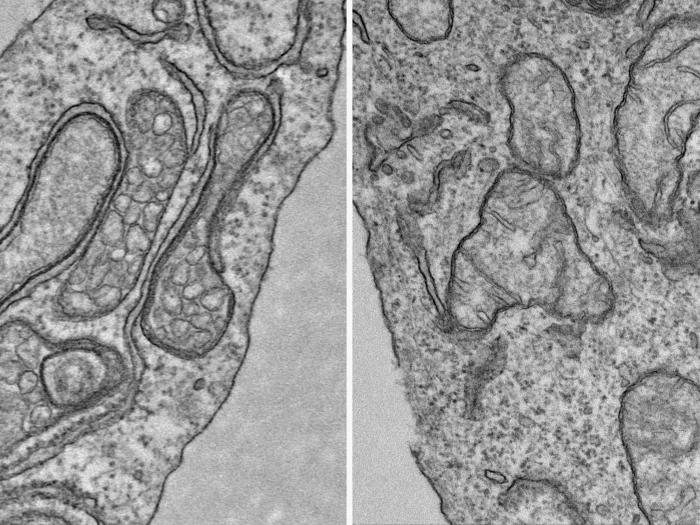
FDA-approved cancer drug fedratinib reshapes how cell organelles communicate, providing new therapeutic avenues
University of Michigan researchers found that the FDA-approved drug fedratinib can lead to endoplasmic reticulum and mitochondria contact site formation, providing a potential therapeutic avenue.

Health Lab
Cell death in photoreceptor cells is reversible, study finds
A team of researchers from the University of Michigan found functional mitochondria are key to the recovery of dying photoreceptor cells.
Health Lab
Glucose drives STAT3 activation in colorectal cancer cells, leading to tumor growth
University of Michigan researchers have shown that glucose levels sustain the increased STAT3 activation in colorectal cancer cells. Their findings suggest that targeting glucose metabolism could inhibit STAT3, leading to novel therapeutic strategies.

News Release
U-M researcher receives Cancer Grand Challenges funding to crack the dark proteome of cancer
John Prensner, MD, PhD at University of Michigan Health C.S. Mott Children’s Hospital and research member at the Rogel Cancer Center is part of a research team called ILLUMINE which will receive a Cancer Grand Challenges award.
Health Lab
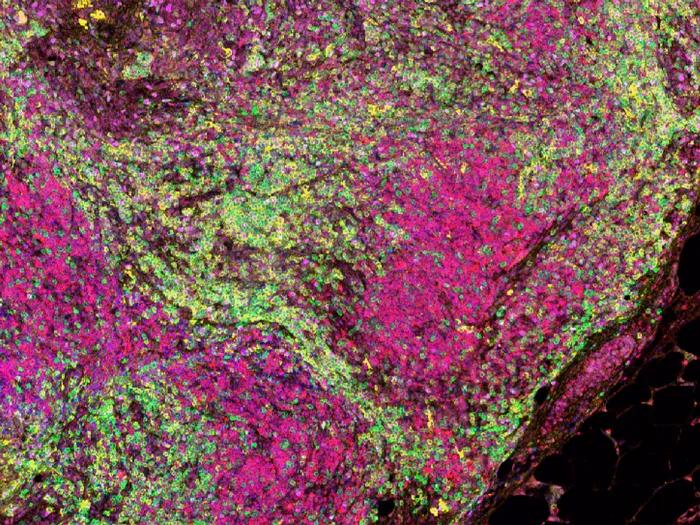
New mouse model for liposarcoma can help uncover new therapies
There has been little progress in understanding and treating liposarcoma due to its rarity and lack of research resources. In a new study, University of Michigan researchers have developed a novel mouse model that mirrors the disease in humans.

Health Lab
Rare infant triplet overcomes one-in-a-million type of liver cancer
Josephine “JoJo” Wells, a spontaneous triplet, was diagnosed with rare hepatoblastoma at nine months old and treated with surgery and chemotherapy.

Health Lab
2 multiple myeloma treatments receive FDA approval
The Food and Drug Administration approved two drugs—daratumumab and linvoseltamab—for precursor conditions to multiple myeloma and relapsed multiple myeloma. Matthew Pianko answers questions about the current treatment options for multiple myeloma, the new FDA-approved drugs and what these treatments mean for patients.

Health Lab
Itaconate identified as a new target for pediatric brain tumors called ependymomas
University of Michigan researchers have found that a specific molecule called itaconate drives the development of ependymomas, a pediatric brain tumor. Their findings can help future drug development for children with this type of malignant brain tumor.
