Is it PMS or premenstrual dysphoric disorder?
For some women, it’s more than just premenstrual symptoms.
10:53 AM
Author |
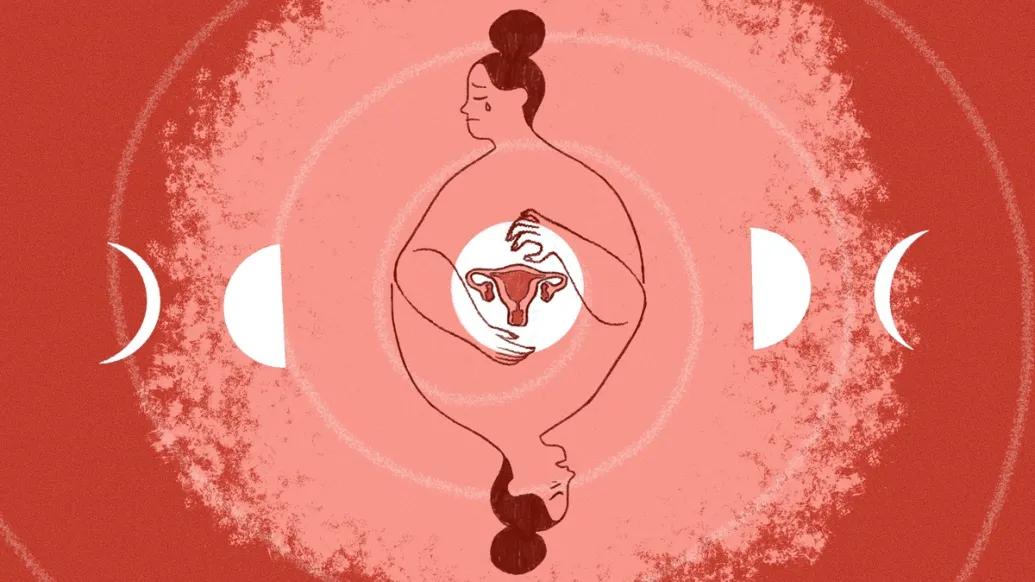
Premenstrual dysphoric disorder recently made headlines after TikTok influencer Dixie D'Amelio shared her diagnosis publicly.
Though D'Amelio reportedly says she's feeling better after learning more about the condition, she has also described PMDD as being disruptive to her personality and relationships.
D'Amelio told followers she'd never felt so low, feeling like "I had no control over my body or mind and I had no idea what was wrong but it would turn on and off like a light switch."
What is PMDD?
What D'Amelio experienced is not uncommon for people with the condition, says Monica Rosen, M.D., an obstetrician-gynecologist at University of Michigan Health Von Voigtlander Women's Hospital.
The disorder causes women to experience more intense PMS symptoms – increased irritability, mood changes, increased appetite, fatigue, difficulty concentrating, feeling more on edge, or depressive-type symptoms – during the week or two before their period begins, Rosen says. The symptoms then resolve within a few days of a period occurring.
"With PMDD, many might think a patient has major depressive disorder or generalized anxiety disorder, but the hallmark difference is that these symptoms only occur cyclically right before a period begins," Rosen said. "During the rest of the month, patients are at ease and don't experience these symptoms."
Rosen said anyone of reproductive age can experience PMDD, and the effects can be underestimated. PMDD can interfere with relationships and overall quality of life – Rosen says patients may not be able to go to school or work and may have trouble sleeping at night.
"For those who are untreated, this can be really debilitating," Rosen said. "It can certainly intersperse in all areas of life."
Rosen estimates that 3-8% of girls who have PMS also experience PMDD, and that the diagnosis is often made in teenagers who are not yet on any form of contraception.
It's often very reassuring to give this diagnosis because we are endorsing what patients are feeling and explaining that these are real things we can help resolve.Monica Rosen, M.D.
"It's often very reassuring to give this diagnosis because we are endorsing what patients are feeling and explaining that these are real things we can help resolve," she said.
Treating PMDD
There are several different options for diagnosing and treating PMDD. First, patients who experience extreme irritability, anger or mood changes right before their period and find that it's relieved with their period should speak to a doctor.
Rosen says a helpful way to make this diagnosis is for patients to keep a menstrual log for two cycles, recording the symptoms that they feel daily throughout one or two months. When patients review that log with a provider, they can see when symptoms occur and when they end. This can often help distinguish between whether the patient may be experiencing major depressive disorder if the symptoms last all month long, or whether the patient may be experiencing PMDD if the symptoms are specifically related to the menstrual cycle.
Rosen says if providers ask the right questions, a diagnosis can be easy to obtain. Being diagnosed with PMDD will involve having at least five symptoms that occur a week or two before a period and are relieved after the period.
Though the first line of treatment for PMDD is a healthy exercise regimen and stress reduction, medication is an option for PMDD treatment. Rosen says women will often use hormonal suppression like birth control, and Selective Serotonin Reuptake Inhibitors, commonly known as SSRIs, can be greatly beneficial. Though Rosen says vitamins or dietary supplements aren't shown to be of great benefit, they may be helpful for some patients.
Raising awareness of PMDD
Rosen praises D'Amelio and others who speak up about their experiences with PMDD or other illnesses, as it may help others seek more answers about their own health.
"I think it's always wonderful when people of influence talk about their own personal medical situations and how they've received medical help for them," Rosen said. "It raises awareness for this particular diagnosis, and hopefully those who have not yet been treated or sought care from a healthcare provider will do so after hearing stories like this."

Health Lab
Explore thousands of health news & research stories by visiting the Health Lab homepage for more.
Media Contact

Public Relations
Department of Communication at Michigan Medicine
Stay Informed
Want top health & research news weekly? Sign up for Health Lab’s newsletters today!
Featured News & Stories

Updated prostate cancer screening guidelines emphasize benefits of early detection

Mom of five survives stroke, double cardiac arrest: 'She should not be here'

Are you at risk of a genetic disease? Guidelines for testing should be updated, experts say

Small Pauses, Bigger Impact: Mindfulness in Action

Major Changes to Medicaid