Why herbal and dietary supplements cause some doctors concern
After some people developed severe liver disease from the supplement OxyELITE Pro, a U-M physician emphasizes a need for vigilance and regulation
7:00 AM
Author |
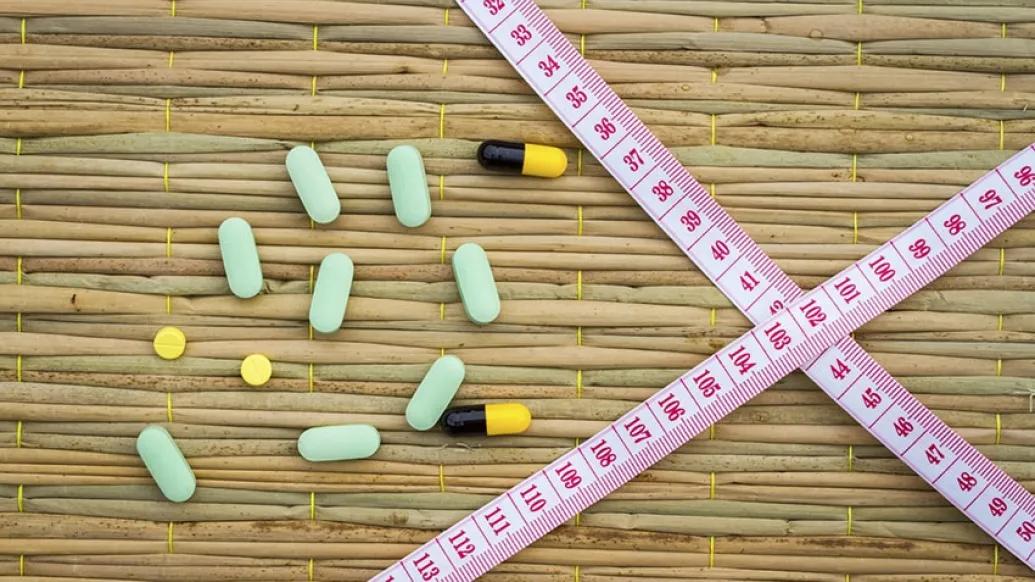
On the surface, the product seemed appealing: a natural herbal supplement marketed to boost energy and facilitate weight loss.
For some consumers, though, the fat-burning pill known as OxyELITE Pro bore a nasty side effect: unexplained acute hepatitis.
"You think you're taking something to give you a little more energy and then, lo and behold, you've got a bad liver problem that lands you in the hospital," says Robert J. Fontana, M.D., a hepatologist and medical director of the Liver Transplant Program at the University of Michigan Health System.
In a recent paper, Fontana detailed seven cases of injury attributed to OxyELITE Pro from various U.S. medical centers participating in the Drug-Induced Liver Injury Network (DILIN). Of those incidents, six patients were hospitalized, three developed acute liver failure and two required emergency liver transplants.
Although the affected group — generally healthy, middle-aged adults who followed the manufacturer's recommended dosage — was small, their maladies underscore the risks of such products.
Nor do they mark the first time an herbal dietary supplement has caused harm.
Consumers might recall the controversy surrounding Hydroxycut, whose manufacturer voluntarily recalled 14 variations of the product line in 2009 after the Food and Drug Administration logged nearly two dozen reports of serious liver injuries.
Unlike standard pharmaceuticals, herbal supplements aren't regulated by the FDA.
And a study by the Centers for Disease Control and Prevention last year found that dietary supplements account for 20,000 emergency room visits annually — with many admissions involving young people.
Which is why Fontana urges extreme caution, if not abstinence.
"I don't advise my patients to take any over-the-counter product willy-nilly," he says. "These products are medically unproven and carry potential risk since the manufacturers are not required to demonstrate efficacy or safety in patients prior to marketing them."
He spoke more about the issue.
Frequently Asked Questions
Are herbal supplements proven to help people lose weight?
Fontana: What is known to facilitate weight loss is, as you know, the traditional regimen of watching what you eat and exercise and calorie restriction. And there's also the medical route of meeting with a dietitian. Other, newer approaches include endoscopic devices to change one's sense of stomach fullness as well as stomach surgery for severely overweight patients.
In terms of prescription drugs for weight loss, only one or two total are actually approved by the Food and Drug Administration. There's not a whole lot of great options out there. A holistic physician might give herbs to patients, but that's not a traditional M.D. type of doctor, and that's not what I would do.
Most people in the survey taking OxyELITE Pro already had a normal body mass index but said they were using it to lose weight. Why?
Fontana: There's an obsession in our culture with taking over-the-counter things to stay well, be well, feel well. Every condition or symptom has a pill. There's huge marketing that goes on around this.
People want these things, and they're buying them out of their own free will.
What's the difference in how prescription drugs and herbal supplements are regulated?
Fontana: The FDA is very much involved with food regulation and drug development. Every patient exposed to a prescription medication during clinical trials ... (receives) data (analysis), blood and kidney tests. There are very meticulous and high standards to get a drug approved.
But there's essentially no parallel regulation of herbal products. The regulatory process is quite expensive and cumbersome. So people take these things — over-the-counter herbal products from the health food store with touted health benefits — and bad things can happen.
How did OxyELITE Pro make people sick? Was action taken?
Fontana: We don't know. No one really knows. The product had been around for many years before 2013 and is still available now in a newer formulation. Why, all of a sudden, did we get reports of this? What was it that was toxic? We speculate that there may be a liver-toxic ingredient in the implicated formulation, but thus far nobody has been able to identify the responsible ingredient.
The FDA did take regulatory actions against the company because they had included an ingredient (aegeline, a dietary ingredient) that was not grandfathered in ... something that was not previously identified. It's the only way the FDA can investigate these companies and how they got them to pull it from the market.
At the public health level, there's enough evidence accruing that there should be some changes in federal legislation to provide the FDA with the authority and resources to more closely regulate the manufacturing and promotion of these widely used products marketed as being "safe" since they frequently contain herbs, botanicals and other components derived from natural plants and foods. However, changes like this literally require an act of Congress.
How, meanwhile, could supplements be taken safely?
Fontana: Consult with your doctor before taking any such products to have them review them and provide input. You could call in to discuss your medical history. A patient might say, "I have liver disease," which is very important to know if you're considering taking these things since most ingested products are processed or eliminated either through the liver or the kidney.
Patients come in, they might be tired or have abdominal pain, and they don't think to tell us: "Oh, I went to the health food store at the mall and I've been taking something." People forget, or they're a little bit embarrassed to tell you.

Health Lab
Explore thousands of health news & research stories by visiting the Health Lab homepage for more.
Media Contact

Public Relations
Department of Communication at Michigan Medicine
In This Story
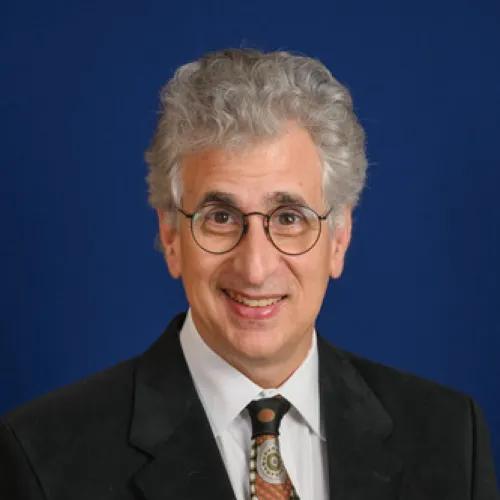
Robert John Fontana, MD
Professor
Stay Informed
Want top health & research news weekly? Sign up for Health Lab’s newsletters today!
Featured News & Stories

8 Easy Ways to Remember to Take Your Medication
Top 7 tips for choosing Medicare prescription drug coverage for 2027

4 in 5 parents say having a baby is too expensive

E-Bikes are everywhere, but most parents say they don’t know enough about them

The Care Ecosystem: Supporting People Living with Dementia and Their Families