How to Spot Signs of Opioid Addiction
Doctors use an 11-point checklist to help determine if a person’s opioid use signals a deeper problem. Here’s what they look for.
7:00 AM
Author |
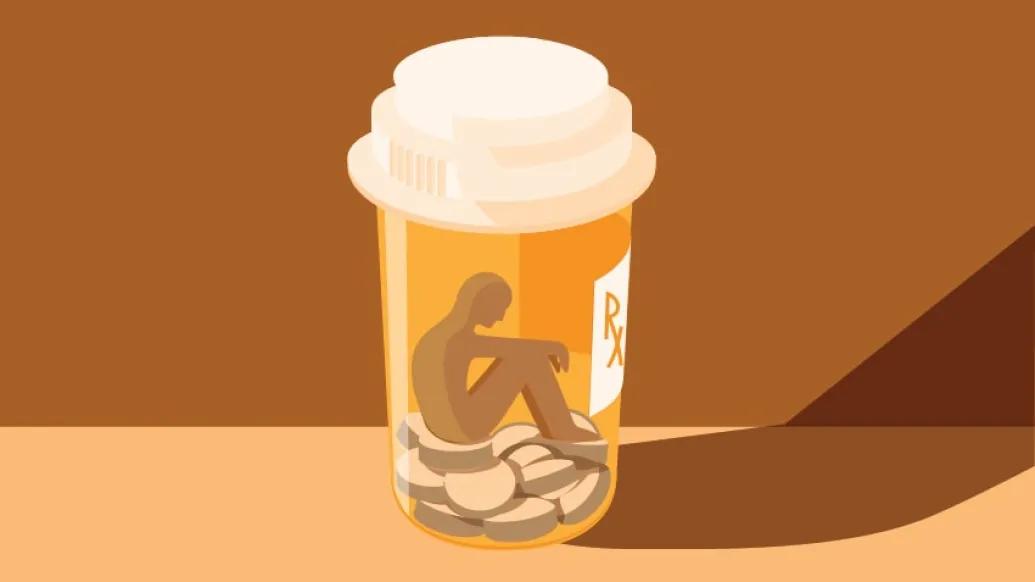
It isn't always easy to tell if a person has an addiction to opioids.
But any strange habits or suspicions should be taken seriously, says Jonathan D. Morrow, M.D., Ph.D., an assistant professor of psychiatry at the University of Michigan.
"If you're using more and more of a drug, yet your daily functioning is getting worse instead of better, that's a sign of addiction," Morrow says. "If you're using for a longer time than prescribed, that's a warning sign. If you're using it for reasons other than prescribed — for example, because you're depressed or anxious or bored, that puts you at really high risk."
Whether an opioid was obtained legally or not, taking it isn't supposed to be satisfying.
"If you use opioids for the intended purpose, you ideally should get no high," Morrow says. "You get lots of side effects such as nausea and constipation. It's really not pleasant.
"It's once you go beyond the amount you need for pain control that you start getting a high."
Opioids cause the brain to release dopamine, which triggers a desire to repeat the drug-taking experience. Taken for too long or in high amounts, they can be highly addictive.
That's why knowing when to help a person seek treatment for opioid misuse (and find alternative pain management methods) is important.
The most current criteria for diagnosing substance use disorder — 11 signs in all — was updated in 2013 by the American Psychiatric Association in the Diagnostic and Statistical Manual of Mental Disorders, Fifth Edition (or DSM-5).
According to the DSM-5, a person must have experienced at least two of the 11 symptoms within the past year.
Morrow spoke about the checklist and how it is applied.
Signs of opioid abuse
- Taking a substance in larger or longer amounts than intended: Prescription painkillers are meant to be a short-term fix; extended use can signal trouble. "Typically, people don't need opioids for more than three days," Morrow says. Only in rare cases should use exceed a week, he adds.
- Unsuccessful efforts to curb or control substance use: Even if a person wants to quit, this can be harder for some individuals. That's because genetic, environmental and psychological factors put some opioid users at an elevated risk for addiction.
- Excess time spent obtaining, using or recovering from a substance: A person addicted to opioids might spend a lot of time and money seeking drugs, or they might find other substances to use instead. "Pills tend to be more expensive," Morrow says. "At some point, they're told or they figure out that heroin is cheap."
- Craving or strong urge to use the substance: A user might be well aware that opioids have negative consequences. But that's often of little concern: "The drugs make the brain seek out more," Morrow says, "regardless of what the outcome of that drug use was."
- Repeat failure to fulfill work, home or school obligations: Because opioid use can disrupt sleep patterns and cause sedation, the effects can affect existing life duties — and be noticeable to others. Still, Morrow says, "the person is often unaware they have an addiction."
- Continued opioid use despite related social or interpersonal problems: Personality changes such as irritability may indicate an opioid problem. "A person can get very defensive about their drug use; arguments with family, friends or a health care provider are a sign," Morrow says.
- Withdrawal from social, occupational or recreational activities: Skipping leisure pursuits or group outings isn't uncommon for people with opioid addiction. Says Morrow: "You see a decline in function. They're doing less and less; it might not be clear why."
- Recurrent substance use in physically hazardous situations: Much like those who struggle with an addiction to alcohol, acting recklessly under the influence of opioids is a known side effect. Those behaviors may include recklessness while swimming, driving or using machinery or having unsafe sex.
- Continued use despite a persistent physical or psychological issue: Opioids can exacerbate mental health conditions such as depression and bipolar disorder. And those patients already are more vulnerable to addiction. "That's why it's important to treat the addiction and any kind of mood or anxiety disorder at the same time," Morrow says.
- A need for more substance to achieve intoxication: Continued opioid use slows endorphin production, leading a user to seek more to receive the same pleasure. "If you use a drug for a longer period or in larger amounts, that increases your risk of addiction."
- Withdrawal symptoms are evident: Diarrhea, sweating and moodiness, among other things, can occur when the drugs wear off. "It's not medically dangerous, but it can be extremely uncomfortable," Morrow says. That can inspire more opioid use to counteract the effects.
SEE ALSO: Chronic Pain Therapy Group Eases Coping, Conversation
Treatment for opioid addiction
Various treatment options are available, including visiting opioid specialists and taking drugs designed to help people with addiction. A patient's primary care doctor — or the doctor who prescribed the opioid — can help assess the situation and recommend options.
It may take several tries to get an individual to get help, however. Families and loved ones must "come from a position of love and understanding and genuinely want to help that person instead of coming at it as punishment," Morrow says.
It's also recommended that households with a person with opioid addiction keep a supply of Narcan (naloxone). The drug, which may be taken as a nasal spray or injection, can rapidly counteract a narcotic overdose.
University of Michigan Addiction Treatment Services offers a comprehensive range of services to help treat mild to severe substance use disorders. To schedule an appointment, call 734-764-0231.

Health Lab
Explore thousands of health news & research stories by visiting the Health Lab homepage for more.
Media Contact

Public Relations
Department of Communication at Michigan Medicine
Stay Informed
Want top health & research news weekly? Sign up for Health Lab’s newsletters today!
Featured News & Stories

E-Bikes are everywhere, but most parents say they don’t know enough about them

The Care Ecosystem: Supporting People Living with Dementia and Their Families

School night bedtime tips every parent should know

College of Pharmacy alum advances U-M Medical School addiction research

UM Health-Sparrow breaks ground on Janice M. Granger Behavioral Health Building