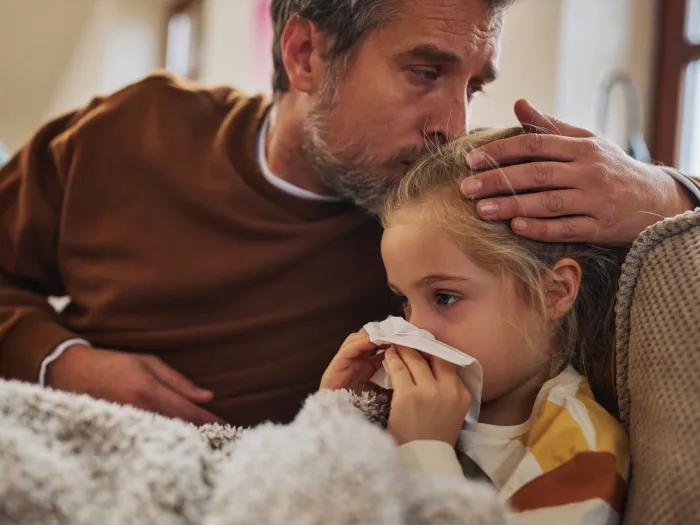
How to safely celebrate the holidays and avoid getting sick
The 5 expert-approved steps to follow before, during and after your gatherings
10:00 AM
Author |

This story was originally published on December 15, 2022, and was updated on December 23, 2024.
It's the holiday season, and while people are looking forward to stuffing their faces with food or seeing loved ones after a long absence, most are also hoping to avoid getting sick.
That's especially true this year as the rates of respiratory syncytial virus (RSV), influenza and other respiratory illnesses have gone up dramatically as fewer people are wearing masks and more people are getting together.
You can still gather, say University of Michigan experts. You just need a plan.
Follow these simple steps below to greatly reduce your risk of getting infected and getting sick.
4 ways to reduce risk of illness this holiday season
1. Stay home if you're sick
One of the easiest ways to protect others can also be hard to do: simply do not gather if you have symptoms of a respiratory virus.
This is especially true if some people attending the gathering are more vulnerable, including very young, the elderly, and those with medical comorbidities or immunocompromised, says Laraine Washer, M.D., a clinical professor of infectious diseases at the University of Michigan Medical School and hospital epidemiologist at U-M Health.
And while for the past couple of years COVID has been the number one threat, there are other potentially dangerous viruses—including respiratory syncytial virus, influenza, walking pneumonia (mycoplasma pneumoniae) and pertussis (whooping cough)—that have returned with a vengeance.
If you're symptomatic, "even if your COVID test is negative, you could have other viruses that may transmit to others," explained Washer.
2. Get up to date with your vaccines
One of the most powerful tools for avoiding infection and illness are the COVID-19 and flu vaccines.
"Before gathering, just make sure you've given yourself enough time to get the full effect of your flu or COVID vaccine, especially if you're planning to go to a larger gathering or even a smaller gathering," Washer said. That means two weeks for most vaccines, including the vaccines for influenza and COVID.
Why?
According to the Centers for Disease Control and Prevention, the COVID-19 vaccines protect everyone age 6 months and older from getting infected and severely ill, and significantly reduce the likelihood of hospitalization and death.
Make sure your infants and kids are up to date on vaccines for pneumonia and pertussis and if you’re over 60, you are eligible for pneumonia and RSV vaccines as well. Even though you may not have full immunity for the December holidays, there’s a long winter ahead—flu typically peaks between December and February.
3. Wear a mask
While many have stopped wearing masks in public places, masks are still an effective tool to decrease risk of transmission of respiratory viruses of all types.
The chances of you getting most respiratory illnesses depends on the number of particles you breathe in. The more particles, the higher your chances. Masks reduce the number of particles breathed out and breathed in, protecting both the mask-wearer and the people around them.
Washer says that, in general, a well-fitting, multi layered mask is sufficient to protect those who are potentially at higher risk around you.
"If you are traveling by air – I highly recommend you wear a medical mask or N-95 mask in the airport and on the airplane," added Washer.
Additionally, as recommended by the CDC, it's important to wear a mask in public indoor spaces—such as when out shopping for groceries or last-minute gifts—in areas with substantial or high COVID transmission.
Washer notes that people who are immunocompromised, even if vaccinated, should take extra precautions, and wear a mask when around people who are outside of their household, even if those other people are vaccinated.
4. Improve ventilation
Respiratory illnesses such as colds, the flu and COVID-19, spread through the air.
"What you want to do is avoid being in closed spaces with many people for long durations with poor ventilation. That's the perfect storm," said Jesse Capecelatro, Ph.D., assistant professor in Mechanical Engineering and Aerospace Engineering at the University of Michigan.
When people talk or even breathe, they exhale droplets, which evaporate and then hang in the air, unless a window is open or there is good ventilation. He notes that a cough can emit 10 to 20 thousand particles.
"When it comes to mitigation, you want to avoid inhaling as many infectious particles as possible," said Capecelatro. "The longer you are around someone, the more of their exhaled particles you inhale. The more people at a gathering, the higher the risk that one of them may be infected."
Aside from opening windows or investing in HEPA air purifiers (which when placed with the flow of air or in a room where people are gathering, can reduce the number of particles in the air), controlling ventilation can be difficult.
5. Wash your hands
The tried-and-true advice to wash your hands frequently, especially before eating or touching your eyes or face, still holds. Adenovirus, which is currently widespread in some areas, and other nasty illnesses can spread via contact with contaminated surfaces.
With these steps in place, you can significantly reduce your risk of respiratory illness and have an enjoyable, and healthy, holiday.

Health Lab
Explore thousands of health news & research stories by visiting the Health Lab homepage for more.
Media Contact

Public Relations
Department of Communication at Michigan Medicine
Stay Informed
Want top health & research news weekly? Sign up for Health Lab’s newsletters today!
Featured News & Stories

Many older adults make Medicare decisions quickly and most don’t change plans, poll finds
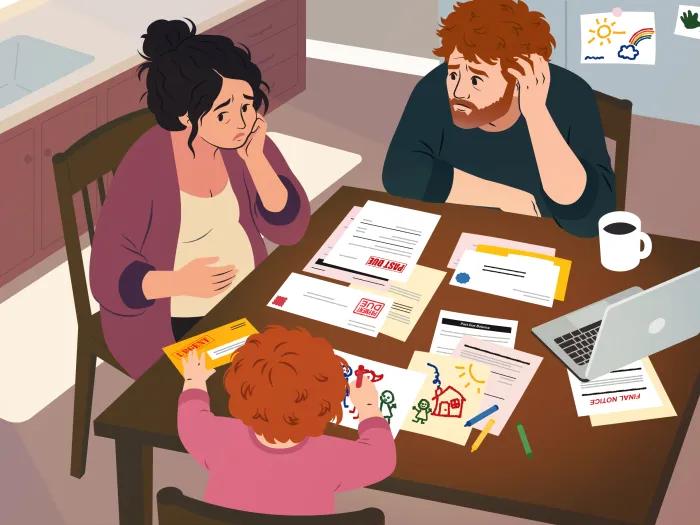
4 in 5 parents say having a baby is too expensive

What’s the latest on 7-OH and kratom availability and addiction care?

Better prenatal care data could help prevent maternal complications, experts say
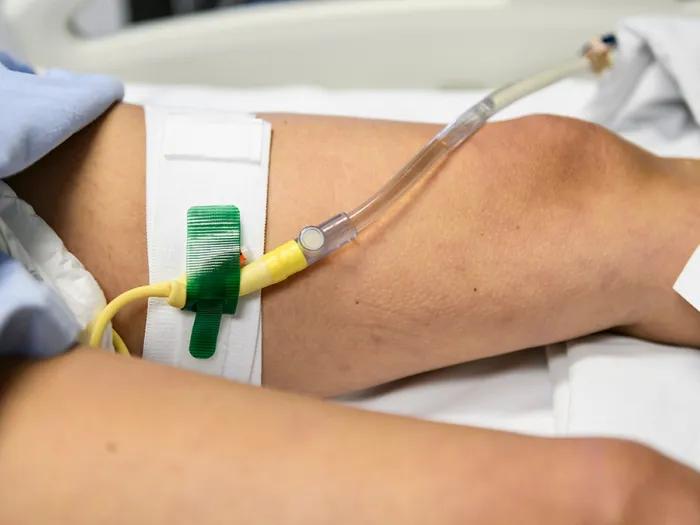
Many hospitals still don’t do enough to prevent UTIs from catheters