Are You at Risk for Stroke? 8 Warning Signs to Know
A stroke can occur without warning. Lifestyle habits and genetics, however, can dictate whether a person is at an increased risk of having one.
7:00 AM
Author |
If you're having any symptoms associated with a stroke, it's important to act quickly.
But certain risk factors can set the stage for stroke well in advance — regardless of your age — which is why a lifetime of awareness and healthful habits is key.
"Many people think of stroke as a disease of more elderly individuals," says Cemal B. Sozener, M.D., M. Eng., co-director of the Comprehensive Stroke Program at Michigan Medicine. "We never want people experiencing symptoms to say, 'Well, it must be something else.'"
Stroke, which occurs when blood flow to the brain is blocked or when a blood vessel in the brain breaks, kills about 140,000 Americans each year, according to the CDC. It is also a major cause of long-term disability and lost mobility.
Although some risk factors of a stroke are genetic, others are tied to lifestyle choices. According to the Centers for Disease Control and Prevention, 1 in 3 Americans have at least one condition associated with higher stroke risk.
Sozener explained some of those factors:
Risk factors for stroke
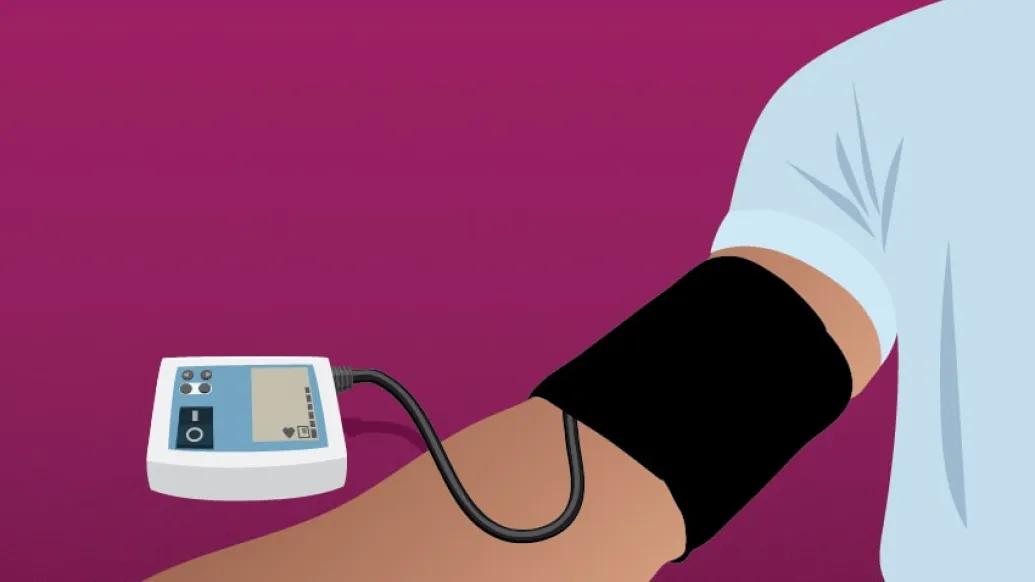
- High blood pressure: A "tried-and-true and very potent risk factor," untreated hypertension can cause blockage and calcification in blood vessels over time, ultimately restricting blood flow to the brain, Sozener notes. And because many patients with high blood pressure aren't diagnosed or delay a visit to seek treatment, the risk is often greater than it should be.
- Smoking: Those who smoke have blood that's stickier and more likely to clot, which can block blood flow to the heart and brain. Smoking also causes blood vessels to thicken and narrow, which can inhibit the body's optimal circulation. "Stopping smoking is one of the most important things patients can do to prevent serious illness such as stroke in the future," Sozener says.
- Heart disease: Carotid or peripheral artery diseases, both of which cause narrowed arteries, require treatment to avoid stroke. So, too, does atrial fibrillation, an irregular heart rhythm. "The top chambers are often not pumping in coordinated fashion," Sozener says. "When blood isn't flowing smoothly and stays still, it clots — and there's a risk of that clot breaking free.
- Diabetes: The health conditions that some people with diabetes experience — obesity plus high blood pressure and cholesterol — are what put those people at a higher likelihood for stroke, especially in the long run. "People think diabetes causes stroke immediately but, in general, being poorly controlled over time is what predisposes an increased risk," Sozener says.
- Obesity, inactivity and diet: Excess body weight, a lack of movement and junk food all put strain on the body, which can contribute to heart disease as well as high cholesterol and blood pressure. Avoid trans and saturated fats, curb excess calories and reduce sodium in your diet. Strive for 30 minutes of moderate physical activity five days a week.
- Age and gender: Young people aren't immune to stroke, but the risk does go up with age. "The vast majority of stroke patients will be over the age of 50," Sozener says. "But stroke can certainly occur in all populations, even children." Women suffer more strokes (and die from them) than men, due in part to gender-specific factors such as pregnancy and birth control pills.
- Ethnicity: You can't choose your heritage, but some backgrounds are more commonly linked with stroke. Among them: blacks and Hispanics. This is partially because social and environmental factors might hinder access to basic medical care. "Untreated hypertension is much more common in blacks," Sozener says. "And diabetes has a higher prevalence in Hispanics."
- Prior stroke and family history: Stroke survivors — or those with a sibling, parent or grandparent who has had one — have a greater risk, the American Stroke Association says. So, too, are patients who have had a transient ischemic attack (known as a TIA, or "mini stroke"). Says Sozener: "TIA can be a warning sign of a future stroke" in those individuals.

Health Lab
Explore thousands of health news & research stories by visiting the Health Lab homepage for more.
Media Contact

Public Relations
Department of Communication at Michigan Medicine
Stay Informed
Want top health & research news weekly? Sign up for Health Lab’s newsletters today!
Featured News & Stories
4 in 5 parents say having a baby is too expensive
E-Bikes are everywhere, but most parents say they don’t know enough about them

School night bedtime tips every parent should know
The Questions That Shape the Future of Medicine

E-bikes are faster than ever. Are families prepared for the risks?