Should We Worry About COVID-19 Reinfection?
U-M expert discusses whether repeat cases of COVID-19 is bad news for vaccines.
2:12 PM
Author |

Is it possible to have COVID-19 more than once within a short period of time? Two recent reports, one out of Hong Kong and one in a patient in Reno, Nevada, have many scratching their heads—and wondering what the cases mean for the future of the pandemic. While the cases are interesting, Michigan Medicine's Adam Lauring, M.D., Ph.D., associate professor of microbiology and immunology and infectious disease, says they aren't cause for panic.
"Just because something happens, doesn't mean it happens a lot," he says. In fact, he explains, this could also occur just as frequently with other viruses without anyone noticing, because those viruses are not under the intense level of worldwide scrutiny that SARS-CoV-2—the virus behind COVID-19—currently is.
The Hong Kong case, which was summarized in the journal Clinical Infectious Diseases, was picked up during a routine screening at the Hong Kong border, and the man did not exhibit symptoms. The Nevada reinfection case report has not yet been peer reviewed.
Reinfection is a matter of the body's immune response and the evolution of the virus itself, notes Lauring. If these patients' initial immune responses to their first infection weren't robust enough, they could be susceptible to getting infected again.
SEE ALSO: Seeking Medical Care During COVID-19
What defines a strong immune response? Lauring notes that when scientists look to see how likely a person is to be protected from a virus, either because they've already had an infection or because they've received a vaccine, they are looking for correlates of protection.
"The big thing people look for are antibodies, which you can measure in someone's blood," says Lauring. "We know from looking at people who've been infected with SARS-CoV-2 or who are in the vaccine trials, that people tend to make a good amount of antibodies against the spike protein, which the virus uses to infect a cell and is a major target for vaccines. These individuals could have failed to make sufficient levels of antibodies or [in the asymptomatic case] their antibodies may have protected them from more severe disease."
MORE FROM THE LAB: Subscribe to our weekly newsletter
Antibodies are not the end all, be all, however. "Antibodies do decrease over time but that doesn't mean you aren't protected," Lauring says. An infection usually also triggers memory cells that lie in wait to respond when exposed to the same virus in the future. In fact, Lauring notes that some people who've recovered from SARS-CoV, which caused a global outbreak in 2003, were able to produce antibodies that recognized SARS-CoV-2. These examples of cross-protection, like examples of reinfection, may just be outliers.
Lauring cautions against making any broad generalizations from these individual cases, especially when it comes to what they mean for vaccination.
"I think they are something to learn from, but at my core, I am no less confident about the vaccines and their potential. Even a short-term vaccine or something that prevents severe disease or protects only in the most vulnerable would still be a game changer for this pandemic."
For now, instead of worrying about reinfection, says Lauring, people should continue to concentrate on avoiding infection in the first place.
SEE ALSO: Keeping Our Patients Safe During COVID-19
Paper cited: "COVID-19 re-infection by a phylogenetically distinct SARS-coronavirus-2 strain confirmed by whole genome sequencing," Clinical Infectious Diseases. DOI: 10.1093/cid/ciaa1275

Health Lab
Explore thousands of health news & research stories by visiting the Health Lab homepage for more.
Media Contact

Public Relations
Department of Communication at Michigan Medicine
Stay Informed
Want top health & research news weekly? Sign up for Health Lab’s newsletters today!
Featured News & Stories

Concern About Loved Ones Might Motivate People to Mask Up and Get Vaccine

5 ways to manage politically induced stress
Human Rabies Exposures Growing Across the Country
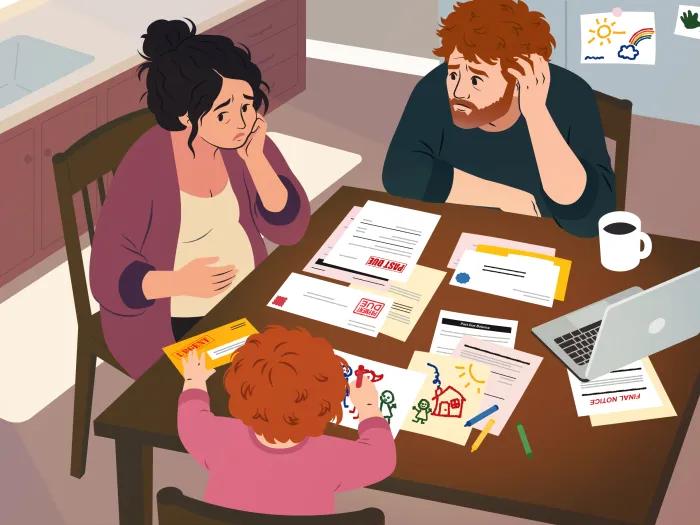
4 in 5 parents say having a baby is too expensive
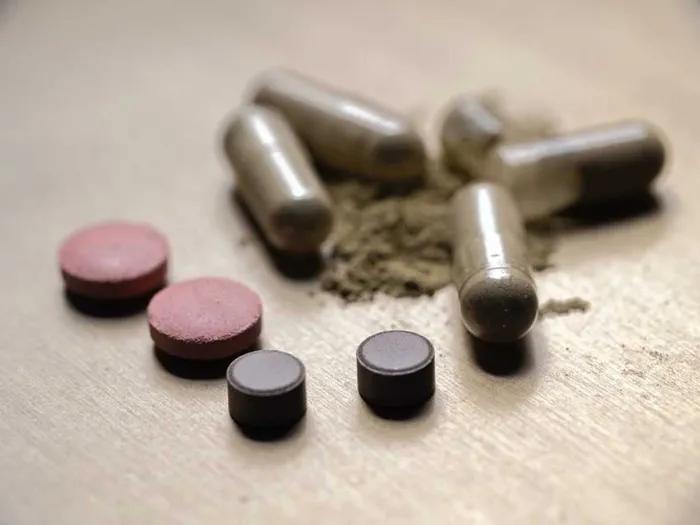
What’s the latest on 7-OH and kratom availability and addiction care?