In 1898 an extraordinary woman made a gift to the University of Michigan that was the first of its kind in the nation and continues to promote her ideals today.
Elizabeth Bates was born in Charlemont, Massachusetts, in 1832. Her father was a physician, as were her grandfather and uncle. She was an only child and was considered “delicate,” so her father believed she should spend time outside and took her with him when he traveled to see his patients. As she grew up, she decided that she would pursue a career in medicine. She began to study secretly with her father because this choice was almost unheard of for women at that time. She then attended the Female Medical College of Pennsylvania, one of the first medical schools for women, and graduated in 1854 with three other women.
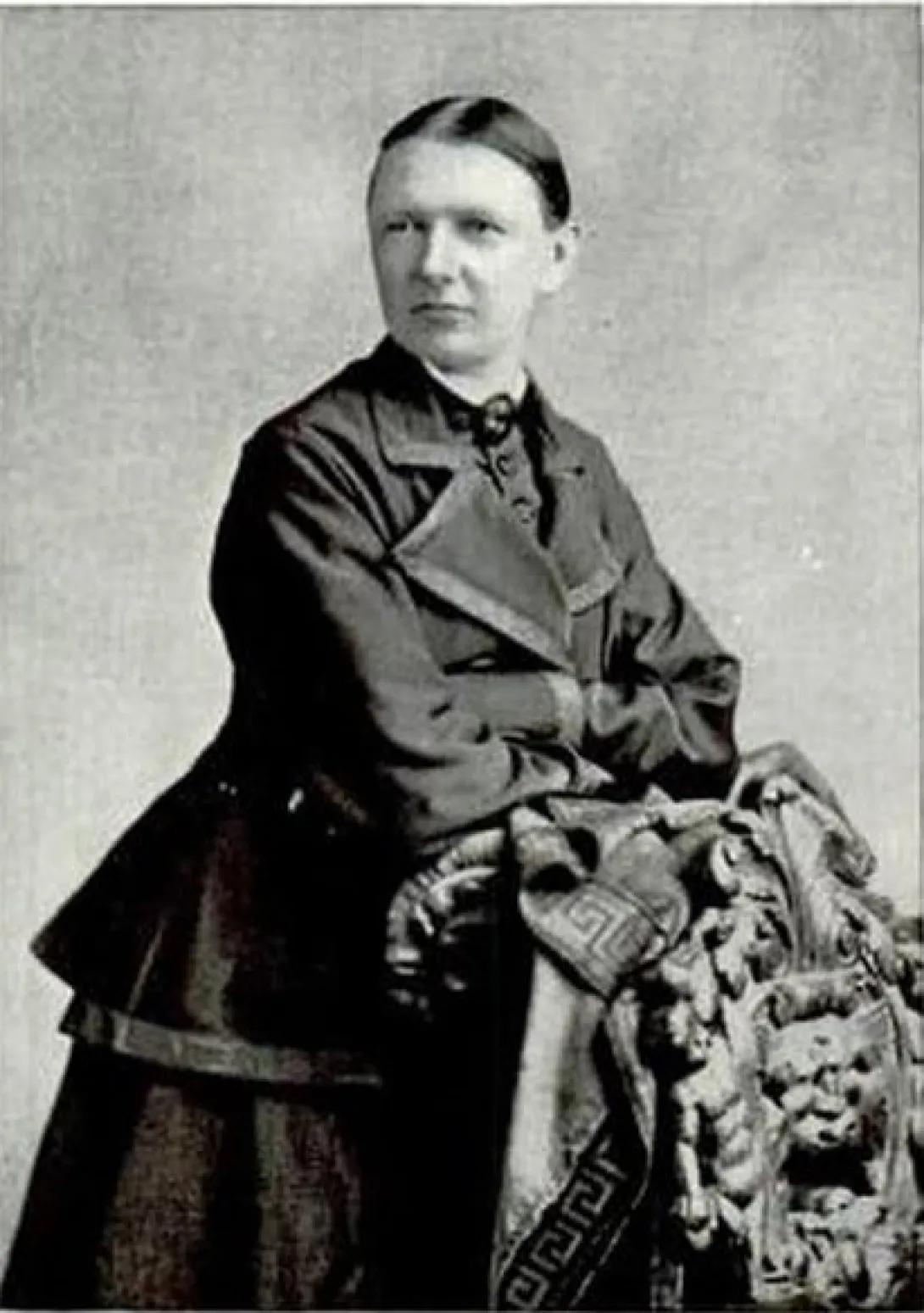
As a woman, Bates faced opposition from other physicians at first but was eventually accepted and invited to join the Medical Society of Tioga County. She specialized in caring for women and children and had a special interest in sexually transmitted infections.
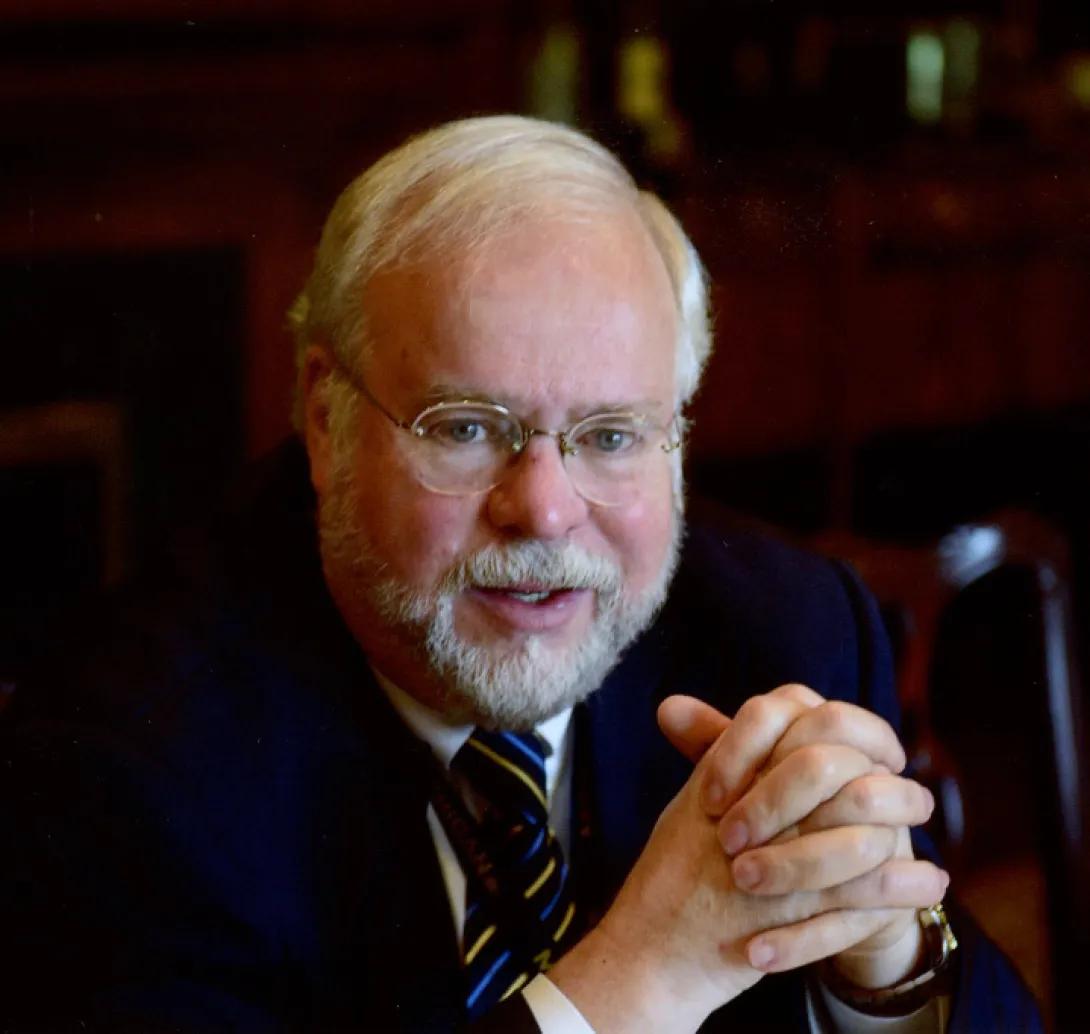
“The field of pediatrics did not exist at this time, so obstetrics and gynecology incorporated the diseases of both women and children,” says Tim Johnson, M.D., Arthur F. Thurnau Professor of Obstetrics and Gynecology and Women’s and Gender Studies at Michigan Medicine and former holder of the Bates professorship.
After a lifetime of practicing medicine, Bates bequeathed a large portion of her estate to the medical department of what was then Michigan University. Her gift was valued at over $200,000, a huge amount of money at that time and the largest bequest the university had received to that date. Her gift created the university’s first endowed professorship, the Bates Professorship of Diseases of Women and Children, and it was also the first obstetrical and gynecological professorship in the country.
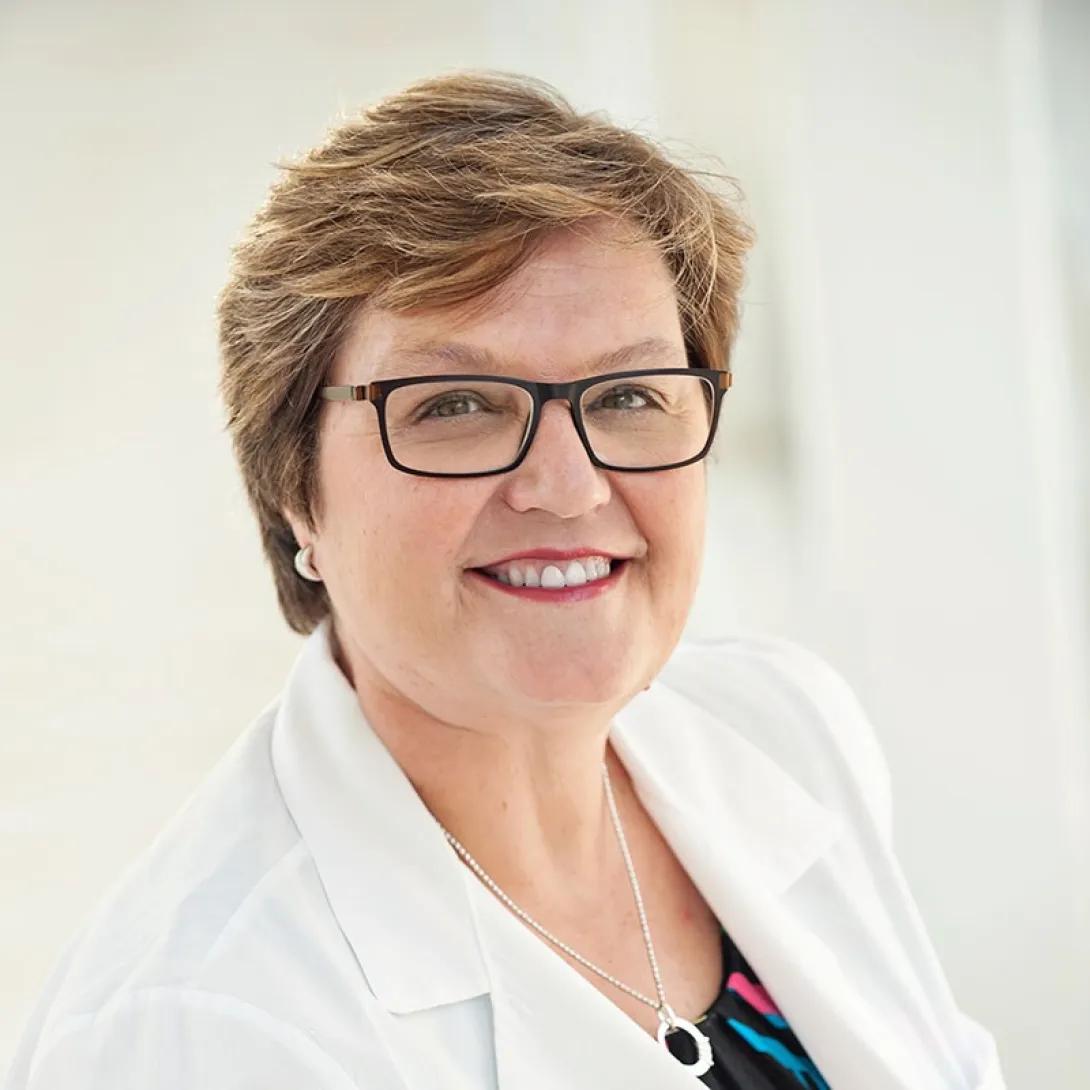
By tradition, the Bates professorship is held by the chair of the Department of Obstetrics and Gynecology at Michigan Medicine. “The title ‘Bates Professor of Diseases of Women and Children’ signifies the link between women, mothers, obstetrics, birth, and children,” says Dee Fenner, M.D., chair of the Department of Obstetrics and Gynecology and current holder of the Bates professorship. “When this endowment was established, one in ten women died in childbirth. Improving maternal and infant morbidity and mortality was a major focus for the entire field of medicine and remains so today. Everyone knew how it felt to lose a wife, a daughter, a sister, or a mother.”
In her will, Bates stated that her gift was given on the condition that the university “will receive female students to pursue their studies thereat and give to them the same advantages as male students, in the Medical Department thereof.” “Her gift was a complete surprise to the university and as far as anyone knows, she had never visited the university or even Ann Arbor,” says Johnson. “It seems that the only connection was that Dr. Bates wanted to make it easier for women to study medicine and respected the University of Michigan as the first institution whose medical school treated women equally to men.”
Bates’ gift has had a lasting impact on Michigan Medicine, paving the way for the 400+ endowed professorships that have followed it, and her extraordinary legacy is deeply appreciated and honored by the holders of the title to this day. “The first thing I would put on my gravestone is that I was a Bates professor. I am that proud of it,” says Johnson, who held the professorship from 1993 to 2017. Fenner, who has held the professorship since 2018, says, “It is meaningful that the very first endowed chair at the University of Michigan was intended to address inequities. One hundred and twenty-five years later, the Bates professorship continues to support women, women’s health, and gender equity. While significant progress has been made, women continue to face bias, sexism, and racism. I am reminded every time I write my signature with the Bates Professor title that I am here to serve with the intent to promote justice, equity, and opportunity for women.”
If you would like to learn more about supporting women's health, please visit the Department of Obstetrics and Gynecology giving page, or make a difference in any area of medicine by visiting www.michiganmedicine.org/giving.
Note (February 2026): Timothy Johnson, M.D., who was interviewed for this story, passed away in May 2025. Read his obituary in the University Record and learn how philanthropy continues his mission to save the lives of women and children around the world.
Philanthropy News
Discover how donors at Michigan Medicine drive advances in patient care, research, and education. See how philanthropy brings Michigan answers to patients and families.
In This Story
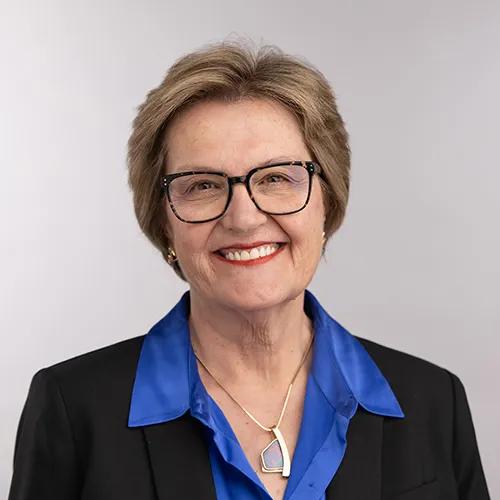
Dee E Fenner, MD
Professor

Timothy R Johnson
Center Member
Featured News & Stories
PCOS has a new name

Kellogg care inspires gift to vision research

Who’s at risk for painful periods?

Rare cancer diagnosis inspires community of support

Foundation gift inspires additional gifts to strengthen youth mental health care