University of Michigan Health celebrates 10 years of expanding access to virtual stroke care
The service partners with nearly a dozen Michigan hospitals
5:00 AM
Author |
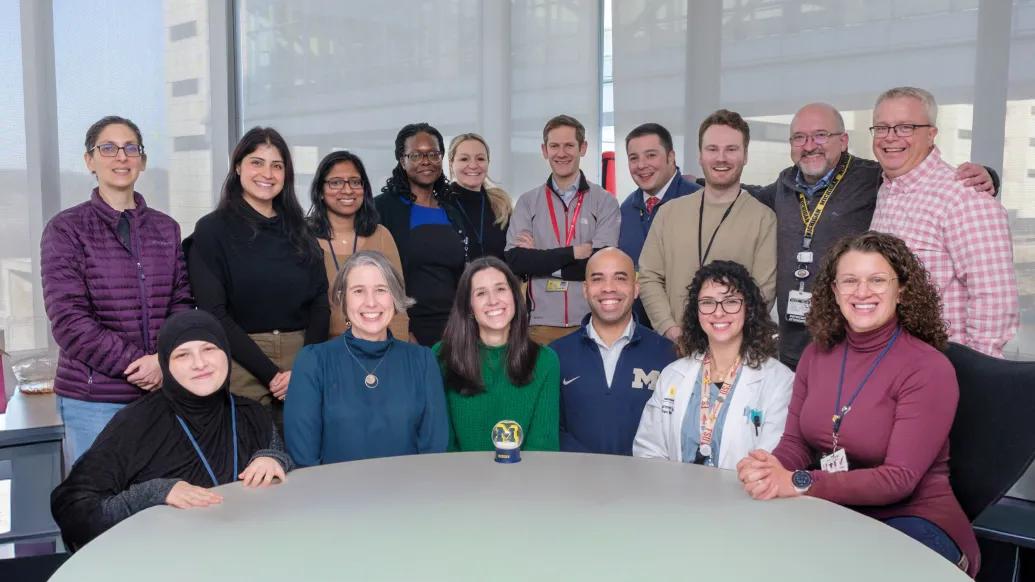
ANN ARBOR, Mich. — For the last decade, University of Michigan Health has steadily increased the reach of its Telestroke Service, which provides 24/7 access to vascular neurology expertise so that patients across the state receive timely stroke care.
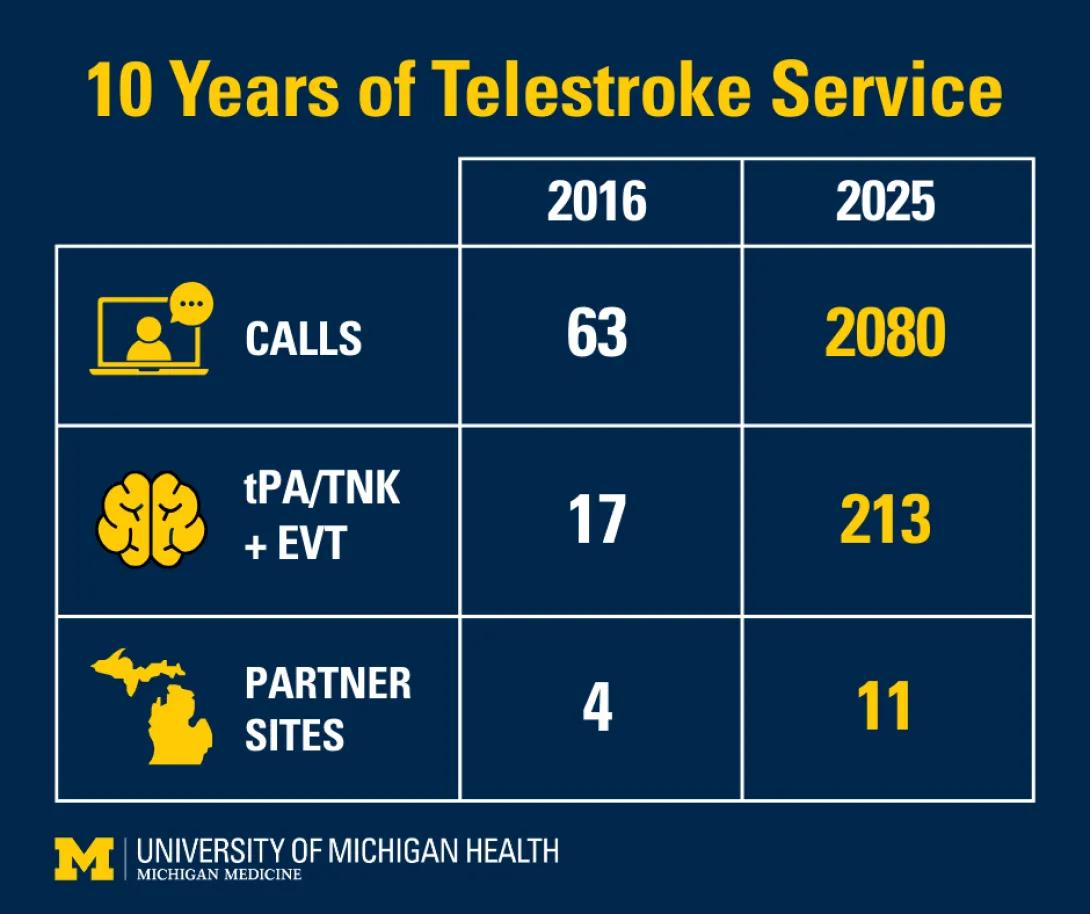
Since the first overnight call came in March 2016, the Telestroke Service has evaluated more than 11,000 patients for stroke and helped more than 900 patients receive treatment with clot-busting medications called thrombolytics. They have facilitated more than 300 cases of endovascular thrombectomy, a procedure during which the clot is removed from the brain using a catheter.
The service, which currently collaborates with MyMichigan Health and Munson Healthcare, has grown from four partner sites to 11 since its inception. Clinicians evaluate patients as far north as Sault Ste. Marie and as far west as Cadillac.
“We are proud to partner with health systems across the state to share vascular neurology expertise and facilitate the highest quality stroke care for more patients,” said Erika Weil, M.D., Director of the U-M Health Telestroke Service.
“This service is vital to reduce the time to ischemic stroke treatment and bridge the gaps to care that exist in areas without access to advanced stroke care.”
When a patient with signs of stroke arrives at a partner hospital, the care team immediately contacts U-M Health. Telestroke experts will virtually examine the patient and review imaging to help local providers develop a real-time treatment plan.
Utilizing the Telestroke Service provides patients with immediate access to specialized stroke expertise not typically available in many community hospitals.
Patients are more often able remain close to home and within their support systems, unless they require rapid transfer to an advanced stroke center for specialty care.
Research conducted at Michigan Medicine has found that most stroke patients who require transfer to an advanced treatment facility wait longer than two hours, which increases the risk of missing critical treatment and leaving the hospital with a disability.
The same research team also found that using telestroke services increases the likelihood of a patient receiving clot-busting drugs.
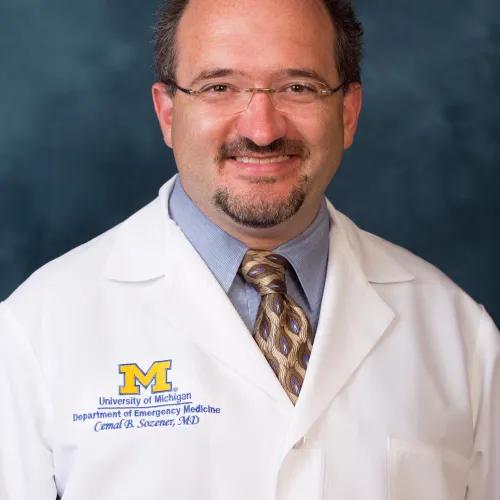
“By bringing the resources of our world-class academic medical center to our partner sites, we are working to eliminate barriers to treatment and reduce negative neurologic and functional outcomes from stroke,” said Cemal B. Sozener, M.D., Associate Director of the Telestroke Service.
“We are committed to utilizing the fantastic resource of telemedicine to help Michiganders statewide.”
The U-M Telestroke Service currently has partner sites in:
- Alma
- Alpena
- Bay City
- Cadillac
- Clare
- Gladwin
- Grayling
- Midland
- Mt Pleasant
- Sault Ste. Marie
- West Branch
About Michigan Medicine and University of Michigan Health
At Michigan Medicine, we advance health to serve Michigan and the world. We pursue excellence every day in our 12 hospitals and hundreds of clinics statewide, as well as educate the next generation of physicians, health professionals and scientists in our U-M Medical School.
Michigan Medicine includes U-M Medical School and University of Michigan Health, which includes the C.S. Mott Children’s Hospital, Von Voigtlander Women’s Hospital, University Hospital, the Frankel Cardiovascular Center, the D. Dan and Betty Kahn Health Care Pavilion, Kellogg Eye Center, University of Michigan Health-West, University of Michigan Health-Sparrow and the Rogel Cancer Center. The U-M Medical School is one of the nation's biomedical research powerhouses, with total research awards of more than $800 million.
More information is available at www.michiganmedicine.org
In This Story

Erika L Weil
Clinical Assistant Professor
Cemal Burak Sozener, MD, MEng, FACEP, FAAEM, FAHA
Clinical Professor
Related
Stroke survivors miss critical treatment, face greater disability due to systemic transfer delays
Telestroke patients more likely to receive treatment, but with greater delays
Featured News & Stories

The Care Ecosystem: Supporting People Living with Dementia and Their Families
Identifying avoidant, restrictive food intake disorder in gastroenterology patients

Foundation gift inspires additional gifts to strengthen youth mental health care

A concussion expert and football father discusses why he values teamwork over zero-risk

Talent show brings joy to kids at children’s hospital