University of Michigan Health announces new structure for regional operations
Sparrow’s Margaret Dimond named president of regional health system
10:00 AM
Author |

University of Michigan Health announced today a new regional structure to oversee operations at Sparrow Health System and University of Michigan Health-West, which includes a new president of the regional health system: Margaret Dimond, Ph.D., currently the president of E.W. Sparrow Hospital.
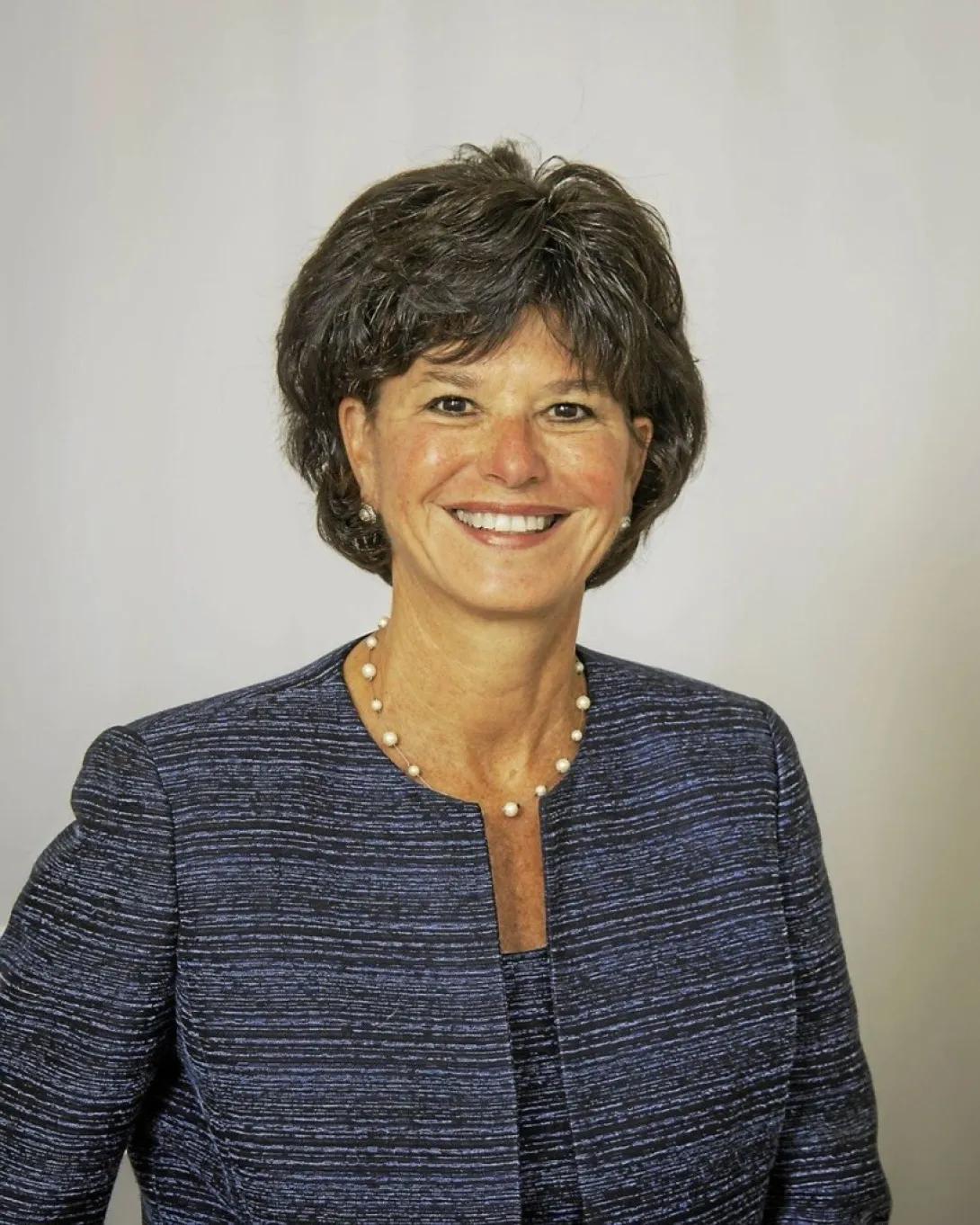
Dimond will lead University of Michigan Health’s regional efforts in the mid-Michigan and Grand Rapids areas as the organization works toward creating a statewide network of care that delivers the right care at the right time, close to home.
Since the completion of the transaction in April when Sparrow joined University of Michigan Health, leaders have been engaged in a strategic integration process to establish the best structure for the unified system that will benefit patients and staffs.
“We are very pleased that Margaret Dimond will be leading our efforts to build a combined system with a commitment to local cultures and a local sense of community,” said John Pirich, chair of the U-M Health Corporate Board with oversight of the regional health network.
“She has an extensive background in all facets of hospital operations and has served in many health care executive positions in Michigan. We know she’ll be ready to lead our teams as we continue to build our statewide network.”
Dimond was named president of E.W. Sparrow Hospital in May, after returning to Michigan from Florida, where she served as chief administrative officer, Naples Physician Group. Dimond previously served as president and CEO of McLaren Oakland Hospital in Pontiac; president and CEO of Ascension Crittenton Hospital in Rochester; president and CEO of Karmanos Cancer Hospital; president and CEO of McLaren Medical Group and vice president and chief operating officer of the Henry Ford Hospital Warren campus, among other positions.
“Margaret’s rich experience in health system operations and collaborating with physicians and staff to improve the patient experience make her an ideal candidate for the leadership role,” said Marschall Runge, M.D., Ph.D., CEO of Michigan Medicine, dean of the U-M Medical School and executive vice president for Medical Affairs for the University of Michigan.
Also announced in leadership roles are:
o President, UM Health-Sparrow Lansing: Denny Martin, D.O.
o President, UM Health-West: Peter Hahn, M.D.
o Regional Chief Human Resources Officer: Teresa Znidarsic, M.S.A.
o Regional Chief Digital Information Officer: Josh Wilda, M.P.A.
o Regional Chief Medical Officer: Paul Entler, D.O.
o Regional Chief Operating Officer: Helen Johnson, R.N., M.S.N., N.E.A.-B.C., F.A.C.H.E.
o Chief Operating Officer, UM Health-Sparrow Lansing: Kira Carter-Robertson, M.H.A., F.A.C.H.E.
Dimond’s and her team’s new roles begin Sept. 1.
The regional health system includes the UM Health-West’s 208-bed hospital and Sparrow’s 573-bed main hospital plus five community hospitals, totaling approximately 11,000 employees. These operations are part of the U-M Health network, which is now a $7.8 billion revenue enterprise with 46,000 employees and 1.3 million patients served annually.
According to Dimond, Sparrow’s plans for growth include enhancing access to pediatric specialty care through Sparrow Children’s Center in Lansing, as well as expanding anesthesiology, adding plastic surgery capabilities including microvascular reconstruction. She also anticipates growth in multiple surgical specialties, in addition to further developing select programs within oncology. Key partnerships within neurosciences are also a priority. UM Health-West will continue expansion of its cardiovascular services, cancer, neurosciences, orthopedics and sports medicine. Dimond and team will partner with Grand Rapids community specialty groups to continue alignment and growth.
Dimond, who received her doctorate from Michigan State University, also served as assistant dean for the Michigan State University College of Human Medicine in East Lansing.
“I am thrilled to be taking on this role,” Dimond said “I look forward to working with the medical staff at both Sparrow and UM Health-West along with all of the caregivers and the community. We will continue the long tradition of outstanding clinical care and patient focused service, centered on personalized care for each patient and their family. Having the world-class care of the University of Michigan Health helping us to expand clinical excellence close to home contributes to an extraordinary experience for those we serve.”
The regional health system restructuring includes the elimination of four current Sparrow positions at the executive level. No additional staff reductions are planned at this time.
Media Contact

Public Relations
Department of Communication at Michigan Medicine
Related

University of Michigan Health, Sparrow officially join together to deliver world-class healthcare
Featured News & Stories

What’s the latest on 7-OH and kratom availability and addiction care?

A metabolic “switch” that could help reset scar-producing cells in scleroderma

Depression in OBGYN residents needs more attention, study suggests

Emergency room intervention pairs smartphone, telehealth counseling to reduce risky firearm behavior

Can Your Voice Reveal Early Signs of Alzheimer’s?