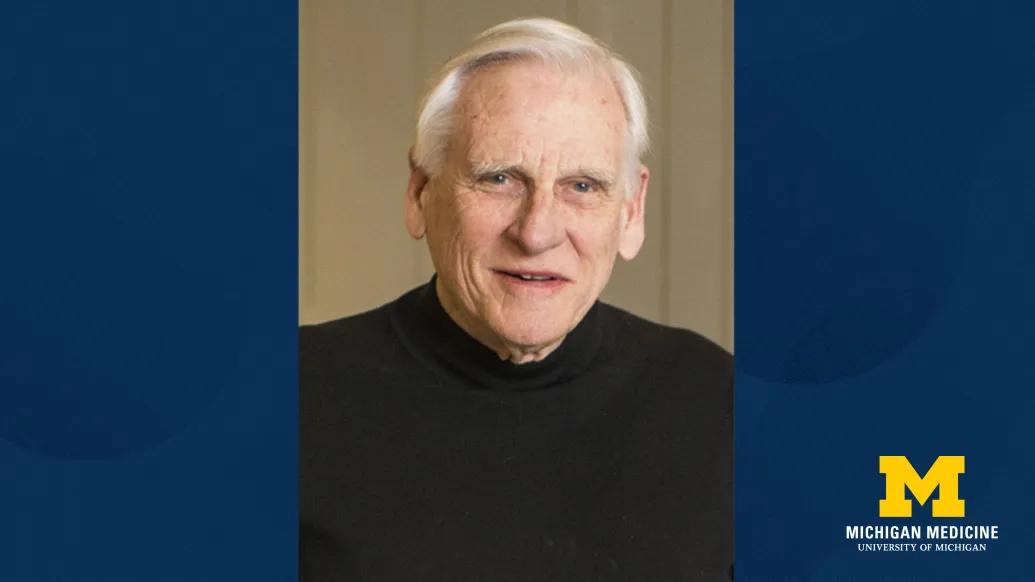
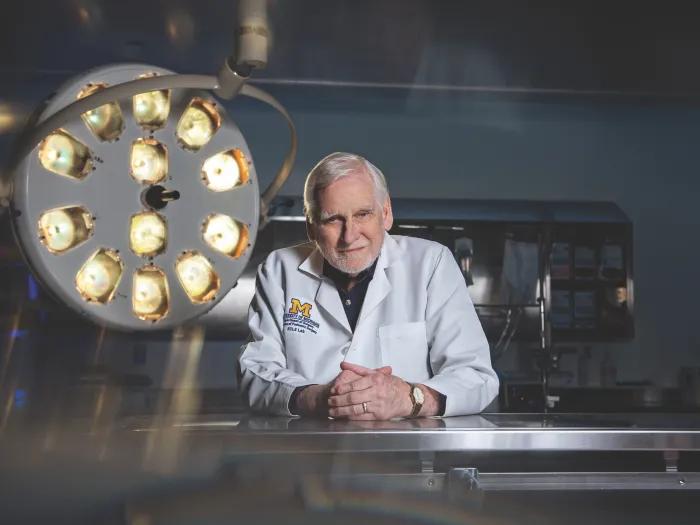
Robert H. Bartlett, M.D., an active emeritus surgeon at Michigan Medicine and professor at the University of Michigan Medical School, died on October 20, 2025 after a long illness. He was 86.
Bartlett was born where he spent much of his career, at University Hospital in Ann Arbor. The oldest of four children, medicine was in his blood: At the time of his birth, Bartlett’s father was a surgical resident at University of Michigan. His family moved to Akron, Ohio shortly after he was born, but he returned to Michigan for his undergraduate degree at Albion College and his medical degree at U-M, graduating cum laude in 1963.
Determined to become a surgeon too, he trained in general and thoracic surgery at what is now the Brigham and Women’s Hospital in Boston.
During that time, he also learned research techniques in an academic surgery training program at Harvard Medical School from 1966 to 1970. He joined the faculty at the University of California, Irvine School of Medicine in 1970, then moved to the University of Michigan in 1980.
While at UC Irvine, Bartlett continued research that others had begun in the 1960s, to develop extracorporeal membrane oxygenation (ECMO) technology for long-term heart and lung bypass to support failing organs.
The technology involves a complex circuit that pumps blood from the body and oxygenates it outside of the body, to allow the heart and lungs to rest and recover from damage or disease. Much of his early focus was on developing its use to treat newborns with underdeveloped or damaged hearts or lungs.
Bartlett led the team that first successfully used ECMO on a newborn in 1975 while at UC Irvine. The patient, known as Baby Esperanza, had suffered lung damage from meconium aspiration syndrome. After three days on the machine, she recovered and went on to live a healthy life.
After returning to the University of Michigan as a faculty member and acute care surgeon in 1980, Bartlett continued his research activities, further refining ECMO technology to expand its use in more types of patients, and exploring the potential for artificial organs and ways to prolong the viability of transplantable organs.
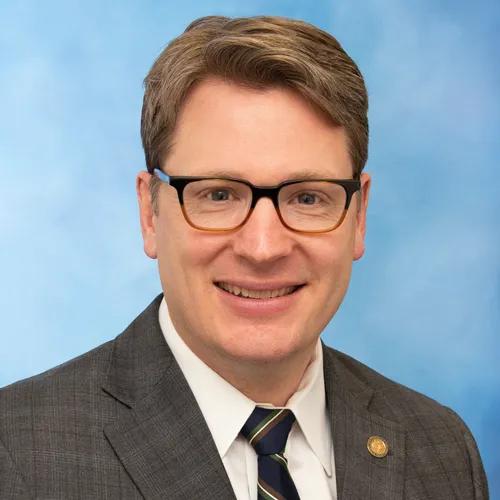
Justin B. Dimick, M.D., M.P.H., chair of the U-M Department of Surgery, reflected on Bartlett’s legacy.
“Dr. Bartlett was a beloved member of our faculty and will be deeply missed by all who knew him. There are two unique qualities Dr. Bartlett possessed. First, he never came across a subject he did not greet with great enthusiasm, whether medicine, science, music, or literature. Second, he never came across a student, or trainee, that he did not find worthy of inspiration. Dr. Bartlett’s legacy is not only pioneering ECMO, and all the years of life he gave generations, but also the future innovations of those he inspired through mentorship — the artificial lung, the artificial placenta. We will miss Dr. Bartlett’s large scientific contributions to the department, and medicine broadly, but we will also miss the small magic moments of running into his energetic, animated self in the hallways of Michigan Medicine,” said Dimick, who is the Frederick A. Coller Distinguished Professor of Surgery.
ECMO’s impact
After growing in use in infants, children and adults in the 1990s and 2000s, ECMO gained wider public recognition and renewed importance when the COVID-19 pandemic struck in early 2020. Patients in intensive care units worldwide with acute respiratory distress caused by the novel coronavirus were placed on ECMO, with more than 17,000 recorded to date.
An international registry of ECMO cases shows that overall, more than 261,000 critically ill patients have been placed on ECMO support, and that around 800 hospitals in 66 countries now offer the option.
About 54% of patients placed on ECMO survive to leave the hospital; without it, all would have almost certainly died.
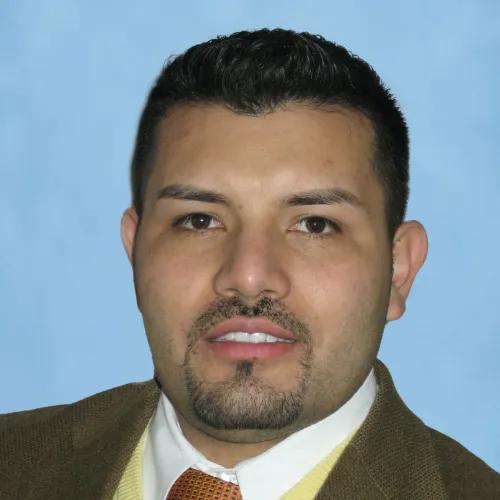
For more than 50 years, Bartlett and his team won funding from the National Institutes of Health to support research on ECMO care and advanced life support technology. He published nearly 600 papers over his career, and was an inventor on multiple patents, the most recent granted earlier this year. His leadership led to the development of U-M’s Extracorporeal Life Support (ECLS) lab, now directed by Alvaro Rojas-Pena, M.D.
“He guided generations of trainees and colleagues with wisdom, patience, and kindness, always leading by example and optimism. Beyond his remarkable achievements, it was his humanity that left the greatest mark — the way he listened, encouraged, and believed in others. He taught us not only how to be better professionals, but better people,” Rojas-Pena said.
As ECMO use expanded, Bartlett helped launch the Extracorporeal Life Support Organization (ELSO) to provide support to those delivering extracorporeal life support through continuing education, guidelines, original research, publications, and a comprehensive registry of ECMO patient data.
“Dr. Bartlett is best described as relentlessly curious and optimistic. This is how he changed the world. Our work will carry on in the spirit in which Dr. Bartlett founded the organization: welcoming and encouraging to all, fostering collaboration from everyone interested, using data to improve patient care and innovation, and bringing tenacity to our efforts to advance ECLS,” said Christine Stead, CEO of ELSO.
At U-M, Bartlett served in numerous leadership positions, including chief of the Division of General Surgery, director of the Surgical Intensive Care Unit, director of graduate education in surgery, and chief of the Trauma/Critical Care Division. As a professor in the General and Thoracic Surgery sections, he established a surgical critical care fellowship.
Under his guidance, the ECMO program at U-M Health evolved to provide care not only at U-M hospitals, but during airborne transfers of critically ill patients from other hospitals through U-M’s Survival Flight air ambulance service.
Bartlett received numerous awards and accolades in recognition of his work, including being elected to the National Academy of Medicine in 2003, being elected a fellow of the American College of Surgeons, and being named a fellow of the National Academy of Inventors in 2024, the highest professional distinction awarded solely to inventors.
When asked for a quote to accompany a photo of him recently, Bartlett was instructed to keep it brief, even though his career had been anything but.
“Surgeon scientists solve big, clinical problems,” he responded.
Bartlett’s legacy lives on through the patients he helped save and the work that continues to advance science in service of future patients. He was also involved in efforts to translate life support research to the marketplace, including founding a company, MC3 Cardiopulmonary, that was acquired by Medtronic in 2024, and serving for a time as medical director for CytoSorbents Corporation.
In addition to his medical career, Bartlett was a devoted hockey fan, author of two novels, and a longtime musician, playing the euphonium and double bass. As a medical student, he lent his talents to converting a raucous annual student roast of the faculty into a musical parody showcase – a tradition that continues today. Later, he was a founding member of the Life Sciences Orchestra for U-M’s medical and life sciences community, and a longtime member of Ann Arbor’s community band, the Ann Arbor Civic Band.
Bartlett was preceded in death by his parents, Dr. Robert M. Bartlett and Elizabeth Bartlett, and his sister, Jeannie Bonnell. He is survived by his beloved wife, Wanda Bartlett; his sons, Karl Bartlett and Keith Bartlett, and his daughter, Karen (Joe) Fischer; his brother, Bruce Bartlett (Genevieve Bartlett); his sister, Beth Bartlett (Dave Winchester); his brother-in-law, Dick Bonnell; his grandchildren, Sam, Helen, and Jason Bartlett and Samantha Fischer; and many nieces and nephews and grand nieces and nephews.
Donations in his honor can be made to the following organizations:
Robert H. Bartlett Extracorporeal Life Support Laboratory: https://giving.umich.edu/basket/fund/313437
University of Michigan Men’s Glee Club: https://giving.umich.edu/basket/fund/362611
University Musical Society: https://ums.org/support/individual-giving/
Media Contact

Public Relations
Department of Communication at Michigan Medicine
In This Story
Justin B Dimick, MD, MPH
Professor
Alvaro Rojas-Peña, MD
Research Associate Professor
Related
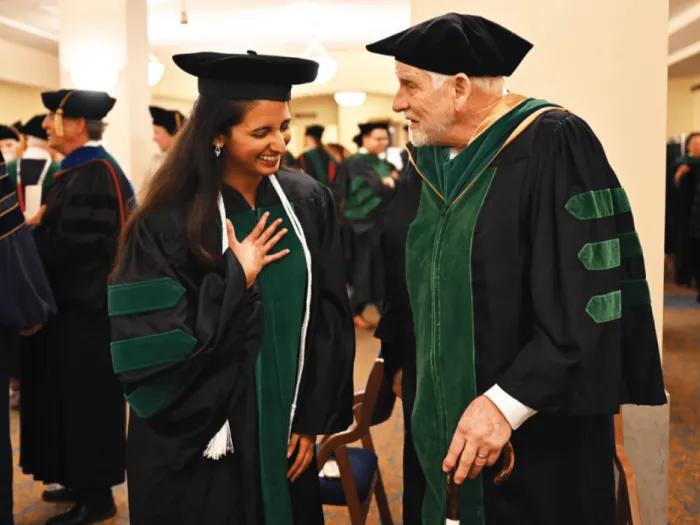
Medical School graduate marks another milestone with the ECMO legend who helped save her life
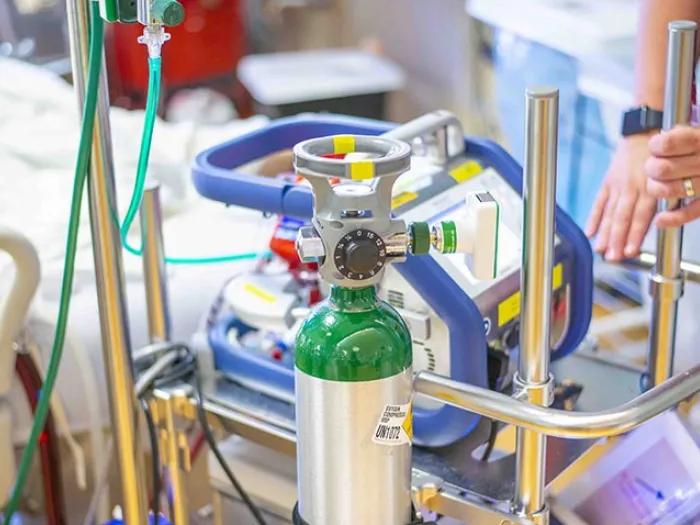
ECMO offers sickest COVID patients a chance to survive, but a slimmer one than previously thought
Featured News & Stories
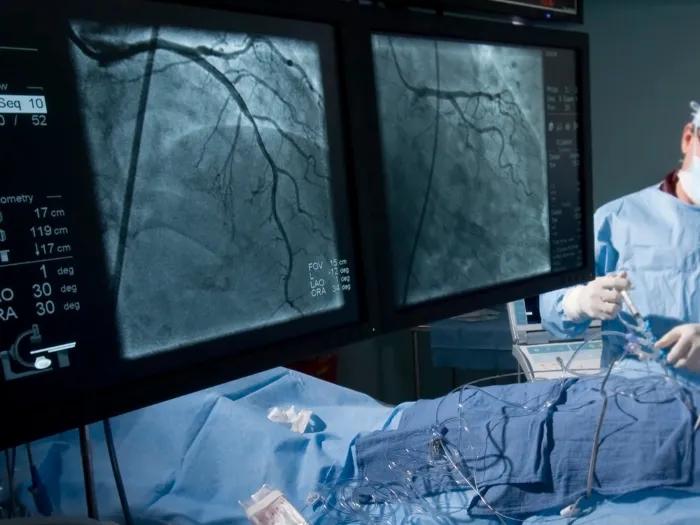
Researchers find significant differences in care of life threatening shock after heart attack
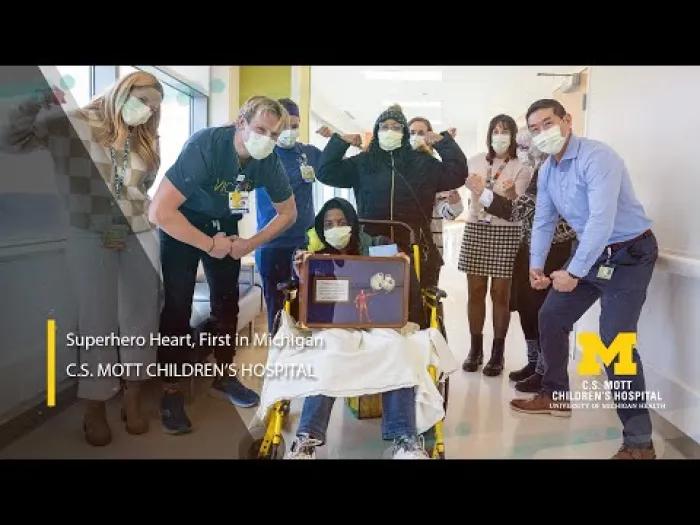
10-year-old becomes first child to receive total artificial heart in Michigan
The things you didn’t know about the “father” of ECMO
Complex procedure saves man on life support, reverses organ failure
10-year-old “Swiftie” makes progress after septic shock